
Drainage System Installation
- Home
- Drainage Solutions in Northeast Ohio
Subsurface Drainage & Erosion Control
Unmanaged water is the single greatest threat to the longevity and beauty of your estate. While Northeast Ohio’s heavy clay soil and significant annual rainfall are inevitable environmental factors,
standing water and erosion should never compromise your property.
Water naturally follows the path of least resistance—which often leads directly toward foundations, across luxury patios, or into low-lying turf. Left unaddressed, this relentless hydrostatic pressure can cause catastrophic damage to both your hardscapes and the architecture of your home.
We engineer comprehensive water management systems designed to manipulate gravity and soil physics in your favor. By strategically integrating French drains, catch basins, and precision regrading, we permanently capture and redirect surface and subsurface water away from your most valuable assets.
At Bee Green Outdoor Living, we diagnose issues and install advanced drainage systems across Greater Cleveland, Akron, Medina, and the surrounding communities.
We believe proper water management is the invisible foundation of any enduring landscape. Whether we are retrofitting a solution for an existing yard or seamlessly integrating channel drains and weep holes into a new hardscape build, our engineered systems protect your property from the ground up—ensuring drainage is never an afterthought.
Drainage Systems We Install
From perimeter foundation drains to patio catch basins and driveway channel drains, we design and install every drainage system type used in residential landscaping — built for Northeast Ohio’s clay soil and high annual rainfall.
Choose the right system for your property
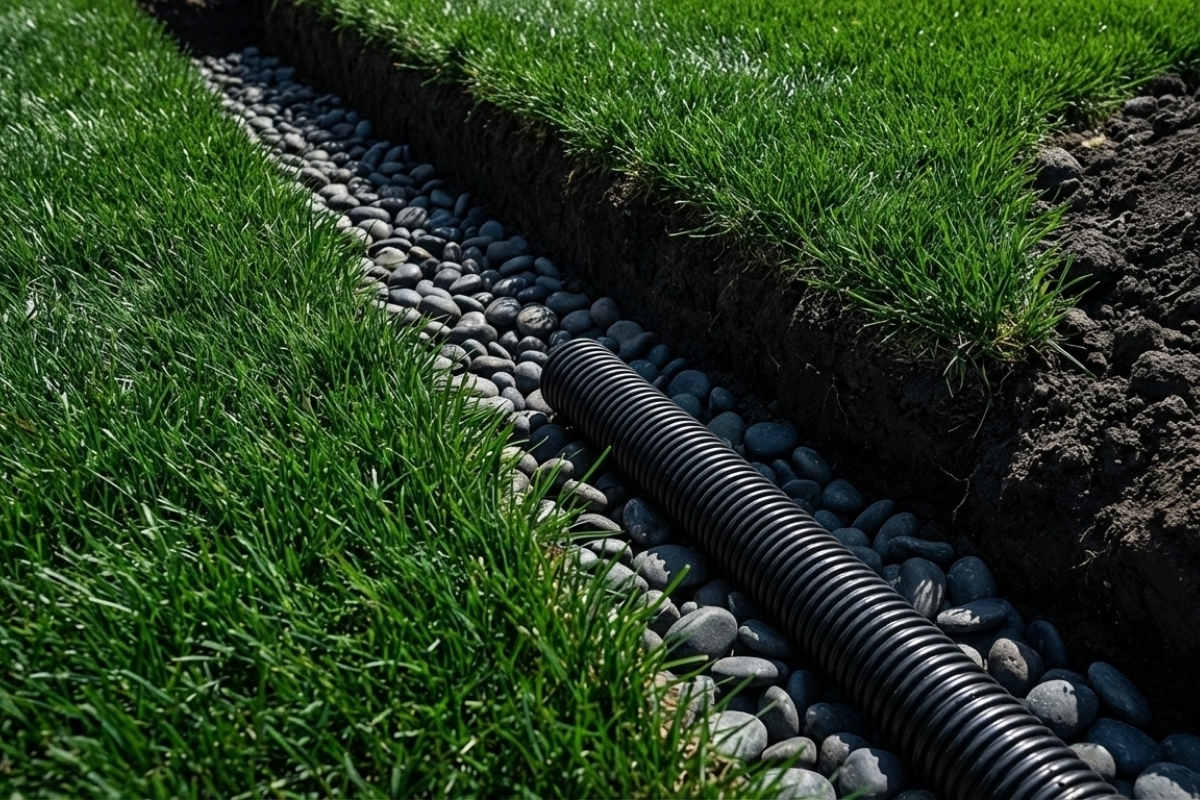
French Drains
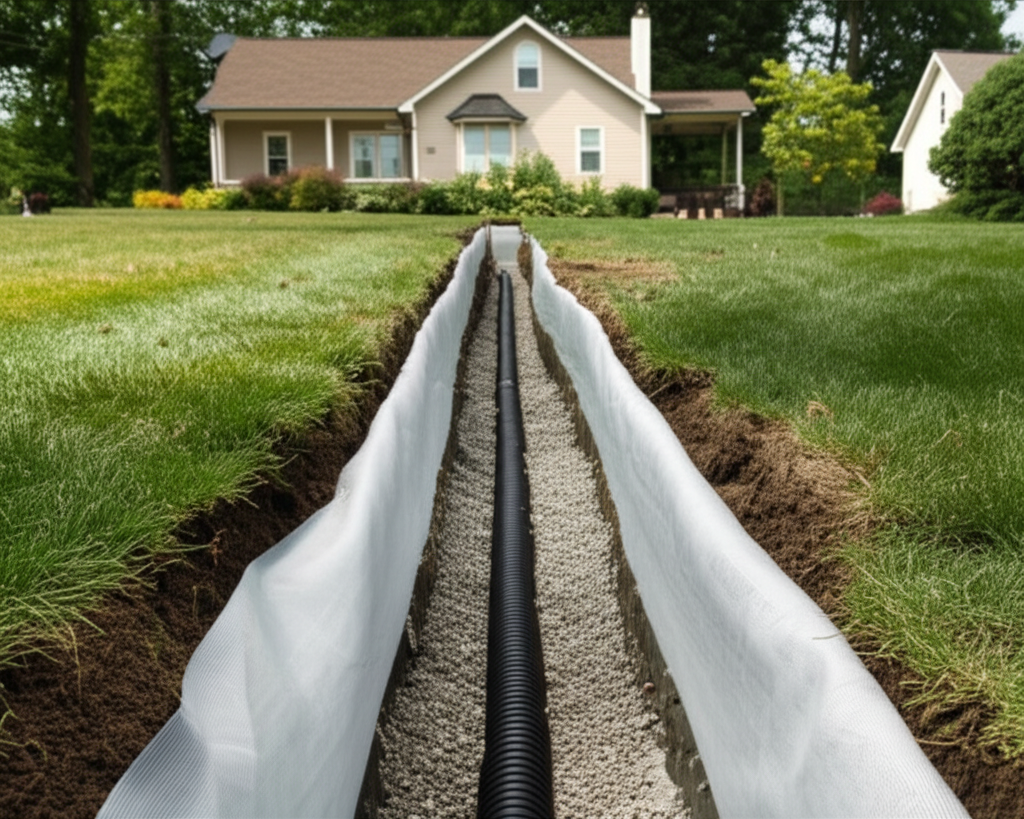
A gravel-filled trench with perforated pipe wrapped in filter fabric. Water enters through the gravel, flows into the pipe, and is carried by gravity to a storm sewer, dry well, or daylight outlet at a lower elevation.
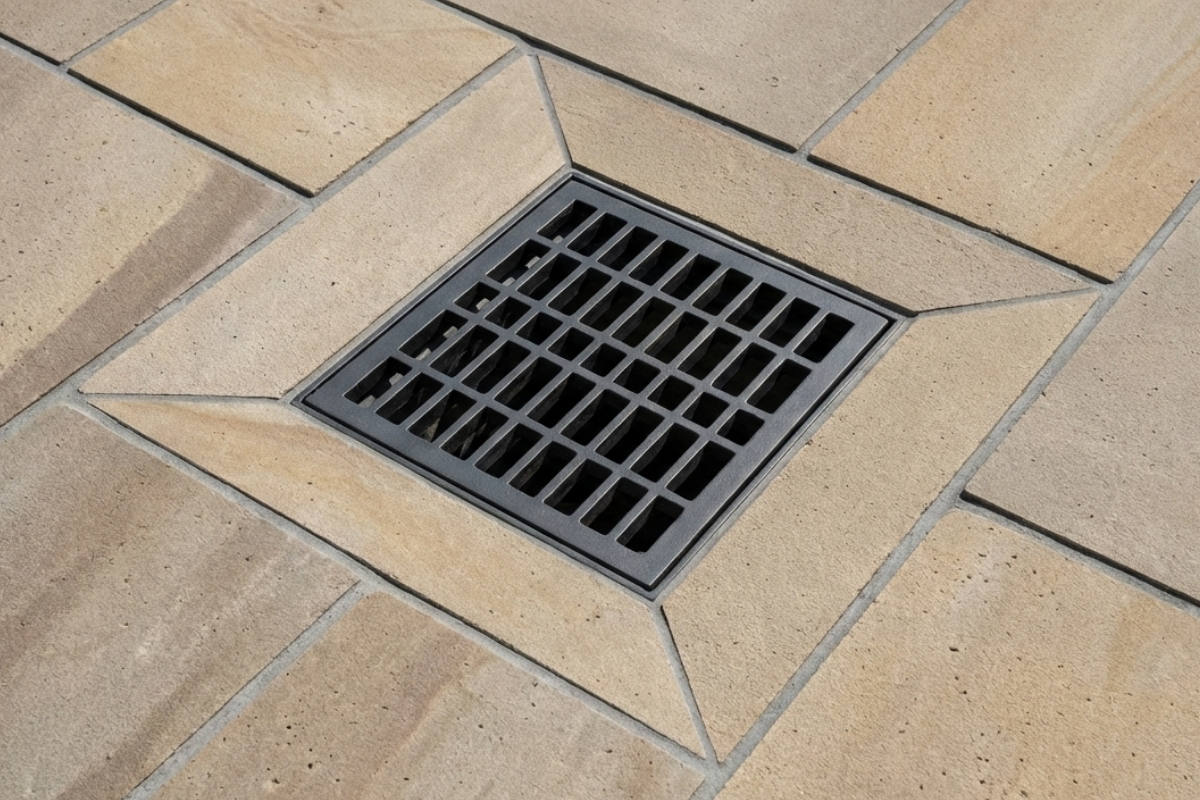
Catch Basins
Underground collection chambers with grated inlets that capture surface water runoff. We install round and square basins in patios, driveways, and low lawn areas where water pools visibly after rain.
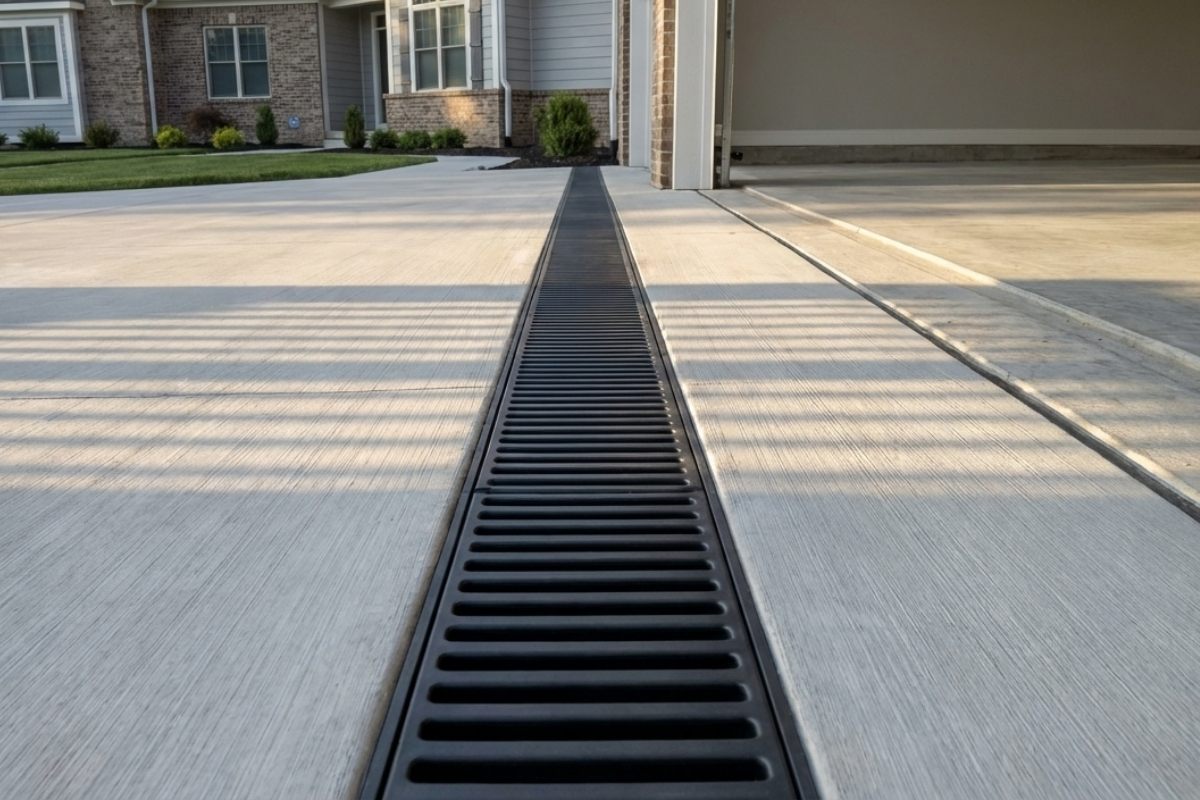
Channel Drains
Linear trench drains installed flush with patio, driveway, and pool deck surfaces. Polymer concrete and HDPE systems available with cast iron, stainless, galvanized, or decorative bronze grate options.
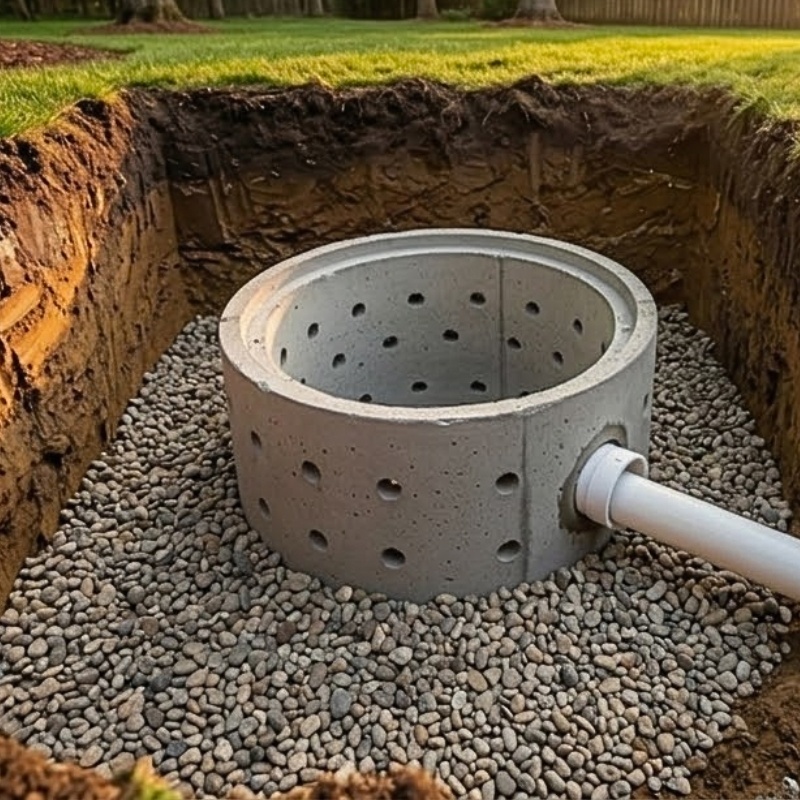
Dry Wells
Perforated underground chambers that collect drainage water and allow it to slowly infiltrate surrounding soil through holes in the structure. Sized to your site’s clay soil absorptive capacity — not generic charts.
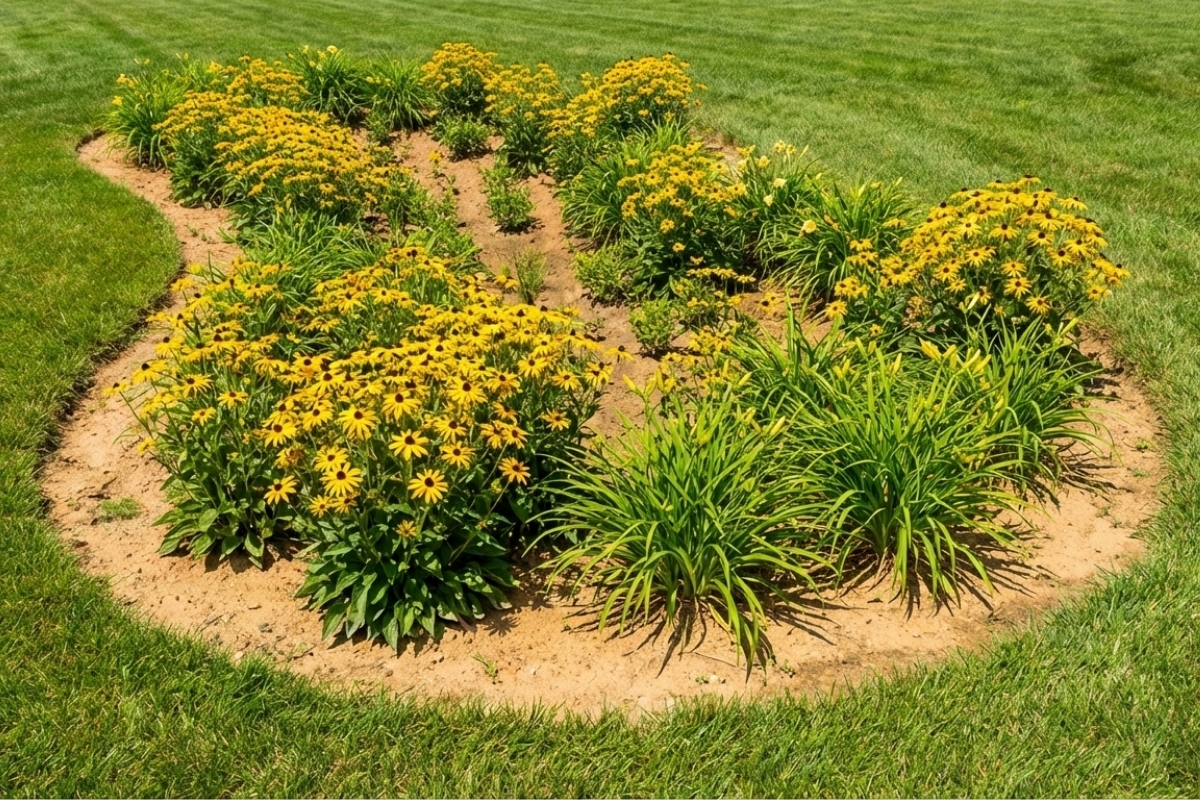
Regrading & Surface Drainage
We correct yard grades and rebuild swales to achieve a minimum 2% slope away from the foundation. Often the most cost-effective fix — sometimes the only step needed to solve 90% of a property’s water problems.
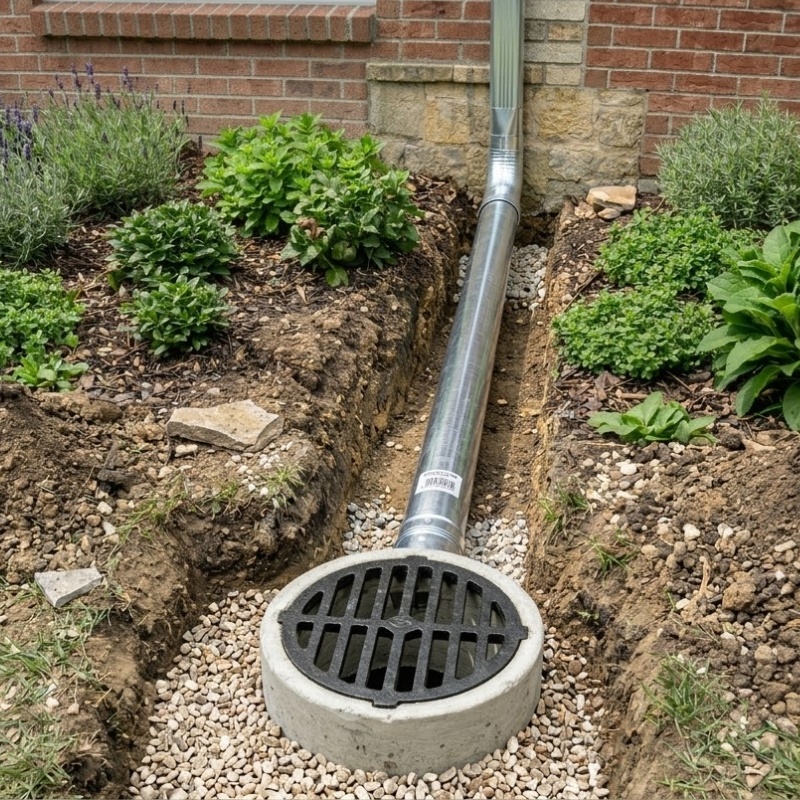
Downspout Extensions
Underground solid pipe routes roof runoff at least 10 feet from the foundation and discharges at grade. Your 2,000 sq ft roof collects nearly 48,000 gallons per year — it needs somewhere safe to go.
Why Northeast Ohio Has a Drainage Problem
Three factors combine to make Northeast Ohio uniquely difficult for drainage. Clay soil — the dominant soil type across our service area — absorbs water slowly, swells when wet, and builds hydrostatic pressure against foundation walls. Flat terrain gives surface water nowhere to go. And downspouts discharging at the foundation deposit tens of thousands of gallons per year directly against the most vulnerable part of your home.
Ohio's Perfect Storm for Water Problems
Clay is the dominant soil type across our service area. It absorbs water slowly, retains it, and expands when saturated. When temperatures drop and water freezes, clay expands further, which can worsen drainage and soil movement issues. Pressed against a foundation wall, saturated clay creates hydrostatic pressure that forces water into any crack, joint, or opening in the concrete.
Many Cleveland-area homes have nearly flat yards with little positive drainage gradient. Couple that with roof runoff from downspouts discharging directly at the foundation — often the single largest source of foundation water — and drainage problems are almost inevitable.
Our drainage construction standard
- Minimum 1% grade (1/8" per foot) toward discharge point
- 4-inch HDPE or rigid PVC pipe — never thin-wall flexible tubing
- Non-woven geotextile filter fabric wrapping the entire gravel column
- Clean washed 57-stone or pea gravel — no fines
- Discharge minimum 10 feet from the foundation at storm sewer or daylight
Clay Soil Saturation
Ohio clay absorbs slowly and retains water, building hydrostatic pressure against your foundation after every significant storm. Most wet basement problems trace back to clay saturation.
Foundation Water Intrusion
Saturated clay presses water into any crack, joint, or opening in concrete. Exterior drainage relieves hydrostatic pressure before it reaches your walls and basement floor.
Downspout Overload
A 2,000 sq ft roof collects nearly 48,000 gallons annually. Downspouts discharging at the foundation concentrate all that water exactly where it causes the most damage.
Drainage Materials & Components We Use
HDPE & PVC Drainage Pipe
We use 4-inch corrugated perforated HDPE for flexible routing and 4-inch rigid PVC schedule 35 or 40 where precise, consistent grade is required. We never install thin-wall flexible tubing for perimeter or foundation drains — it crushes, collapses, and silts up within a few years.
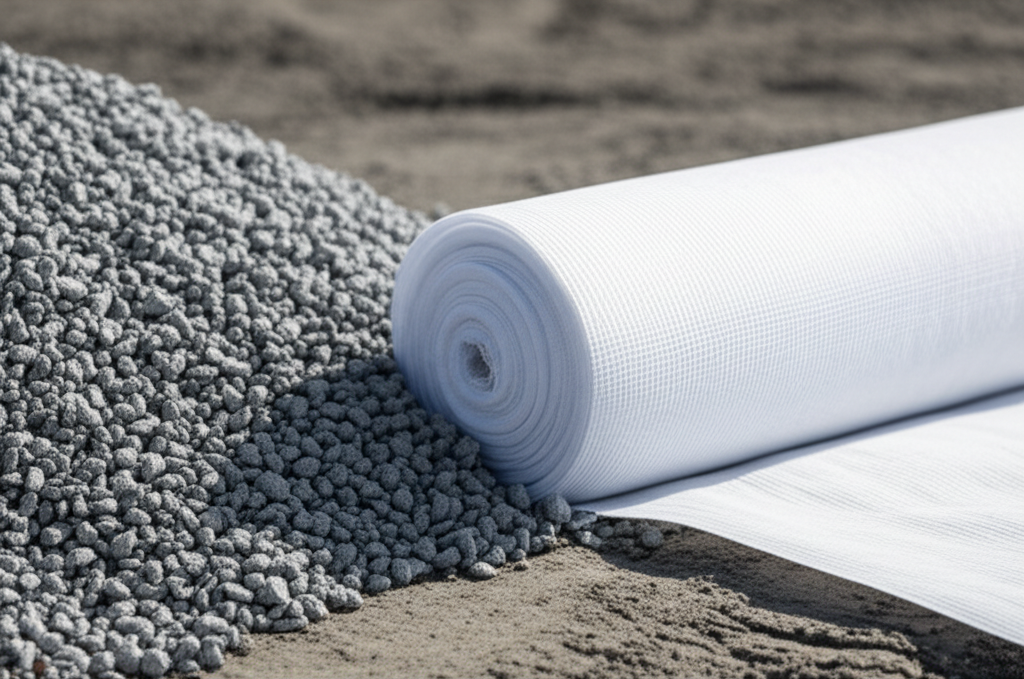
Clean Washed Gravel & Filter Fabric
French drains are filled with clean washed 57-stone or pea gravel — stone with no fines that allows rapid water movement through the gravel column. The entire gravel mass is wrapped in non-woven geotextile filter fabric to keep Ohio’s clay soil out of the drain indefinitely.
Catch Basin Systems
We install round and square precast concrete catch basins with removable grates and adequate sump depth for cleanout. Basins are connected with solid HDPE or PVC pipe to the discharge point — storm sewer connection, dry well, or daylight outlet. Grates must be cleaned periodically to maintain capacity.
Channel Drain Systems
Polymer concrete and HDPE channel drain bodies installed flush with patio, driveway, or pool deck surfaces. Available in NDS, ACO, and MEA systems with cast iron, stainless steel, galvanized, or decorative bronze grates to match any application and aesthetic requirement.
Our Drainage Solutions Process
Phase 1
We walk the property — before and after rainfall when possible. We observe where water actually runs, not where it might, then examine foundation stains, window well condition, downspout discharge points, low spots, and overall grade across the entire property.
Phase 2
Most properties have one to three significant water problems, not ten. We identify causes, not just effects — improperly sloped ground, faulty downspout drainage, and blocked foundation drains are the three most common contributors to wet basements.
We explain what we find in plain language so you understand exactly why water is entering your space before we propose any solution.
Phase 3
We recommend the minimum effective solution. Regrading and extending two downspouts often solves 90% of water issues for half the cost of a full French drain system. We will always advise the most cost-effective path.
If a French drain is required, we provide detailed information on pipe size, grade, routing, and discharge to a specific point — with a full itemized estimate.
Phase 4
We excavate, install pipe and basins, fill with clean washed gravel, and test the system with water before backfilling. Affected turf is repaired with sod or seed to match the existing lawn. Disturbed hardscape is matched to existing materials.
Phase 5
We run water through the completed system to verify flow rates, discharge function, and surface drainage slope before final backfill. After confirming proper performance, we complete all surface restoration — lawn, hardscape, or plantings as the project requires.
Drainage Solutions and the Larger Outdoor Living Picture
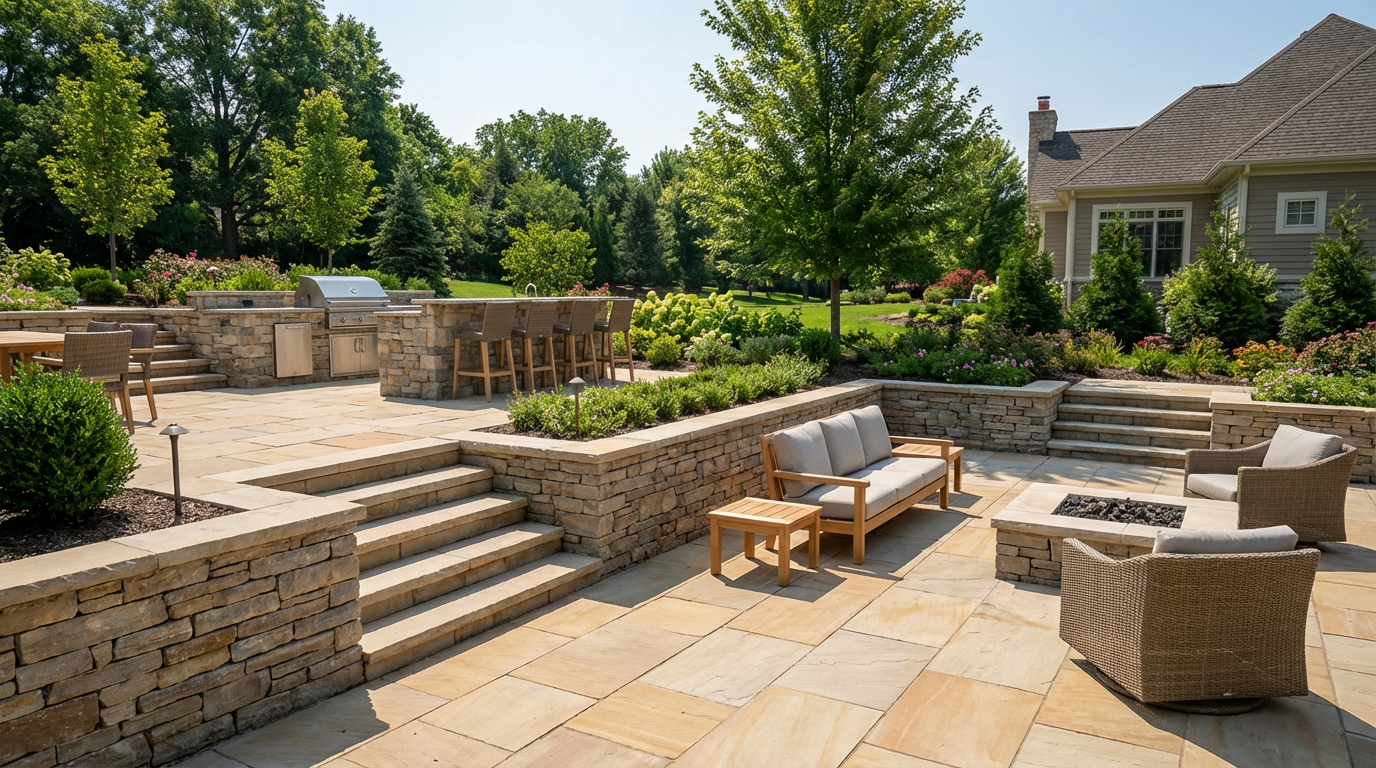
Patio Installation
Every patio needs proper pitch and subsurface drainage to prevent pooling. We design both systems together so water moves away from your living space from day one.
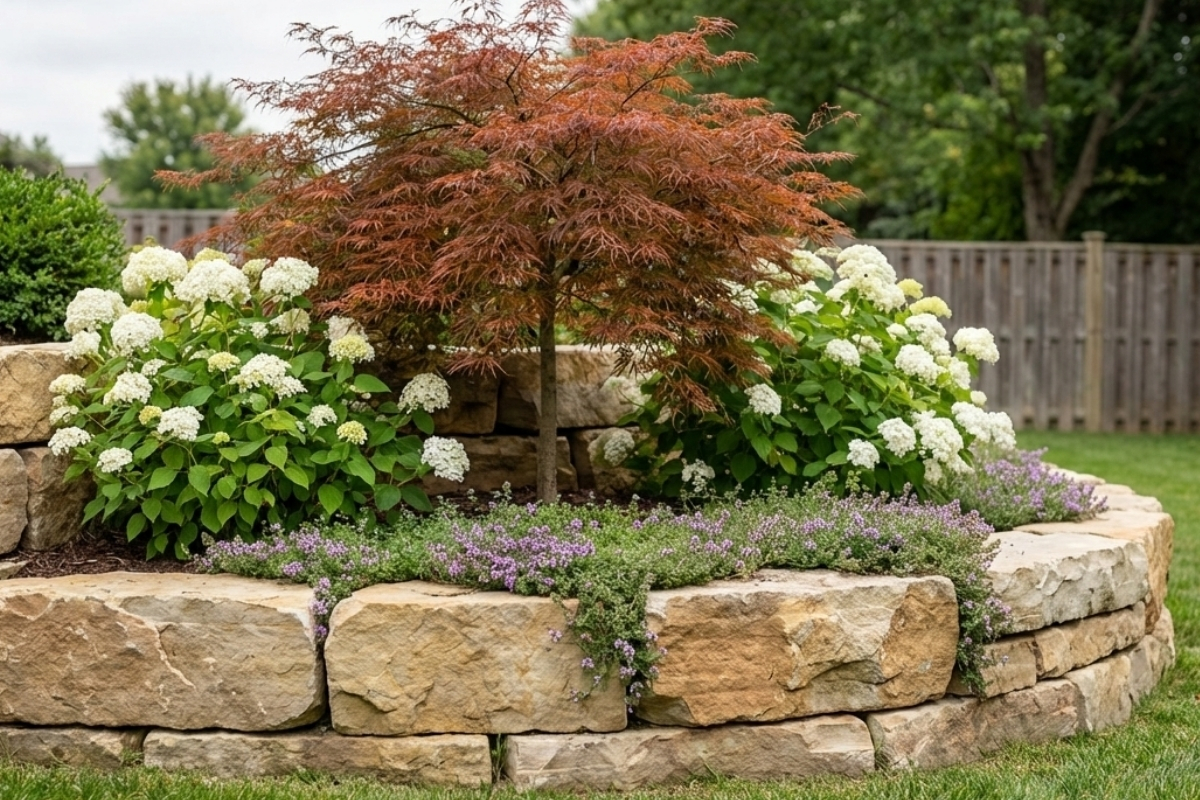
Retaining Walls
Retaining walls redirect runoff and create graded channels that work with your drainage system. We install weep holes and drainage aggregate behind every wall we build.
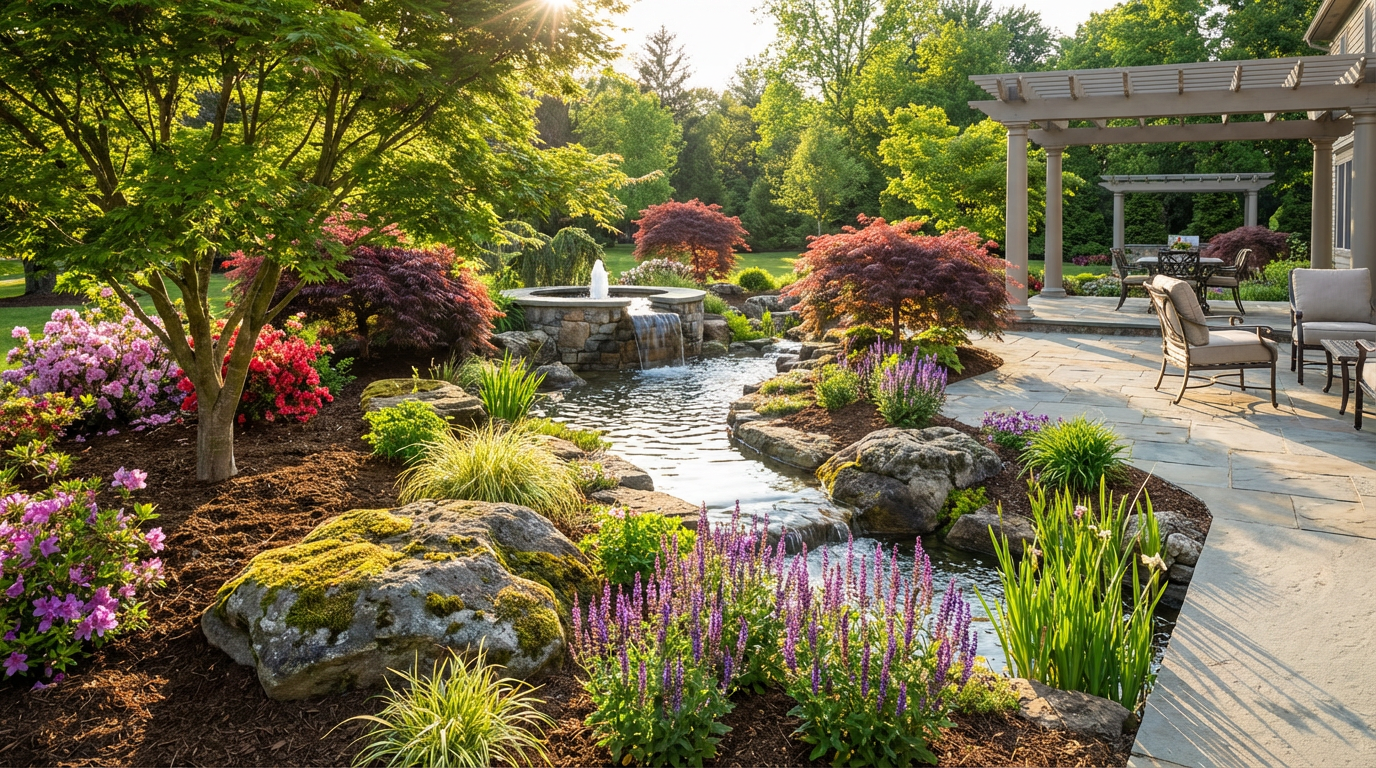
Landscaping
Grading, swales, and rain gardens turn drainage challenges into landscape features. We shape the terrain so water flows where it should — and plants thrive where they’re planted.
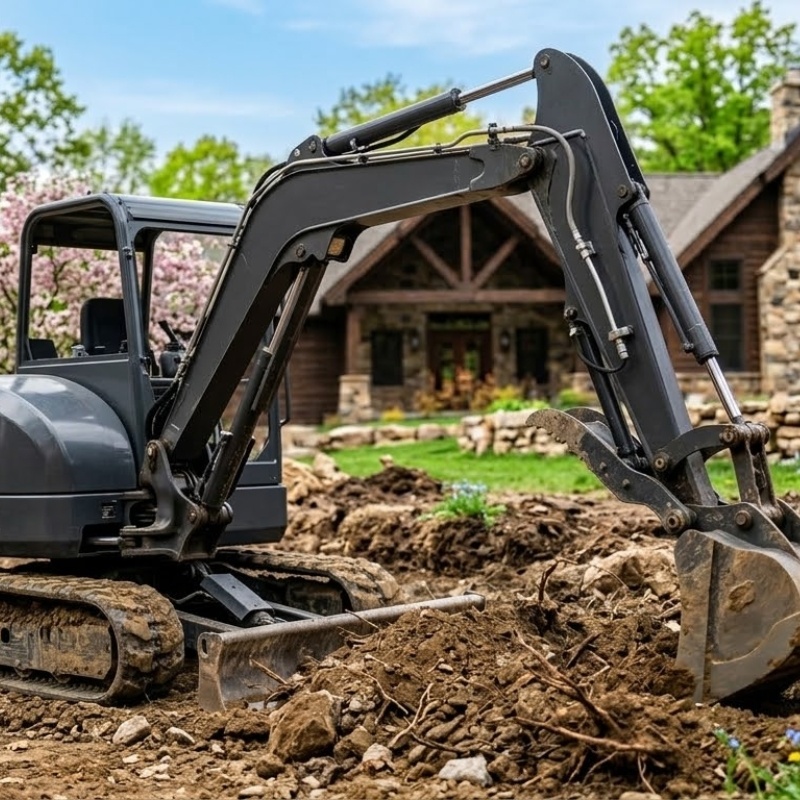
Excavation Services
Proper drainage starts with proper excavation. We trench French drains, dig retention basins, and regrade slopes so every drainage solution has the foundation it needs.
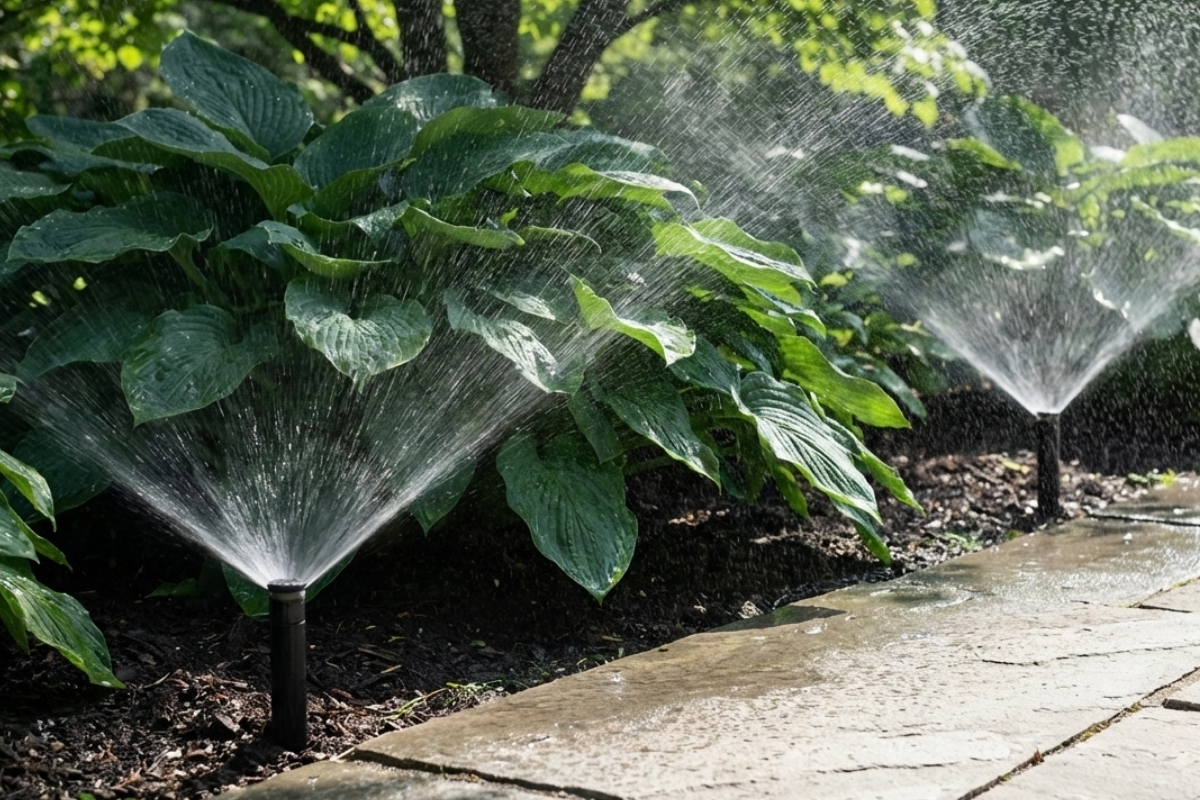
Irrigation Systems
Irrigation and drainage are two sides of the same system. We coordinate pipe runs and valve placement so your irrigation feeds the lawn while your drainage protects the hardscape.
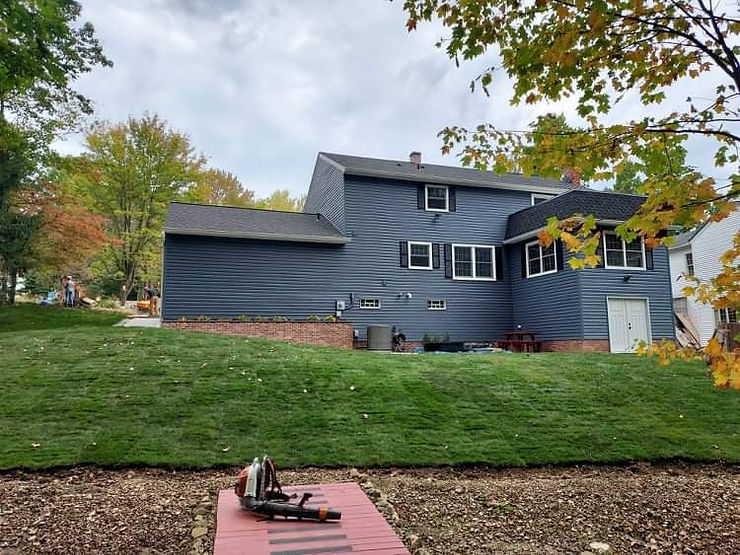
Sod Installation
New sod needs balanced moisture — too much water kills turf as fast as too little. We grade and drain the subsoil before laying sod so your lawn establishes evenly.
Areas We Serve
This map highlights many of the communities where we regularly work. If you don’t see your area listed, give us a call — we’d love to discuss your project.
Frequently Asked Questions
A single residential French drain typically costs $25–$50 per linear foot, depending on trench depth, site access, pipe type, and discharge method.
A 50-foot perimeter foundation drain runs $2,000–$4,000. A full yard system with multiple drains, catch basins, and a dry well ranges from $5,000–$15,000.
We provide a full itemized estimate after evaluating your property — no guesswork estimates over the phone.
Common signs include: standing water in the yard more than 24 hours after rain, water stains on basement walls, dampness or water on the basement floor, erosion channels across the yard, and persistently soggy areas that never fully dry.
If you notice any of these consistently, a drainage evaluation is worth scheduling. We offer free site assessments across Northeast Ohio.
It depends on the source. Water intrusion from soil saturation and hydrostatic pressure against the outside of the foundation can usually be corrected with an exterior French drain or perimeter drain.
Water from a high water table or interior slab cracks is often better addressed with an interior drainage system and sump pump. We identify the root cause before recommending a solution — sometimes both an exterior and interior approach are needed.
A properly installed French drain with quality HDPE or PVC pipe, clean washed 57-stone, and non-woven geotextile filter fabric will last 20–30 years or longer.
Catch basins and solid pipe with adequate maintenance outlast the house. The most common French drain failure is soil intrusion through inferior filter fabric or root invasion — both preventable with proper materials and installation standards.
Drainage installation in Northeast Ohio generally runs from March through December, depending on frost depth and soil moisture. Frozen ground and saturated clay make excavation difficult and surface restoration impractical.
We prefer to schedule drainage work in spring through fall so lawn repair and sod installation can be completed properly alongside the drainage system.