
Irrigation System Installation
- Home
- Irrigation Systems in Northeast Ohio
Smart Irrigation & Water Management
A breathtaking landscape is a significant investment that demands consistent, precise hydration. While Northeast Ohio receives adequate annual rainfall, unpredictable summer dry spells can quickly threaten the health of premium sod, mature trees, and delicate garden beds.
A custom-engineered irrigation system completely eliminates the guesswork of property maintenance. By designing highly specific watering zones, we ensure your turf and plantings receive the exact amount of moisture they require—precisely when they need it—regardless of the weekly forecast.
To guarantee flawless performance, we integrate advanced Wi-Fi smart controllers into every installation. This allows your system to automatically adapt to real-time weather data, conserving water while keeping your estate vibrant, lush, and effortlessly maintained throughout the growing season.
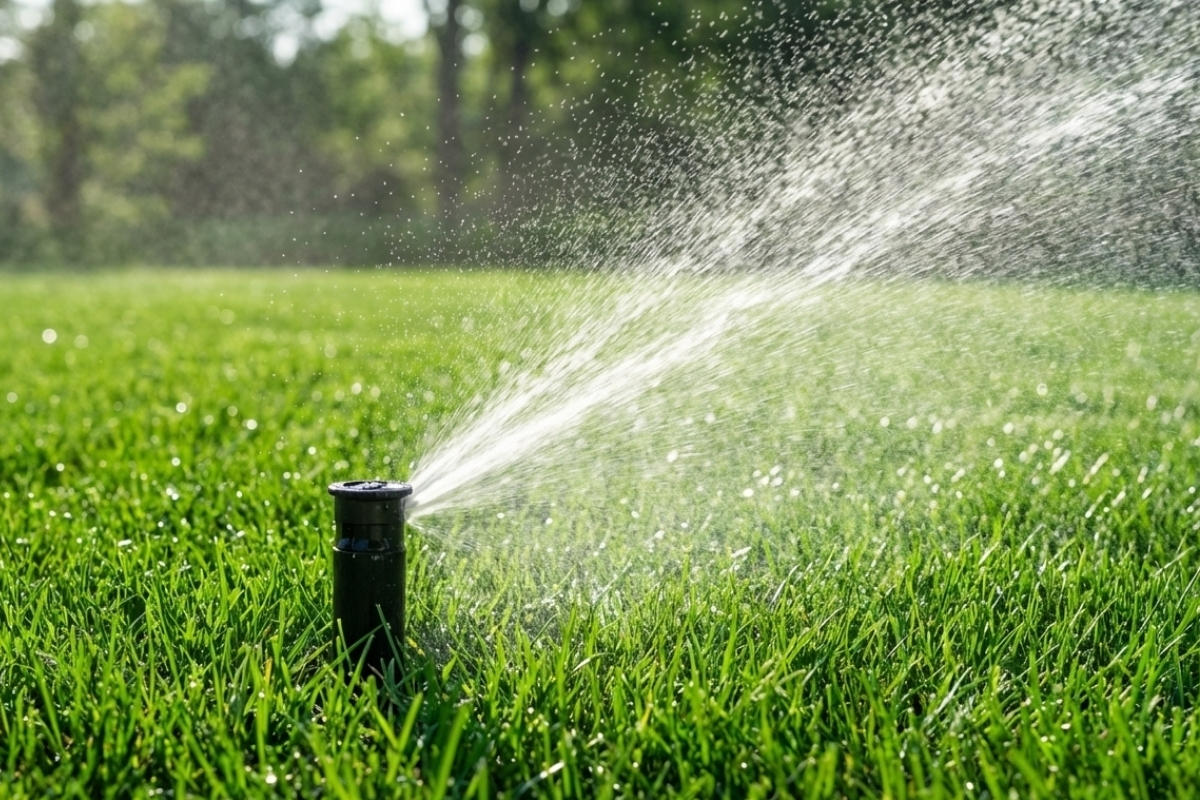
At Bee Green Outdoor Living, we design, install, and service premium irrigation systems across Greater Cleveland, Akron, Medina, and the surrounding communities.
We provide a completely turn-key approach to landscape hydration. From custom zone layouts and seamless pipe installation to backflow prevention and smart programming, we manage every detail. We also offer comprehensive annual maintenance, ensuring your system is perfectly coordinated with new plantings and fully winterized before the first hard freeze.
What Your Irrigation System Includes
System components
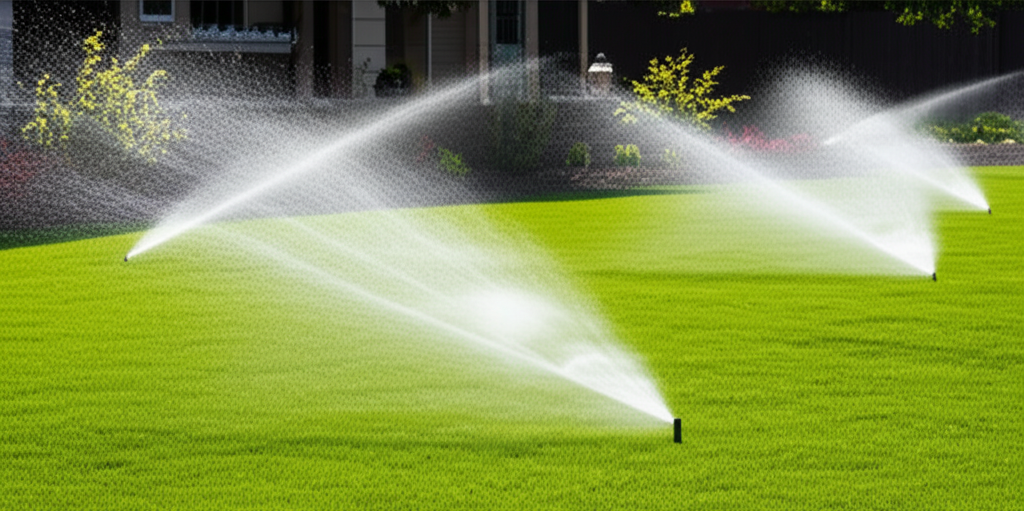
Sprinkler Zones
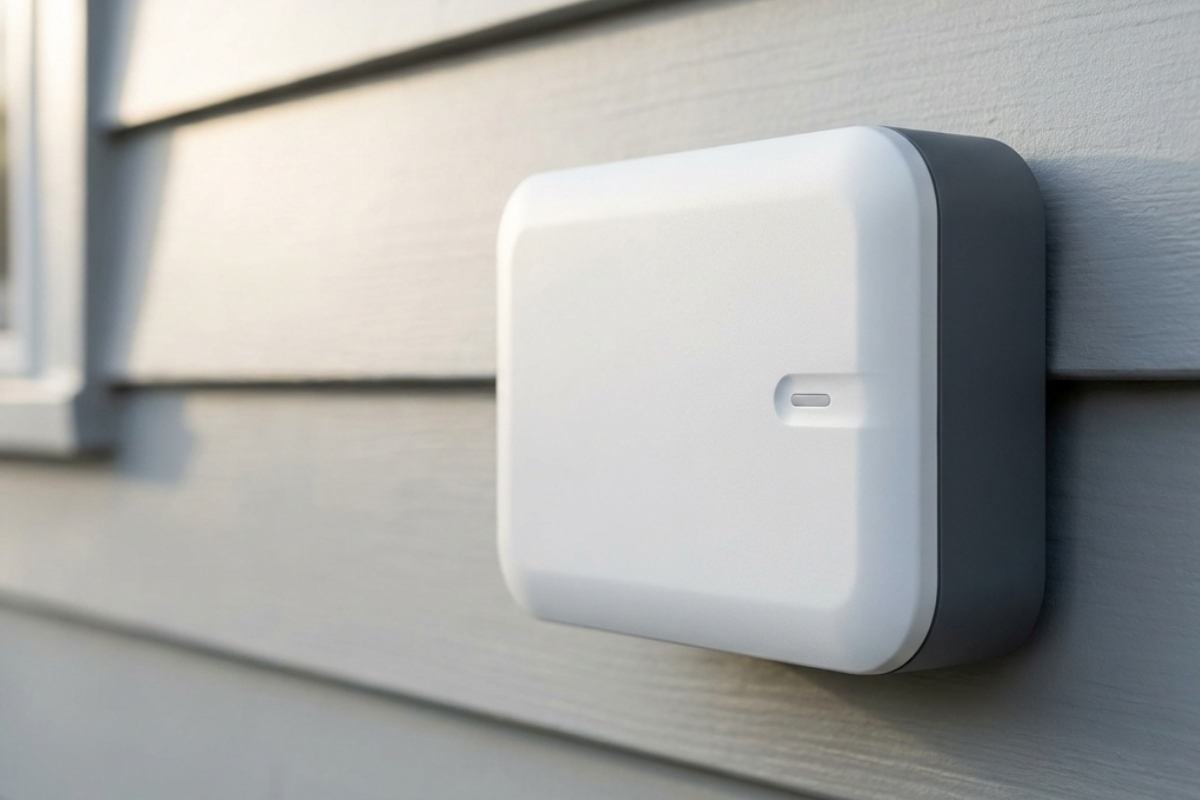
Smart Controllers
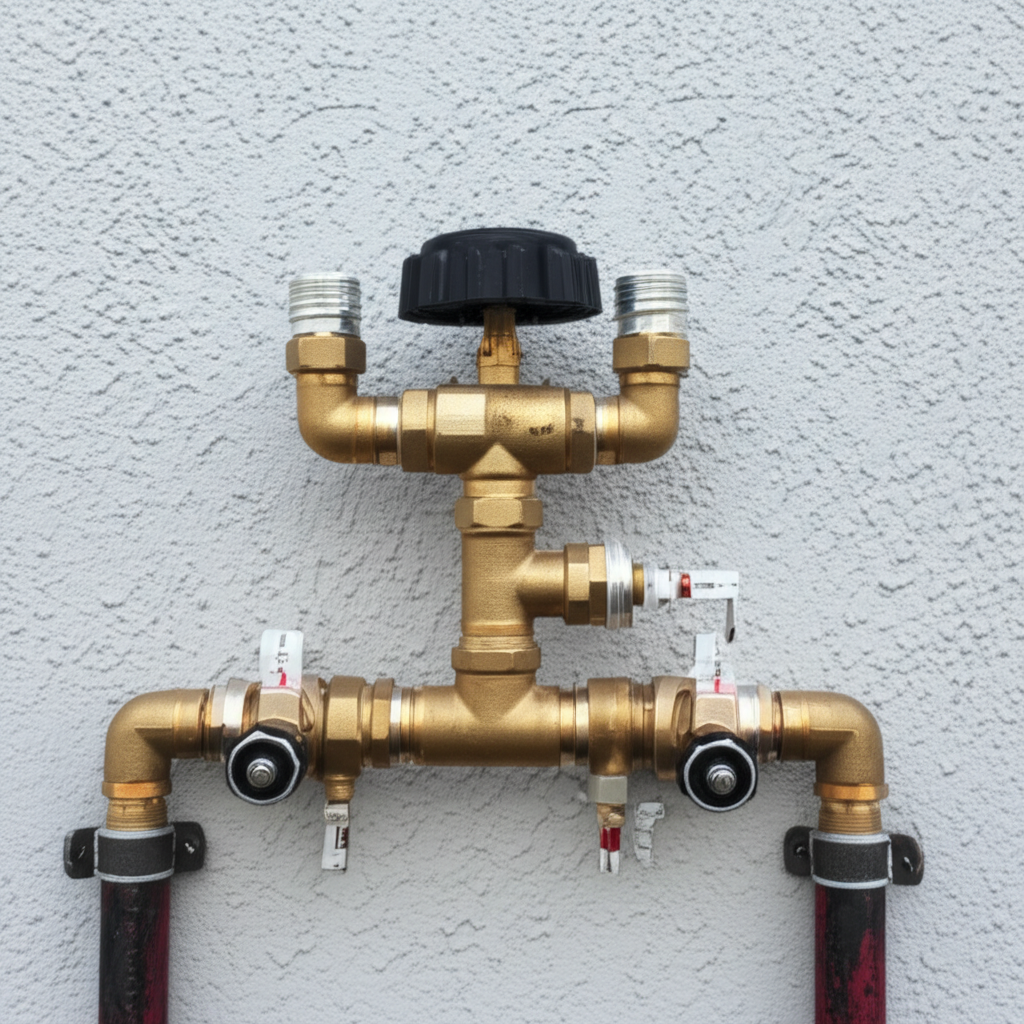
Backflow Prevention
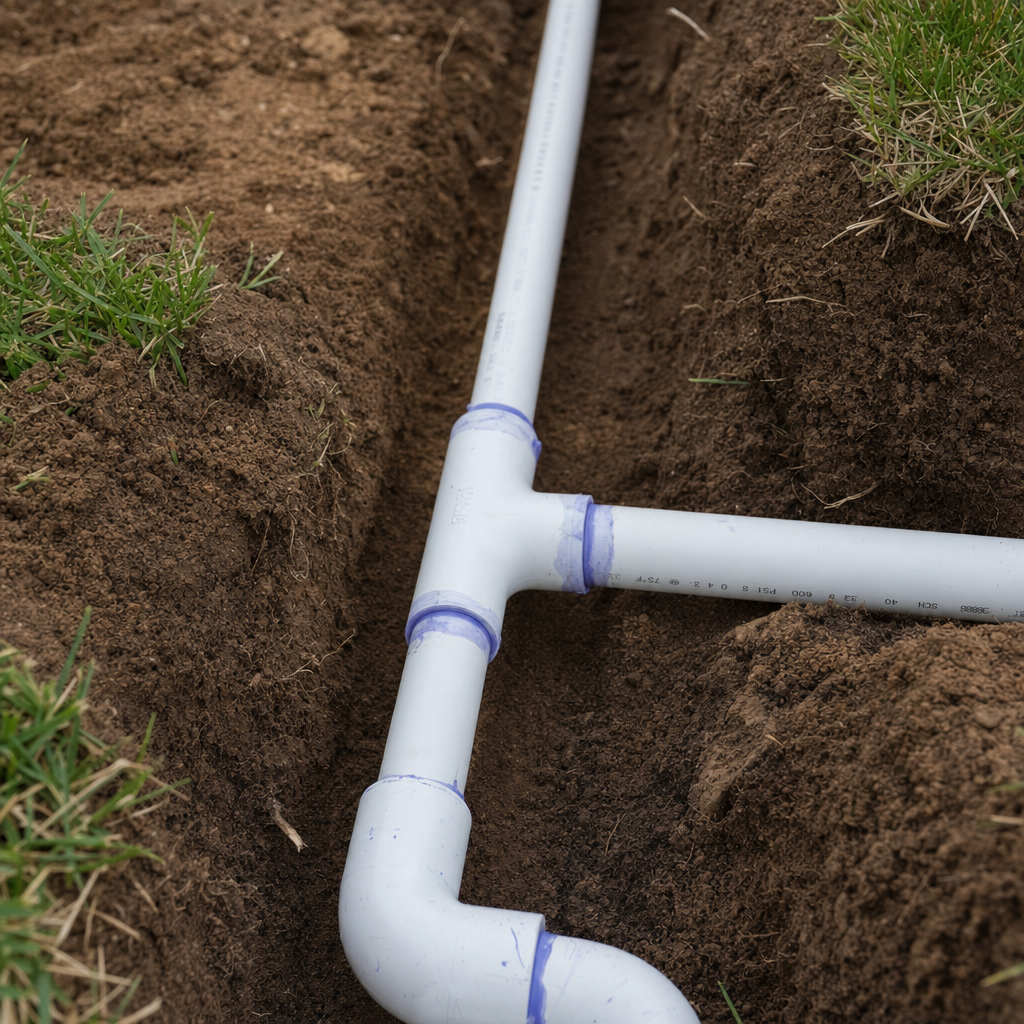
Pipe & Fittings
Irregular Rainfall Is the Problem. Automated Irrigation Is the Answer.
Northeast Ohio’s rainfall is genuinely unpredictable. July averages show stretches of three weeks or more without measurable rain — enough for new sod to brown, new shrubs to wilt at the roots, and established lawns to develop dry patches. When the drought breaks, it often breaks with heavy rain that compacted clay soil can’t absorb fast enough to reach plant roots.
Zone-based irrigation solves this by delivering the right amount of water to each part of your landscape on a consistent schedule — adjusted automatically for actual weather conditions, not guesswork.
Why Hand-Watering and Guessing Don't Work
A hose and a timer work for a small bed for a few weeks. For a yard with diverse zones — lawn, foundation plantings, a new sod area, drip beds — manual watering is inconsistent at best and damaging at worst.
You water when you remember, not when the soil needs it. You apply water to the entire yard when only one zone is dry. You have no way to know whether water is reaching the root zone or running off the surface. And you definitely can’t maintain a consistent schedule through July and August while managing everything else.
Our design standard
- Head-to-head coverage in all turf zones
- Precipitation rate calculated per zone in inches per hour
- Flexible swing joints on all sprinkler heads
- Direct-burial wire labeled at controller and valve box
Zone Independence
Each zone is controlled separately by the system controller. Lawn areas, garden beds, trees, and newly seeded sections each get their own watering schedule and duration.
What your lawn needs is not what your drip zones need. Separate control makes it possible to water correctly without compromising any area.
Smart Scheduling
Wi-Fi controllers connect to local weather data and skip watering cycles automatically when rain is forecast or has recently fallen.
You can also start, stop, or adjust any zone from your phone. Optional accessory: water meter to monitor flow and detect leaks (water flowing when system is off).
Annual Winterization
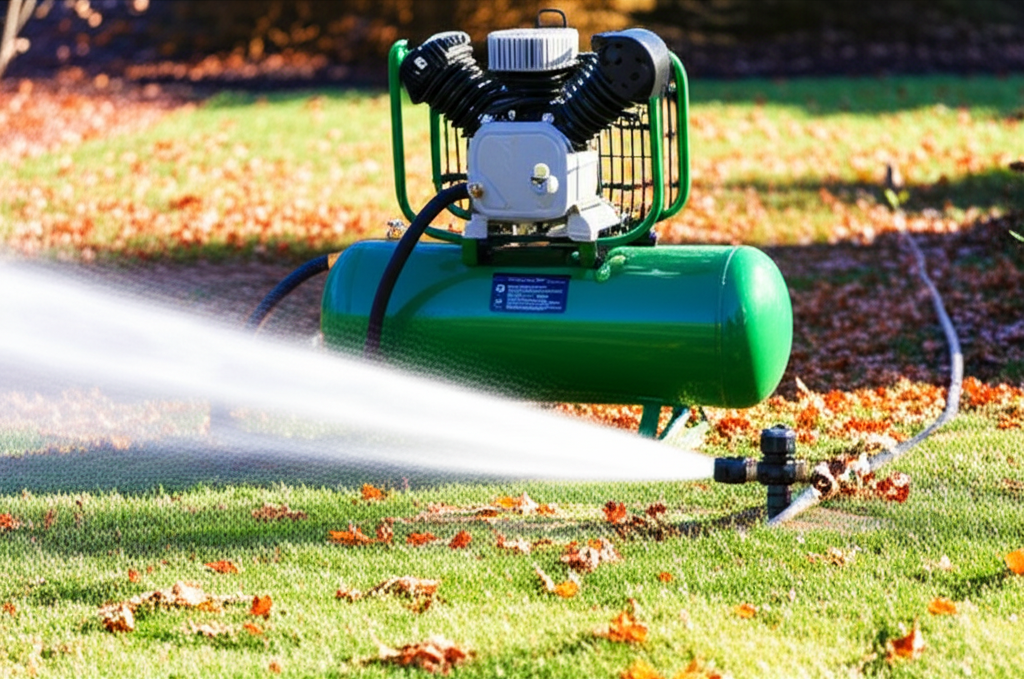
Water left in pipes, valves, and backflow preventers will freeze and expand. We offer a compressed-air blowout service each fall, typically mid-October through early November, that purges every zone individually.
The backflow preventer is drained and left in the open position for winter. Every system we install is winterization-ready — shutoff valves and access points are located for easy annual service.
Zone Types We Install
Rotor Head Zones
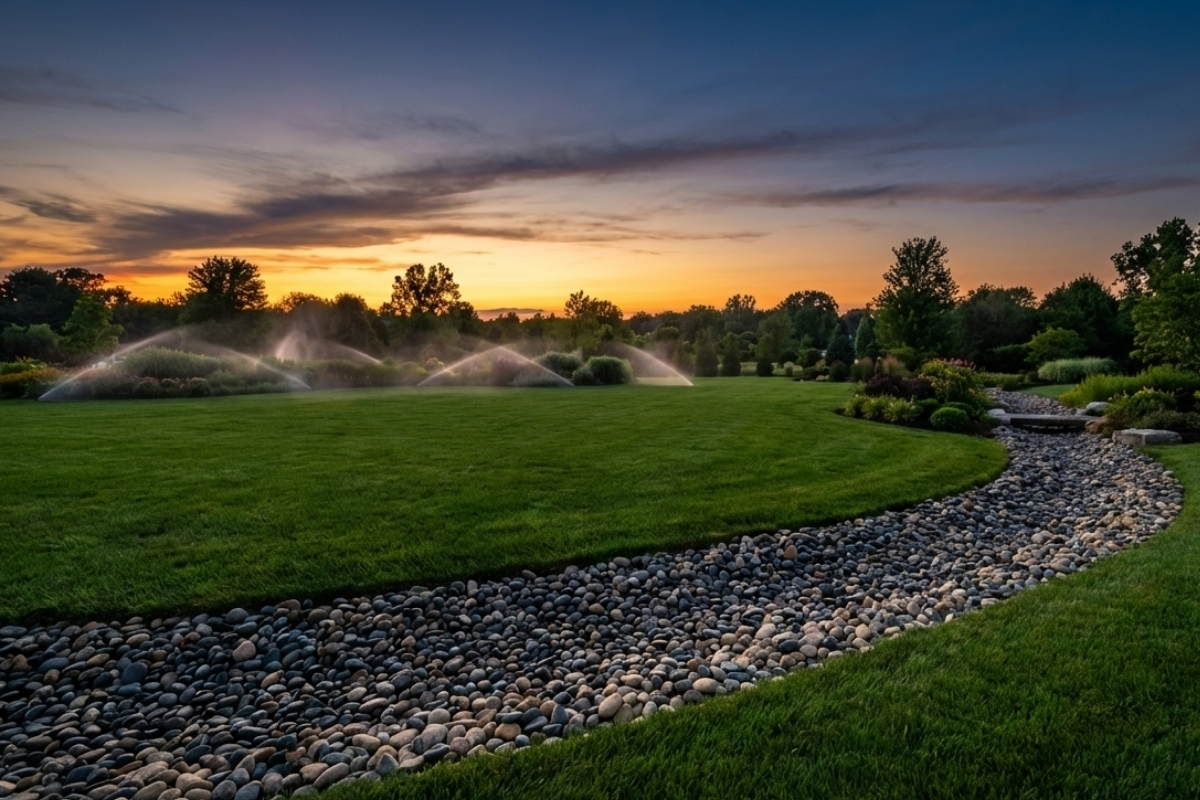
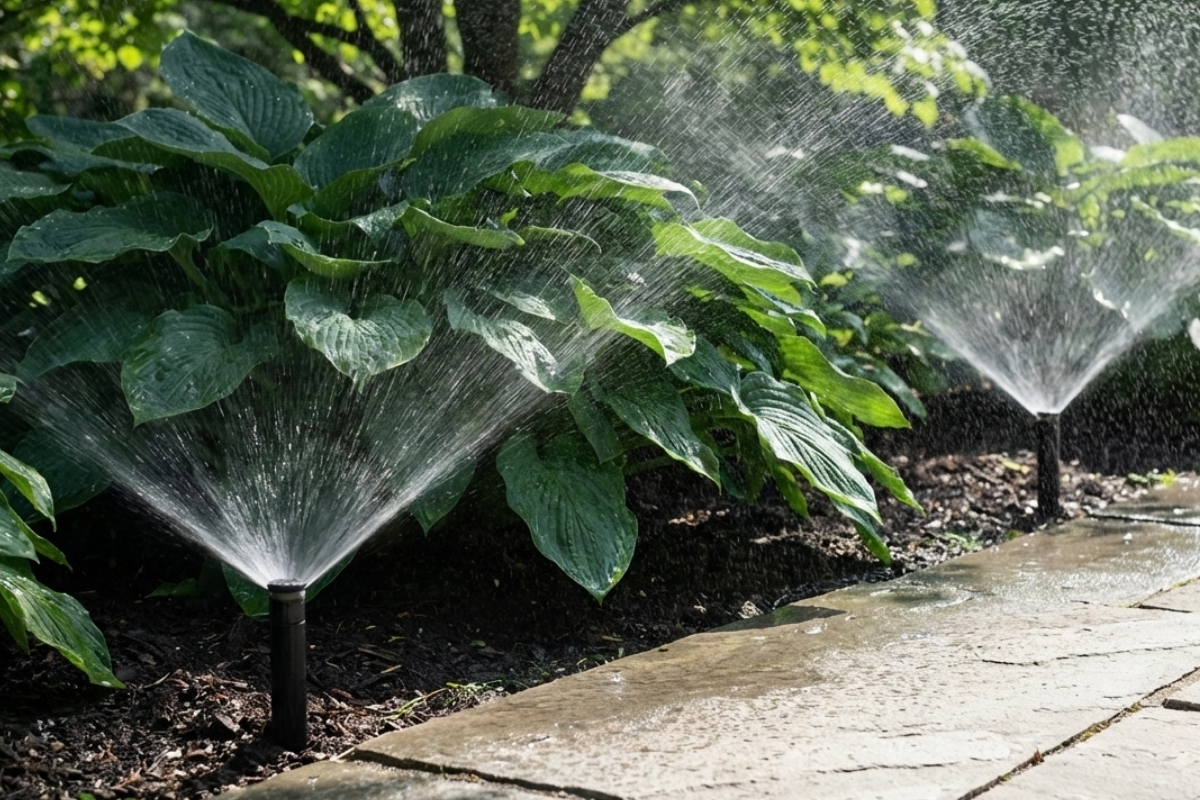
Spray Head Zones
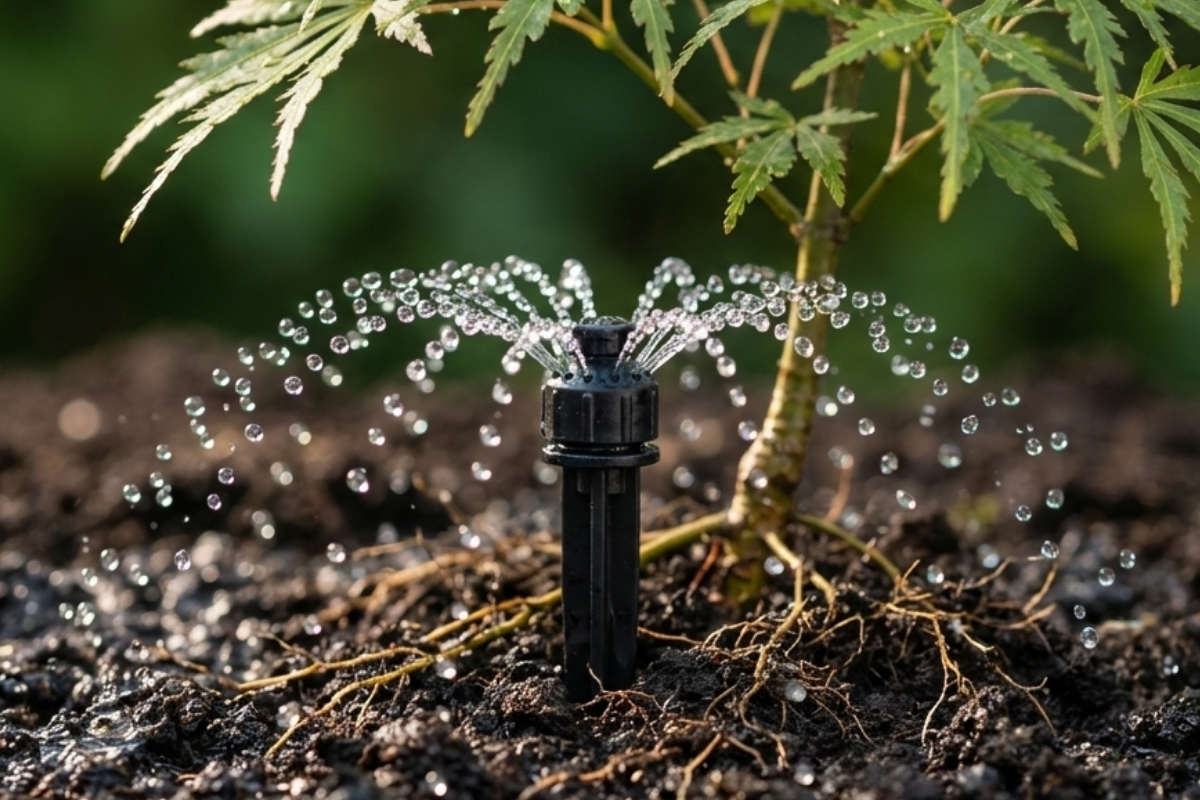
Drip Irrigation Zones
Annual Winterization
Our Irrigation System Installation Process
Phase 1
We measure static pressure and available flow rates at the point of connection, then map all planted areas, turf zones, hardscape, structures, and utilities across your property.
Water pressure and flow rate vary significantly across Northeast Ohio neighborhoods. Knowing your actual supply determines how many heads can run per zone and how we split the system into zones.
Phase 2
We produce a scaled irrigation plan showing head locations, zone boundaries, pipe routing, valve box locations, and controller placement. Every zone is calculated for precipitation rate in inches per hour — matched to what each plant type actually needs.
Head-to-head coverage is standard: every sprinkler head's throw meets or overlaps the next, eliminating dry spots.
Phase 3
A vibratory plow cuts a 4–6 inch slit and feeds pipe in one pass — minimal disturbance on established lawns. New projects use conventional trenching before sod or seed goes in, so no repair is needed afterward.
All heads are installed to finished grade with flexible swing joints for protection against mowing and foot traffic. Zone valves go in underground valve boxes with labeled leads run back to the controller.
Phase 4
Every zone is run and every head checked for proper operation, coverage, and arc adjustment. We correct any coverage gaps or pressure issues before calling the job complete.
We walk you through the controller, explain the app, demonstrate manual zone controls, and answer all questions before we leave the property.
Phase 5
Each October or early November, we introduce compressed air at the mainline and blow out each zone individually until no water is visible at the heads. The backflow preventer is drained and left in the open position for winter. A winterization tag on the controller confirms the service date.
We also offer spring startup — turning the water back on, checking all zones, replacing any heads damaged over winter, and reprogramming the controller for the new season.
Irrigation as Part of Your Complete Outdoor Living Space

Sod Installation
New sod needs consistent moisture during the first two weeks. We calibrate irrigation zones and head spacing so every square foot of new turf gets even coverage.
Landscaping
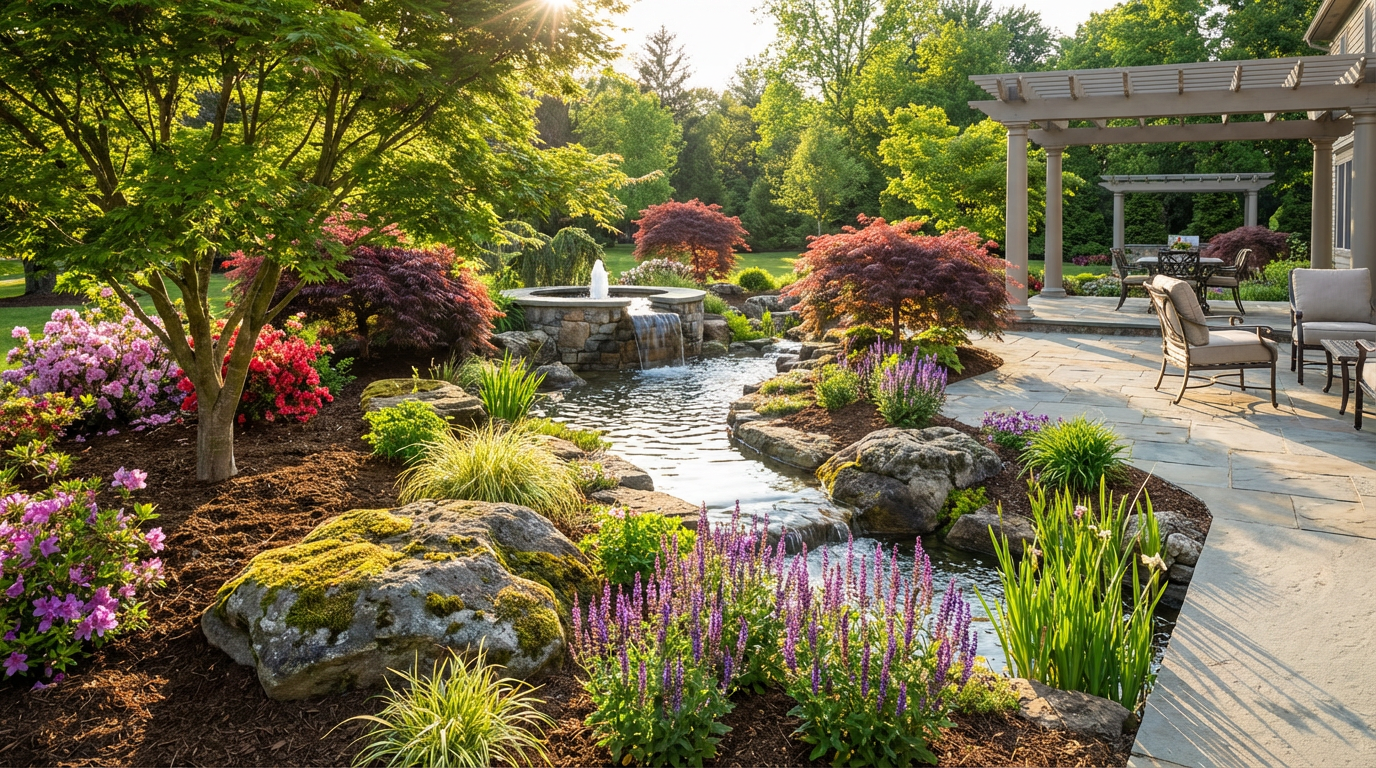
Different plant zones need different watering schedules. We match drip lines, rotary heads, and spray zones to your landscape plan so nothing gets overwatered or missed.
Drainage Solutions
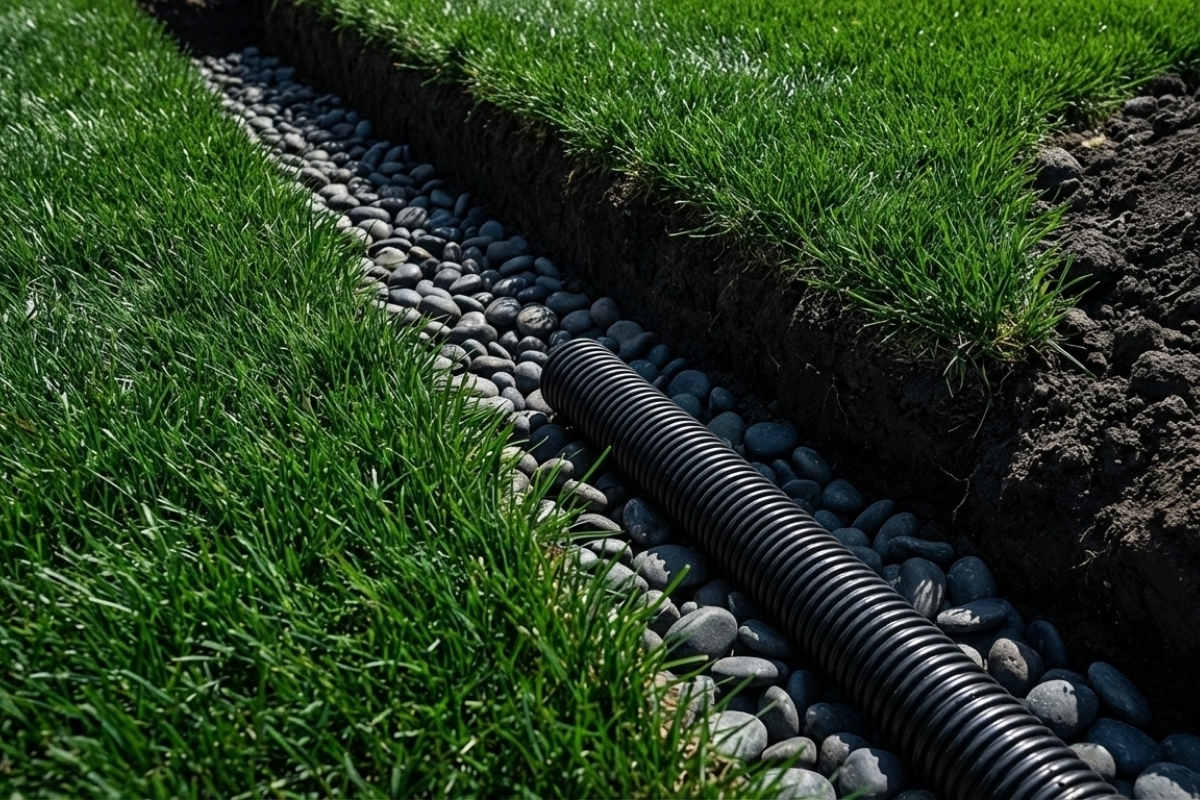
Too much water is just as damaging as too little. We balance irrigation output with drainage capacity so your yard stays healthy without creating runoff problems.
Hardscaping
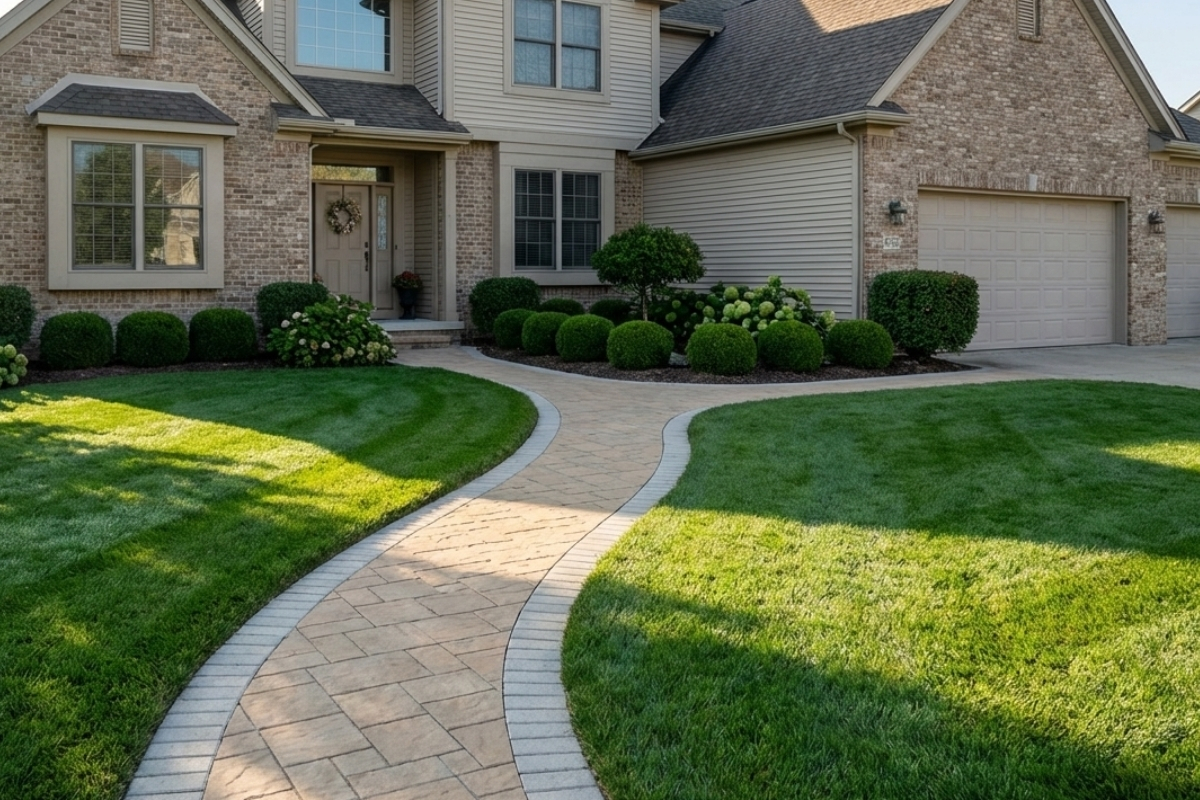
Sprinkler heads need to clear patio edges, wall caps, and walkway borders. We plan irrigation layouts around your hardscape so coverage is complete without overspray on stone.
Outdoor Lighting
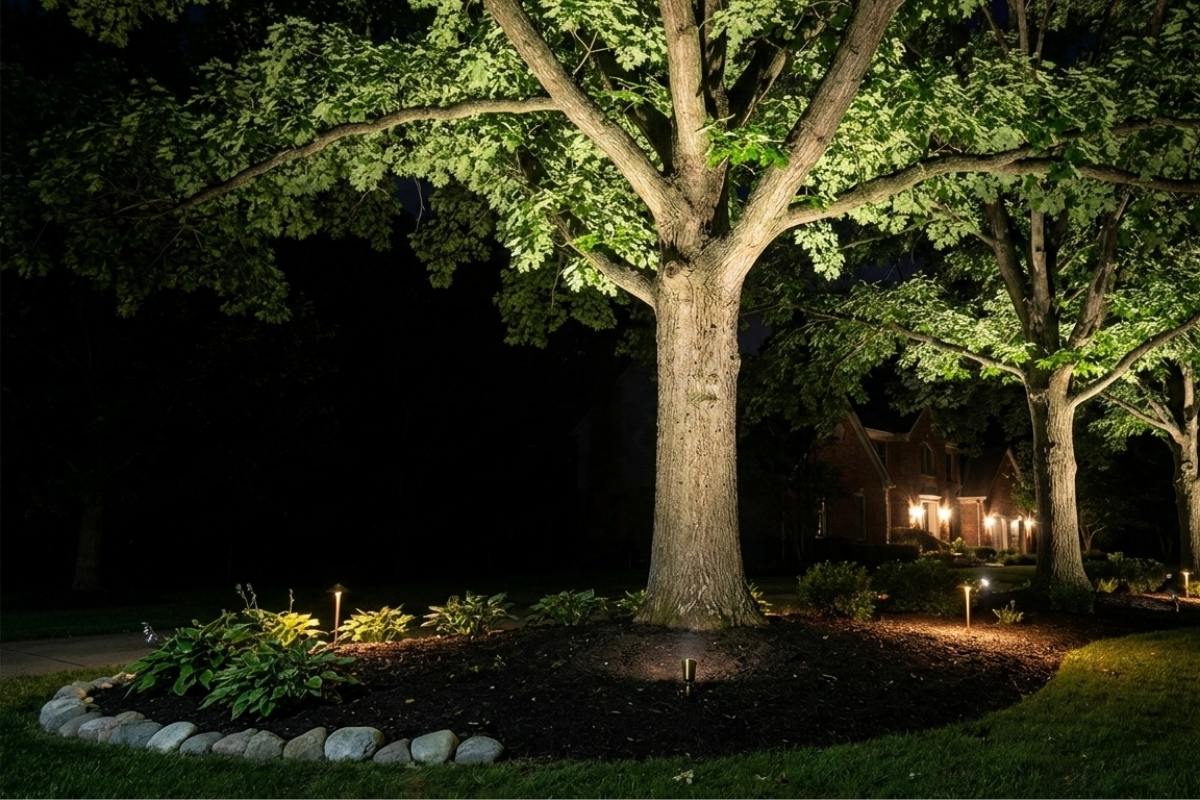
Irrigation and lighting share the same trenches and valve boxes. We run both systems during the same install to save time and avoid tearing up your yard twice.
Water Features
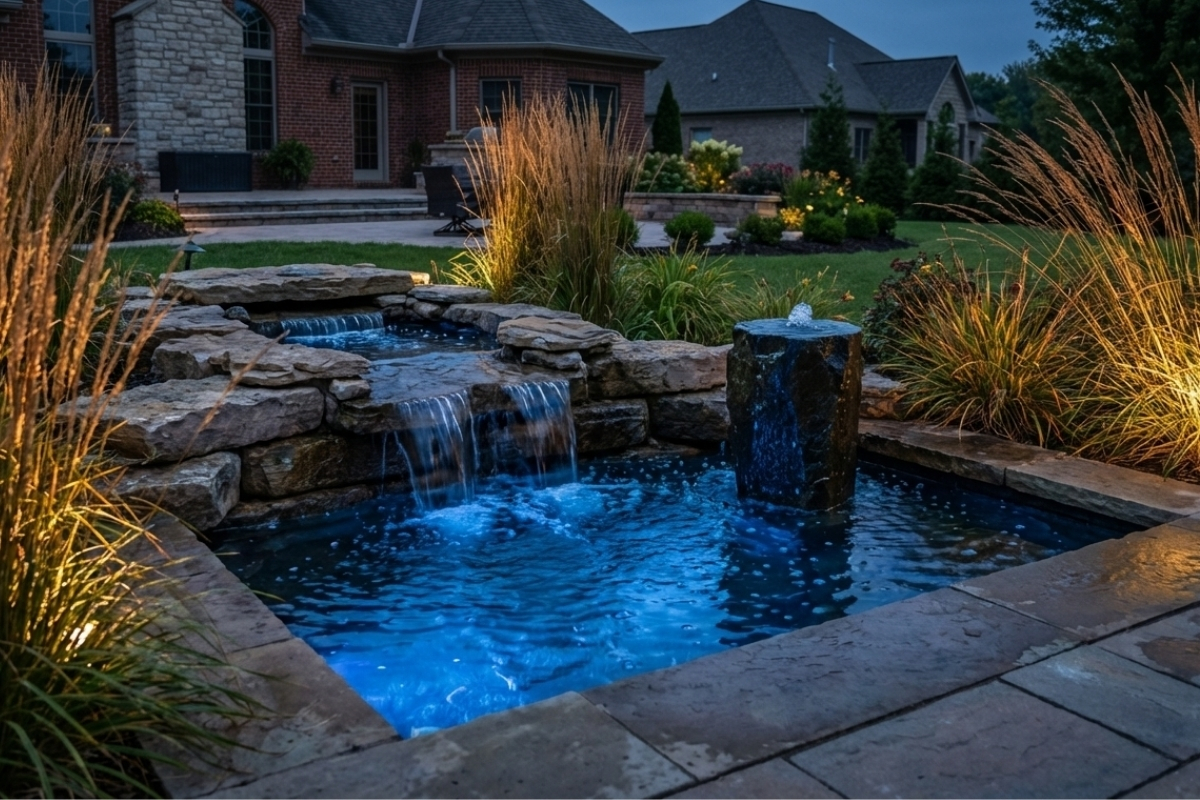
Ponds and fountains share water supply lines with your irrigation system. We tie both into a single backflow preventer and manage water pressure across the whole property.
Areas We Serve
This map highlights many of the communities where we regularly work. If you don’t see your area listed, give us a call — we’d love to discuss your project.
Frequently Asked Questions
A basic system for a standard quarter-acre lot with 4 to 6 zones starts around $3,000 to $6,000. Systems for larger properties, more complex zoning, drip zone conversions, or smart controller upgrades will vary from there.
We provide a full written quote after the site survey and design. There is no cost to get an estimate.
A typical single-family residential system with 4–6 zones on a standard lot takes one to two days for installation, plus a half-day for startup and controller programming.
Larger systems or multi-structure projects with new landscaping will require additional time. Vibratory plow installation leaves minimal disturbance — an established lawn typically heals within a month.
Vibratory plow installation on an established lawn leaves a narrow slit that waters in quickly — usually healed within one to two weeks. Entry and exit points for each trench run require a small sod cut that gets replaced.
On new home sites or landscape renovation projects, we can trench before sod or seed goes in — no repair needed at all.
A quarter-acre of turf watered to 1 to 1.5 inches per week uses approximately 15,000 to 20,000 gallons per month during peak summer. Smart controllers reduce that significantly by skipping cycles when rain is detected.
Drip zones use considerably less water than rotor or spray zones. Your actual usage depends on zone count, plant types, and local weather conditions.
Yes — every year without exception. A single hard freeze can crack PVC pipe, split valve bodies, and damage the backflow preventer. Repairs from one freeze event can easily run into hundreds of dollars. Annual winterization is far less expensive.
In Northeast Ohio, the first hard freeze typically arrives between late October and early November. We recommend scheduling winterization in October to stay ahead of that window.