
Excavation Services
- Home
- Excavation Services in Northeast Ohio
Precision Site Preparation For Luxury Builds
There is a beginning to every outdoor living space, and it all starts here, in the dirt. Before the first paver is laid, the first block is stacked, or the first foot of concrete is poured, we have to start here and make sure that the ground we have is going to work well for the new space we are about to create.
It is hard work, to be sure, but essential to all of the other steps in the process of creating an extraordinary outdoor living space.
The first step in preparation of the site is excavation. We must remove the earth that we don’t want and then grade and compact the site so that it drains correctly and can handle the weight that will be coming onto the new surface. The site needs to be ready to support the infrastructure of the new space in order for it to be a long-lasting and beautiful area to enjoy for years to come.
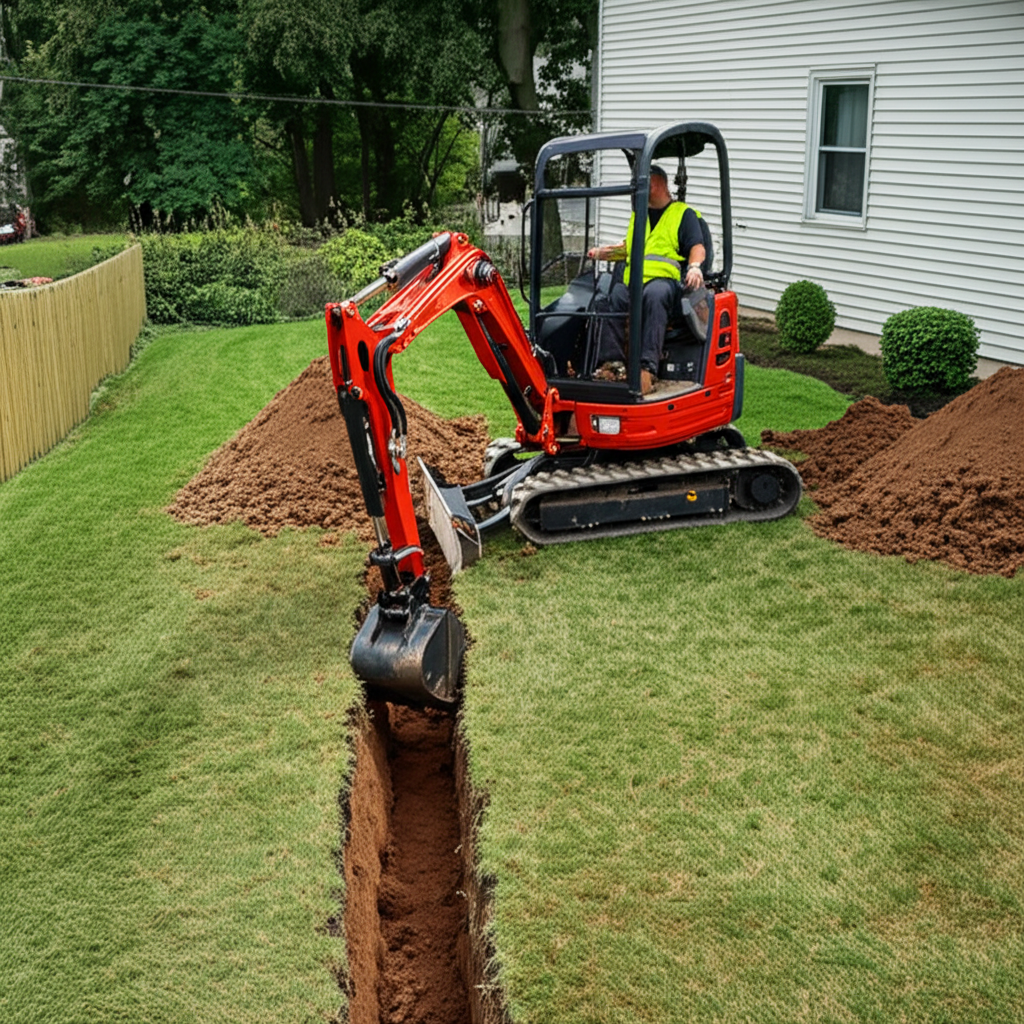
Our core focus at Bee Green Outdoor Living is Excavation and Site Preparation services in Greater Cleveland, Akron, Medina and surrounding areas.
We utilize compact excavators, skid steers and dump trailers that are small enough to fit through a typical 4-foot wide fence gate and open back yard. This makes it possible to prepare your site without extensive excavation and site preparation damage to your lawns, gardens, patios and walkways.
What Our Excavation Services Include
Every outdoor living project begins below grade. From initial site grading to foundation prep and utility trenching, our excavation work sets the foundation for everything that follows — patios, kitchens, pergolas, retaining walls, and drainage systems.
Excavation services we provide
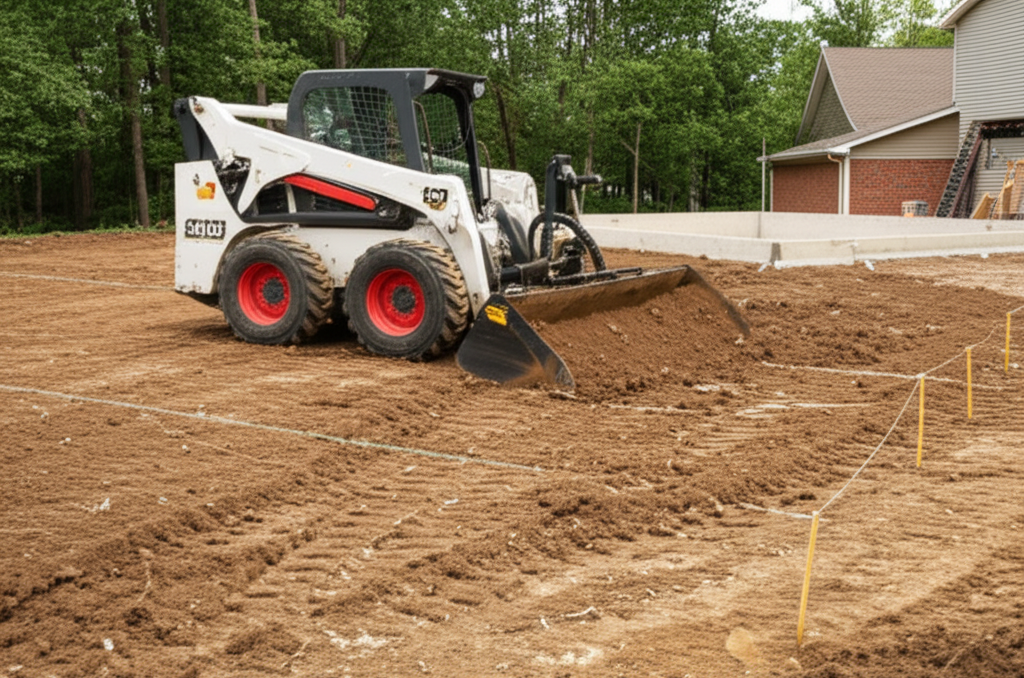
Site Grading
Site Grading: We establish a minimum 2% positive slope away from all structures for drainage, and level building pads to elevation. Proper grading is the most critical factor in preventing wet basements and structural failures in NE Ohio clay.
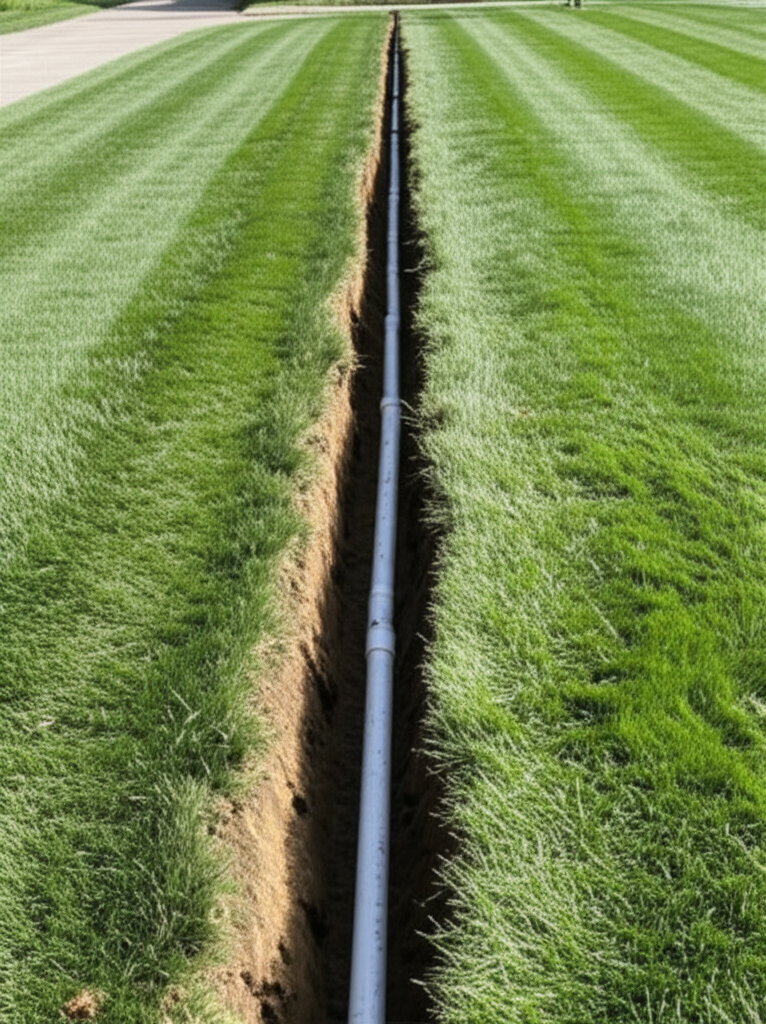
Trenching
Trenching: Precision narrow excavation for gas lines, electrical conduit, irrigation pipe, drainage pipe, and low-voltage wire — each dug to code-required depth with proper bedding material and compacted backfill.
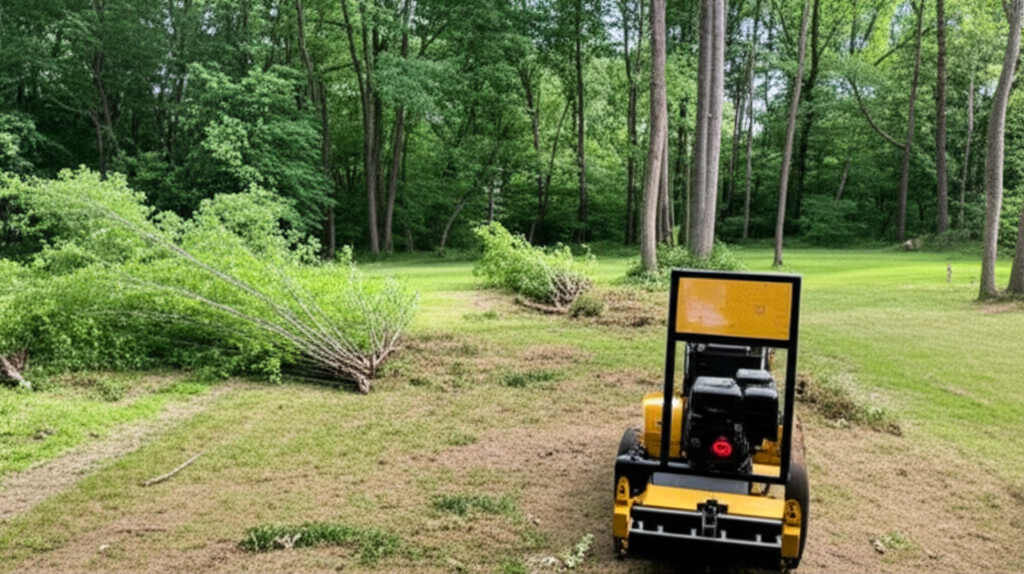
Land Clearing
Land Clearing: Selective removal of brush, trees, stumps, and surface materials. We work around existing trees and landscaping designated for preservation, with stump grinding and brush chipping included where feasible.
Soil Removal & Import
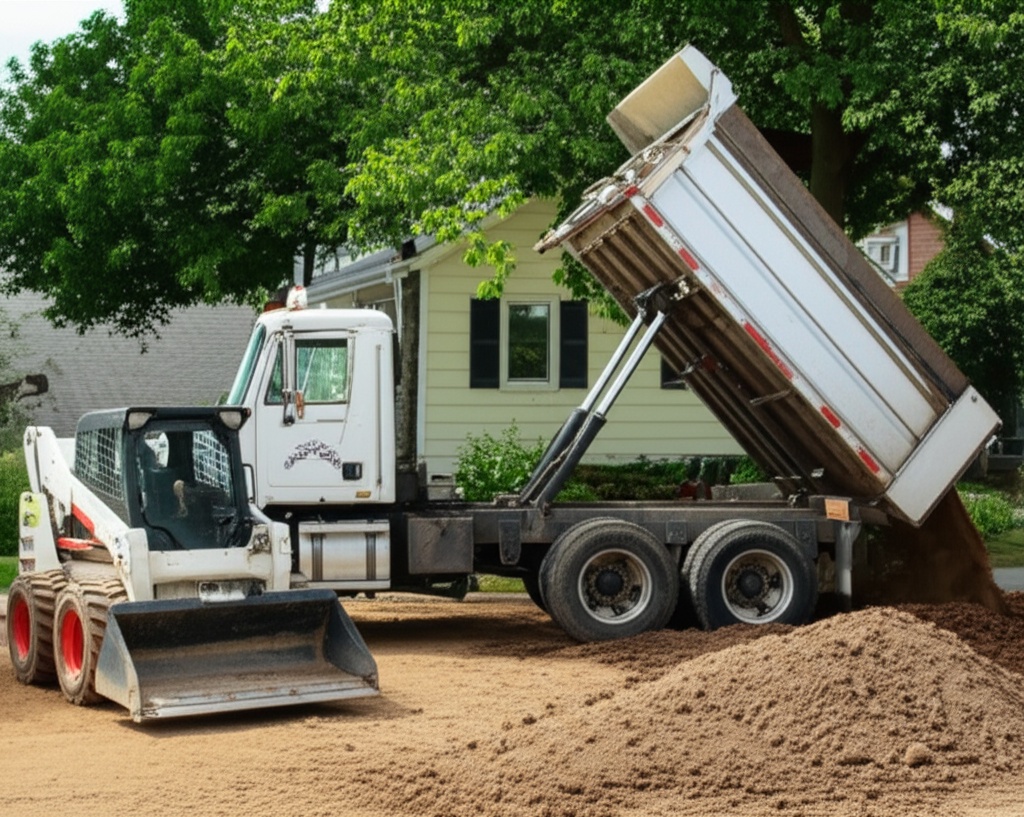
Soil Removal & Import: NE Ohio clay is poor structural fill. We haul excavated material to licensed disposal sites and arrange delivery of structural fill, topsoil, compost, or drain gravel — staged and spread with equipment to minimize hand labor.
Foundation & Footing Excavation
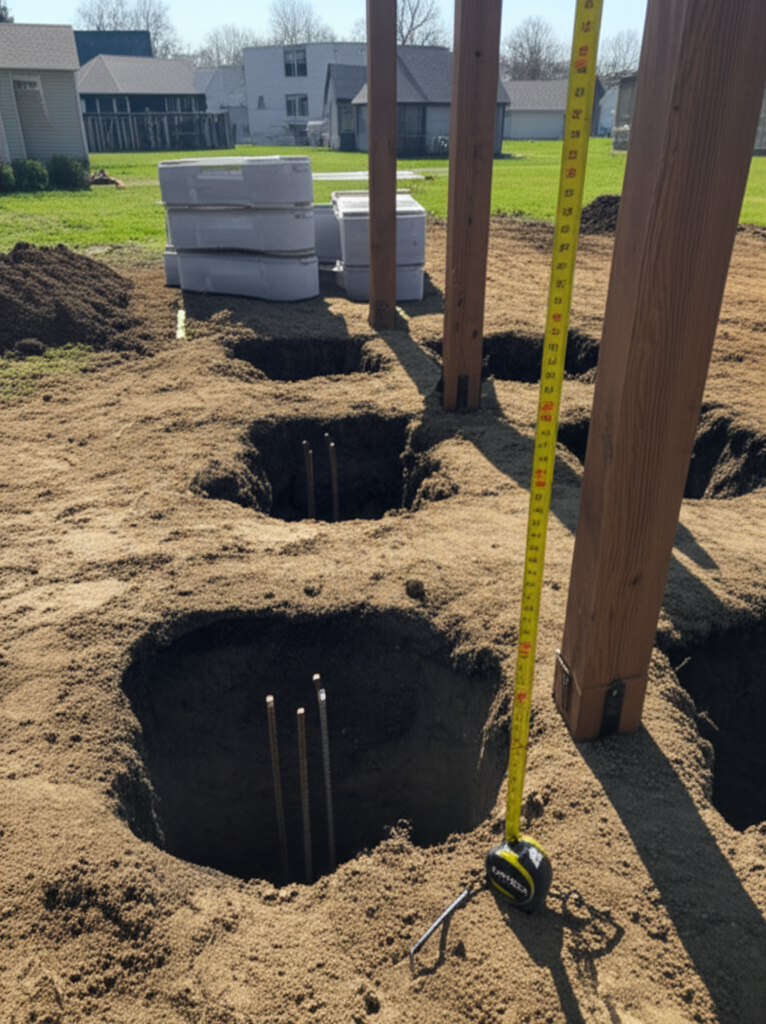
Foundation & Footing Excavation: Pergola posts, pavilion columns, retaining walls, and outdoor kitchens all require footings 42″ below grade in NE Ohio. We excavate to required depth, square the geometry, and prepare for concrete pours or form construction.
One Team from First Dig to Final Stone
Northeast Ohio’s heavy clay soil, significant freeze-thaw cycles, and steep topography create predictable failure patterns when excavation shortcuts are taken. Most problems we fix on existing properties trace back to three causes: incorrect grading, skipped utility locates, or equipment that was too large for the site and damaged surrounding areas during construction.
The Common Mistakes
Excavation mistakes cascade. A grading error of only 2 inches on a 40-foot patio becomes pronounced at the finished surface. A footing built 6 inches off-spec creates misalignment in the structure above. And hitting an unlocated gas line can shut down a project for a week or more.
These aren’t rare edge cases — they’re the most common callbacks we see on projects where different contractors handled excavation and finish construction. When the same crew does both, there’s no coordination gap.
Our site preparation standard
- Ohio 811 call before every project: No exceptions — 48 hours minimum before breaking ground.
- Soil evaluated before construction begins: We assess soil conditions at the start so scope changes don't surprise you mid-project.
- Backfill compacted in 6-inch lifts: Prevents future settling in trench lines and around foundations.
- Rubber-tracked equipment on all residential projects: Minimizes lawn and landscape damage during access.
Drainage Slope Control
A 2% positive slope away from all structures is the minimum standard. In NE Ohio clay, even a 1% grading error means water pools against foundations. We survey and establish proper grade before anything is built.
Ohio 811 Utility Locate
We call Ohio 811 a minimum of 48 hours before every dig. Gas, electric, water, sewer, and telecom are field-marked. Private utilities — irrigation, invisible fence, septic — are identified during the initial consultation.
Compact Equipment Access
Our 3–8 ton rubber-tracked excavators and skid steers fit through standard 36-inch fence gates. We protect your existing lawn and landscaping by using the smallest machine that efficiently handles the job.
Equipment We Use
Compact Excavators (3–8 Ton)
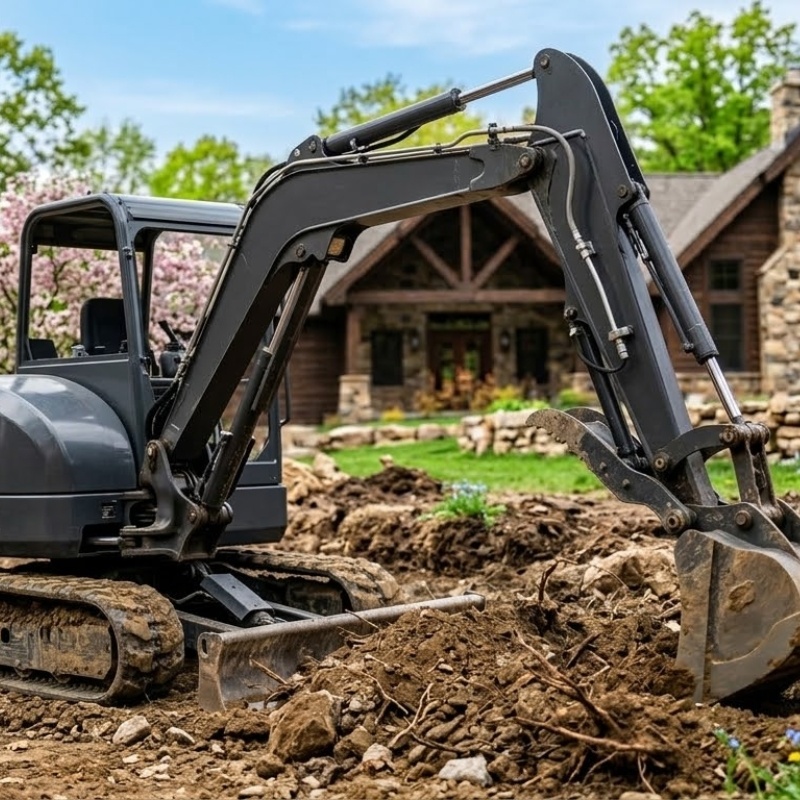
Our compact excavators are the primary digging machine for residential projects. Rubber tracks reduce lawn damage. A 48-inch swing radius allows work in confined spaces. Thumb attachments move large boulders and debris chunks. Most standard residential back yards are accessible through a 36-inch fence gate.
Skid Steers with Attachments
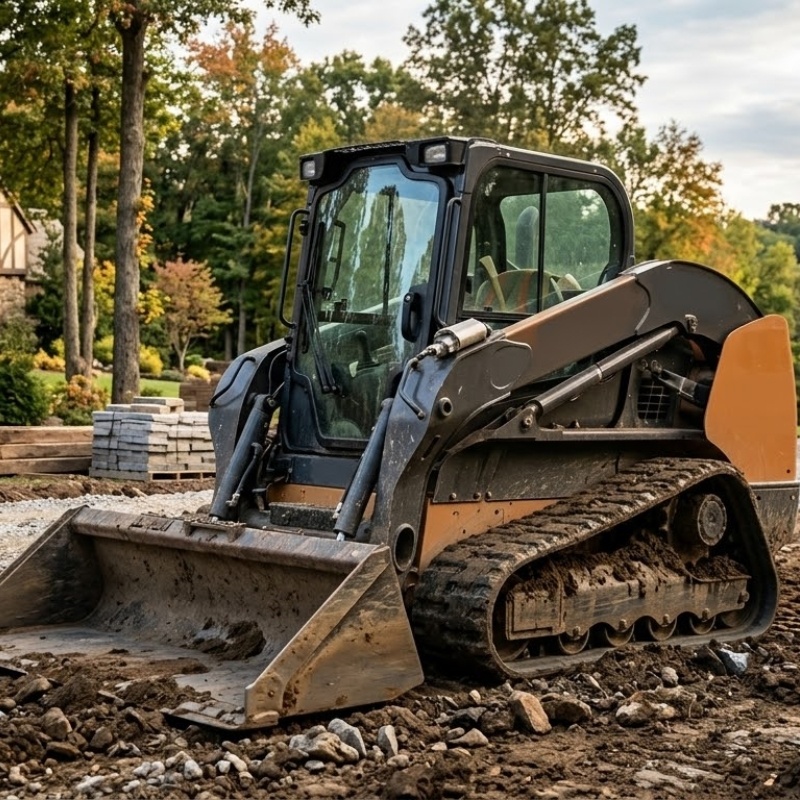
Versatile machines for grading, material spreading, backfilling, and loading. Available with bucket, grading blade, and trencher attachments. After excavation is complete, the skid steer is the primary tool for spreading aggregate base, topsoil, and finish grading disturbed areas.
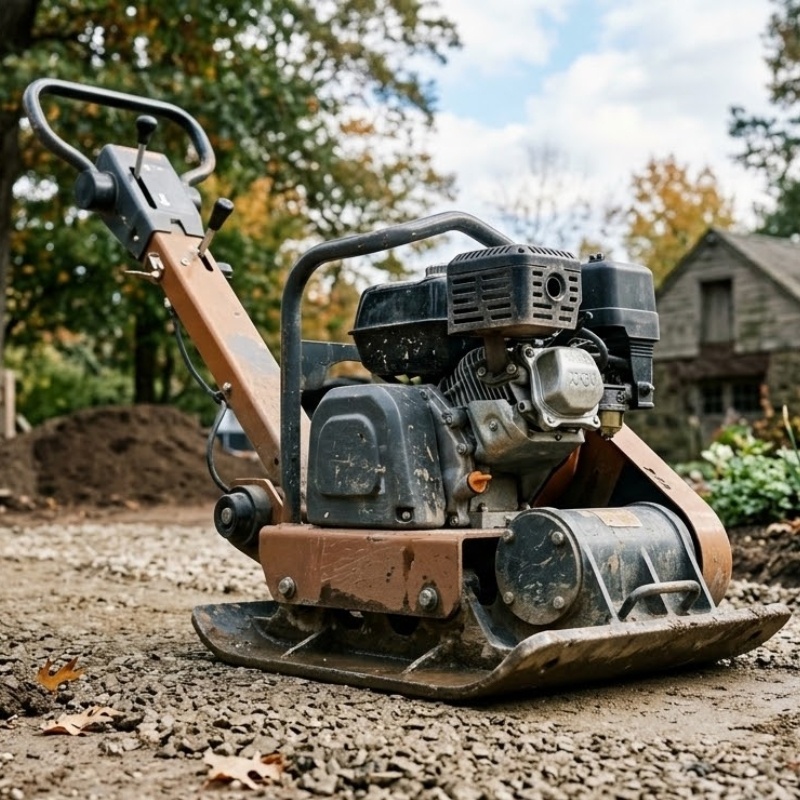
Plate Compactors
Compacting aggregate base material, trench backfill, and subgrade preparation. Backfill is compacted in 6-inch lifts — not dumped in bulk and compacted once. This is the most commonly skipped step in residential excavation and the primary cause of future settling.
Dump Trailers & Trucks
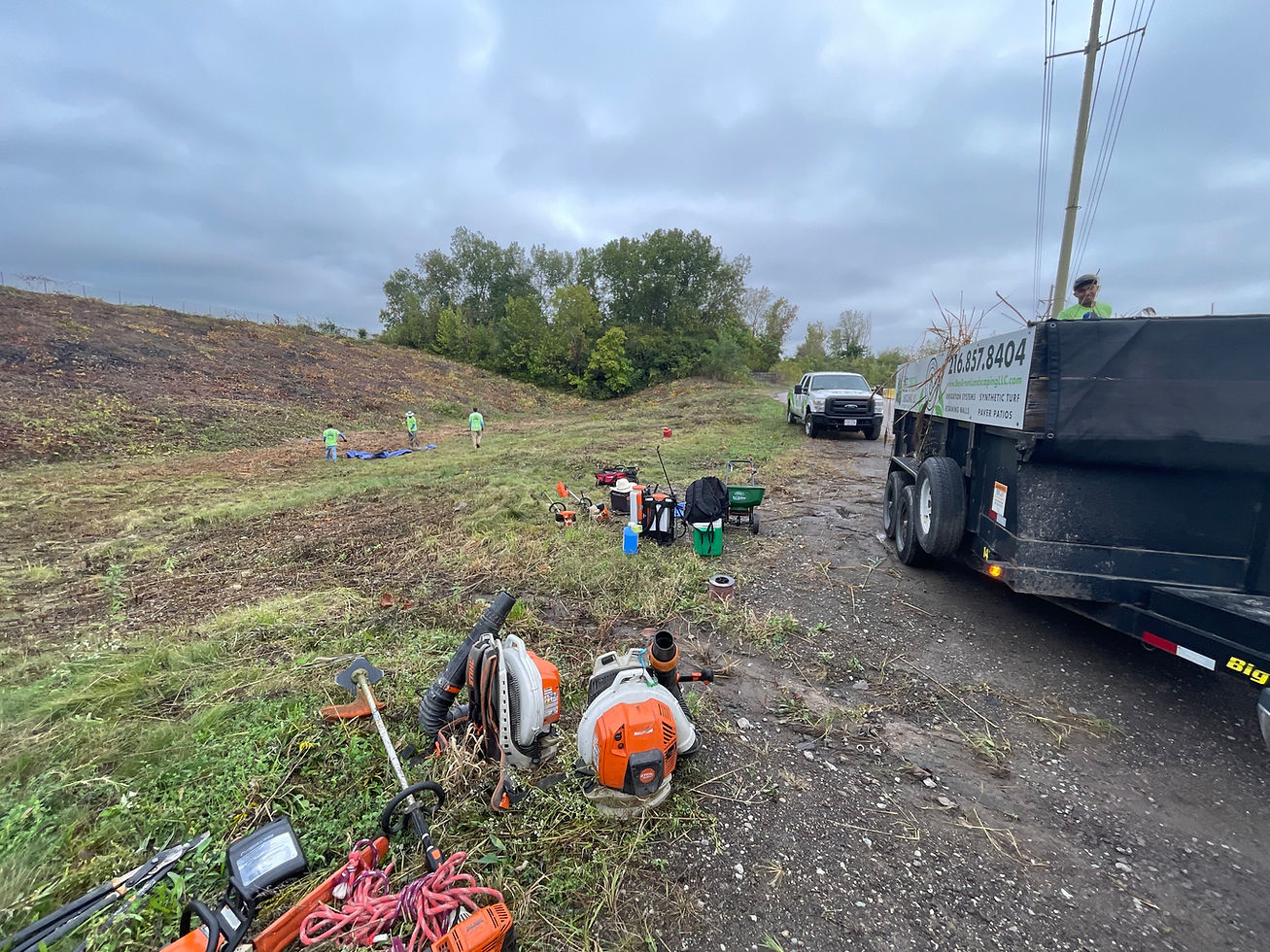
Used to move excavated soil off-site to licensed disposal facilities and to bring in new materials — structural fill, drain gravel, topsoil, compost. We stage and spread imported material with equipment to minimize hand labor and project timelines.
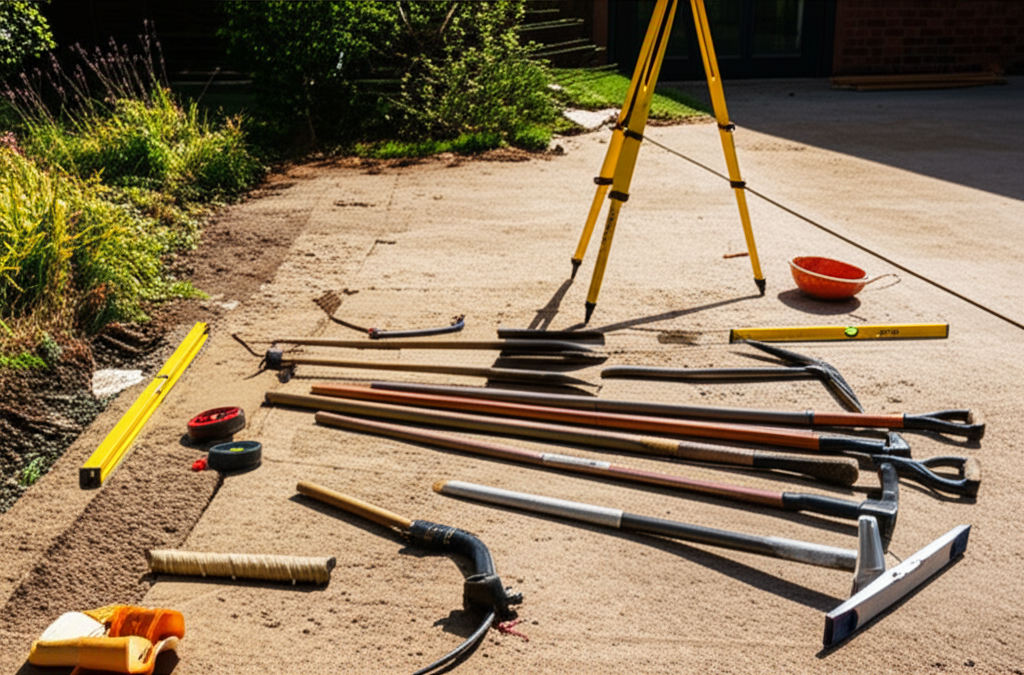
Hand Tools & Specialty Equipment
For work near utilities or in tight access, we use hand digging tools, vacuum excavation, and manual compaction. When a machine can’t safely operate near marked utilities, we hand-dig and visually verify clearance before using mechanical equipment.
Our Excavation Process
Phase 1
We walk the property with you and evaluate existing conditions — soil type, current grade, drainage patterns, utility locations, access points, and any constraints that affect the project. We take measurements and discuss your goals for the finished space.
At this stage we're identifying what needs to come out, what needs to stay, and what the finished grade needs to look like. We assess access for our equipment and identify any private utilities not covered by Ohio 811.
Phase 2
Before any digging begins, we submit the Ohio 811 locate request a minimum of 48 hours in advance. Gas, electric, water, sewer, and telecom utilities are field-marked on the surface by the respective utilities.
We verify the marks against our proposed excavation layout before any machine touches the ground. For work near marked utilities, we hand-dig and visually confirm clearance before using mechanical equipment.
Phase 3
Excavation begins with removing vegetation, topsoil, and unsuitable material to reach undisturbed subgrade. Grade is established to the design elevation using laser or manual grade checking at regular intervals.
Trenches are excavated to the required depth for each utility type with proper bedding material placed in the bottom. Site access is managed throughout to minimize equipment damage to surrounding lawn and landscape areas.
Phase 4
All backfill material is placed and compacted in 6-inch lifts. This prevents future settling in trench lines, around foundations, and under hardscape areas. Compaction is verified by lift — not done once after the entire excavation is filled.
Structural fill, drain gravel, or sand bedding is used as appropriate to each application. Native soil is reserved for areas where it can be reused for finish grading or berming.
Phase 5
After excavation work is complete, disturbed lawn areas are finish-graded and restored with sod or seed. Equipment tire tracks and staging areas are raked, rolled, and prepared for lawn restoration.
We walk the finished excavation work with you before beginning any surface construction above it. All utility markings are documented and reviewed against the completed excavation to confirm clearances were maintained.
Excavation and the Larger Outdoor Living Picture
Excavation is rarely a standalone project. It’s the first step in creating patios, kitchens, walls, drainage systems, and outdoor living spaces. When the same crew handles excavation and finish construction, there are no coordination gaps and no scope disputes.
Drainage Solutions
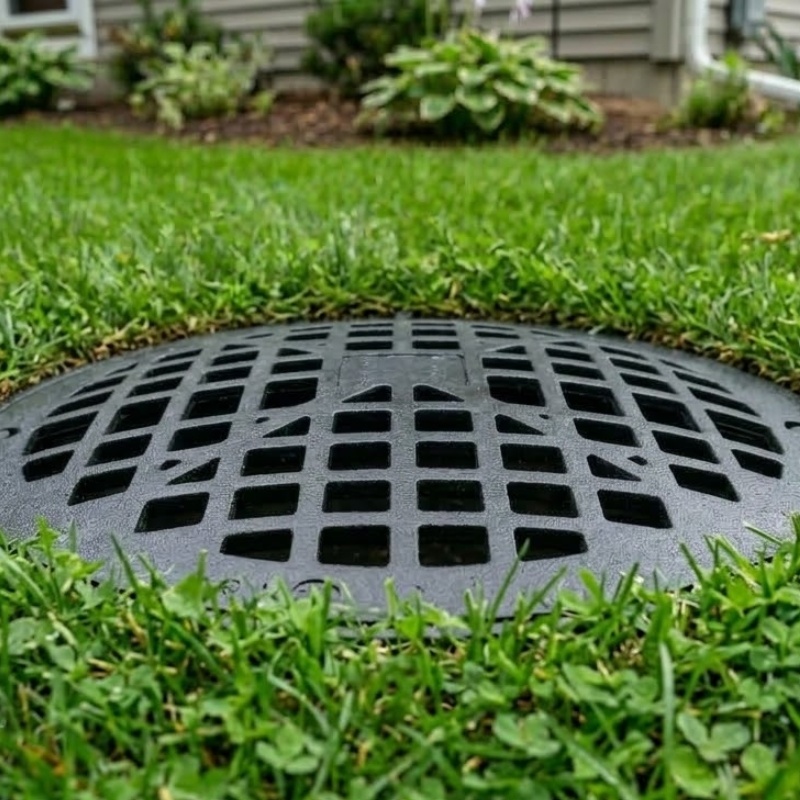
Excavation and drainage go hand in hand. While we have the ground open, we install French drains, catch basins, and graded channels that protect your investment for decades.
Retaining Walls
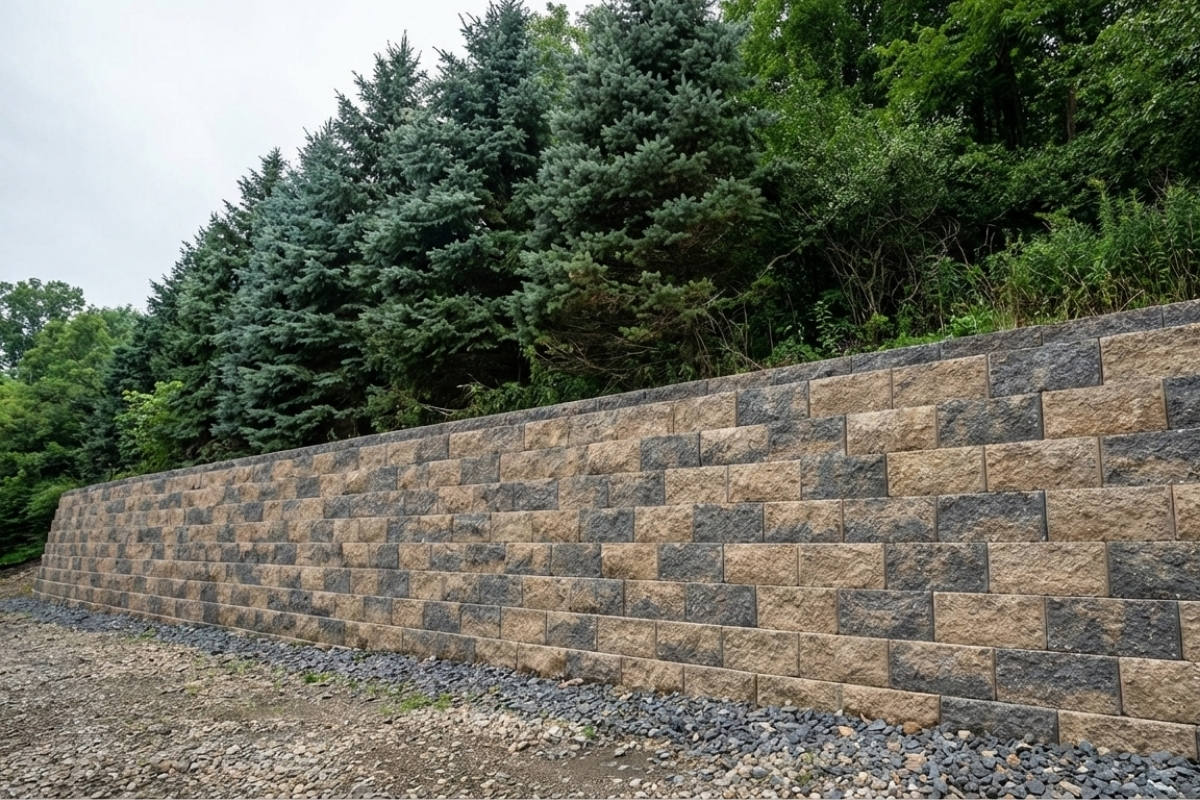
Walls over four feet need engineered footings and compacted backfill. Our excavation crew sets the base course at the right depth so your retaining wall performs structurally.

Patio Installation
A patio that lasts starts six inches below the surface. We excavate to depth, compact the subgrade, and verify slope before a single paver is set.
Sod Installation
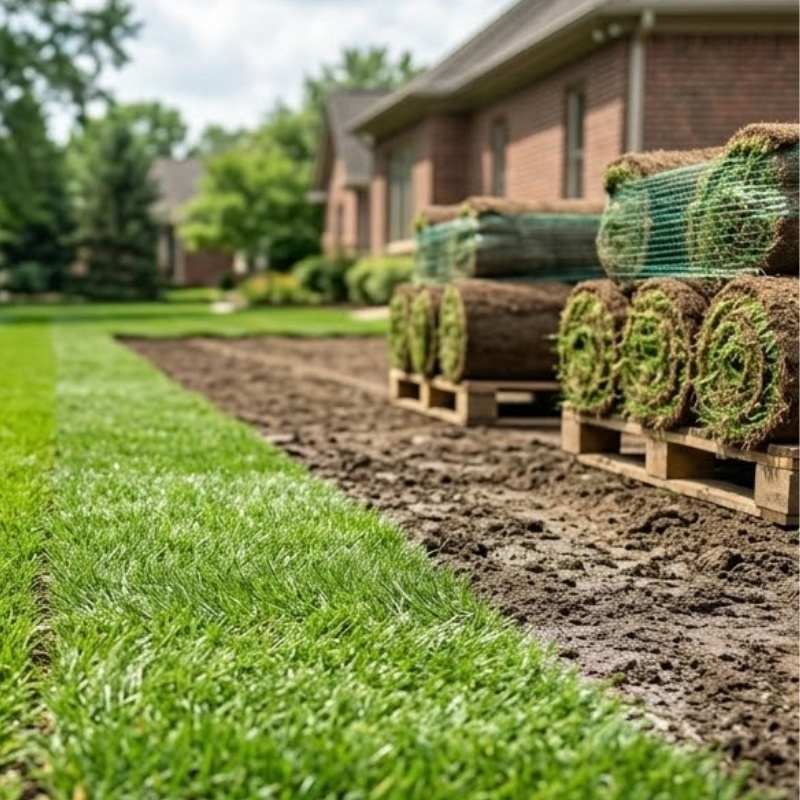
Rough grading during excavation sets the stage for a level lawn. We remove debris, redistribute topsoil, and fine-grade so your sod installation starts on solid ground.

Landscaping
We clear, grade, and shape the raw terrain so your landscape design has the contours and soil conditions it needs to succeed long-term.

Hardscaping
Patios, walkways, and seat walls all begin with excavation. We prepare the base for every hardscape element so the finished surface stays flat and stable.
Areas We Serve
Bee Green Outdoor Living provides excavation and site preparation services across Northeast Ohio — from initial grading to final cleanup.
This map highlights many of the communities where we regularly work. If you don’t see your area listed, give us a call — we’d love to discuss your project.
Frequently Asked Questions
Ohio 811 (utility locate) is a standard part of every project we do. You don't need to call separately — we initiate the request, notify the appropriate utilities, and have their infrastructure marked on the surface before any digging begins.
The marks are verified against our excavation plan before any work starts. For work within the marked tolerance zone of any utility, we hand-dig and visually confirm clearance first.
Some disturbance is unavoidable. Our approach minimizes damage: rubber-tracked excavators reduce ground pressure compared to steel tracks or wheeled equipment; we use the shortest access paths; and we lay plywood runners in high-traffic areas to reduce ruts.
Disturbed lawn areas are finish-graded and restored with sod or seed at project closeout. The goal is to leave the access areas in equal or better condition than when we started.
Usable material — clean topsoil, good fill — can be stockpiled and redistributed on your property for low-area fill, berm creation, or garden bed building. We'll discuss a soil management plan during the consultation.
Material that can't be reused on-site — clay, debris, unsuitable fill — is hauled to a licensed disposal facility. If you want to save soil for your garden, just let us know and we'll set it aside.
We typically excavate from April through November. Frozen ground significantly increases excavation difficulty and cost — it requires heavier equipment and more time to break through.
In mild winters, we may be able to start earlier than April. For projects with early spring completion deadlines, we discuss the timing tradeoffs during consultation and plan accordingly.