
Premium Paver Installation in Greater Cleveland
- Home
- Paver Installation in Northeast Ohio
Paver Systems Worthy of Your Estate
The hardscape surfaces of your estate should offer both breathtaking aesthetics and uncompromising permanence. In Northeast Ohio, achieving this standard means choosing engineered architectural pavers over traditional poured concrete.
Rather than relying on a rigid slab that inevitably cracks under the pressure of shifting clay soil, a paver system offers an elegant, flexible solution. We construct these surfaces on deeply excavated, highly compacted aggregate bases. This allows the individual stones to adapt naturally during severe freeze-thaw cycles, ensuring your landscape remains perfectly intact without the need for unsightly expansion joints.
From expansive courtyards and pedestrian walkways to heavy-duty, vehicular-rated driveways, every installation is engineered to your property’s specific load requirements. The result is a stunning architectural feature built for decades of flawless performance.
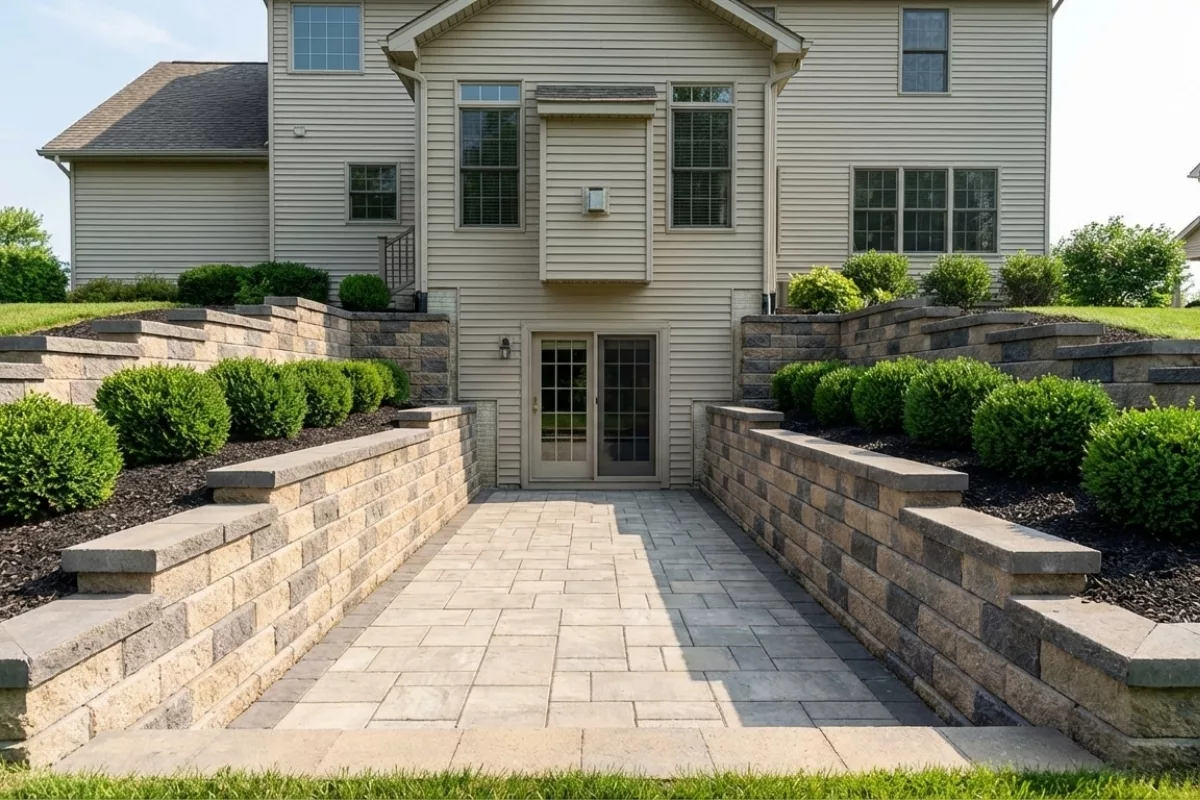
At Bee Green Outdoor Living, we design and install premium paver systems across Greater Cleveland, Akron, Medina, and the surrounding communities.
Whether you envision a sprawling pool deck, an elegant courtyard, or a custom driveway, we perfectly balance your aesthetic vision with uncompromising structural integrity. Every paver installation is guaranteed to sit on a rigorously engineered foundation designed specifically to master Northeast Ohio’s unique soil and climate.
Paver Applications
We install paver systems for a range of residential and commercial applications — each engineered for the specific demands of the surface.
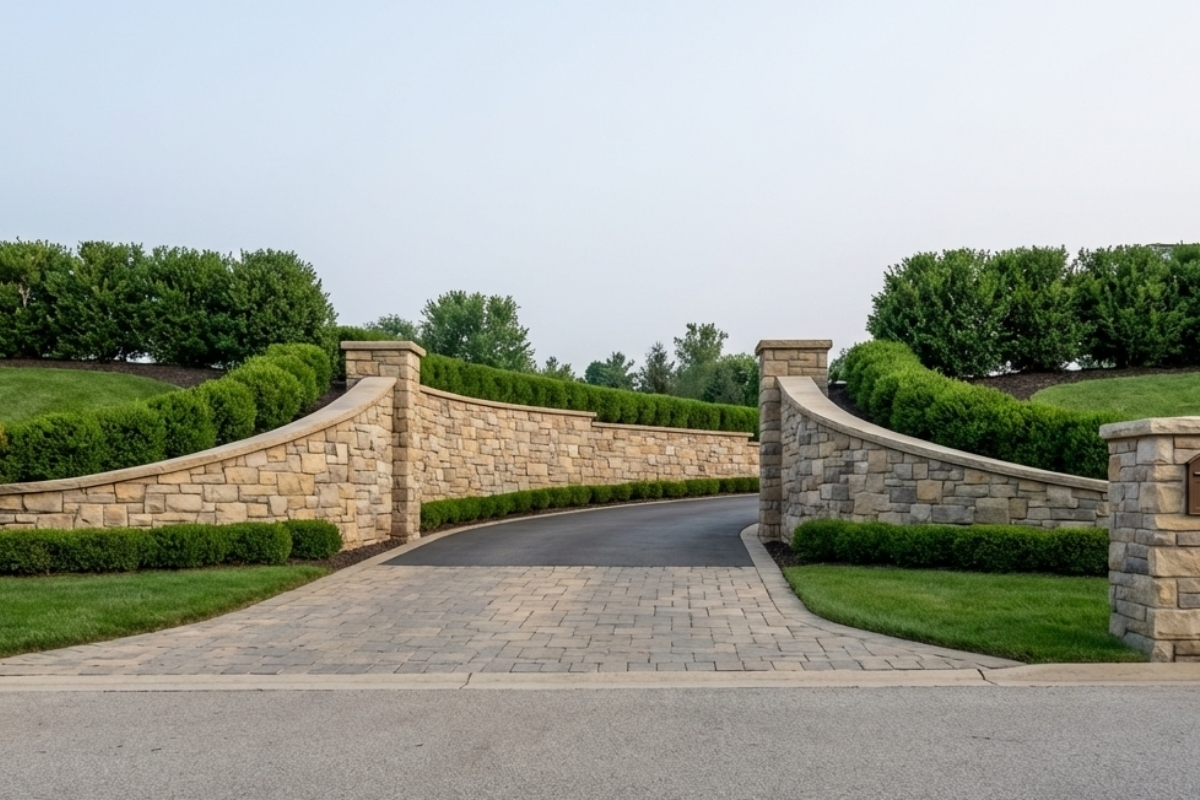
Driveways
Vehicular-rated pavers on a 10–12 inch compacted aggregate base with geotextile separation. Engineered for daily auto traffic with compressive strength over 10,000 PSI. Maintenance-free and individually repairable — utilities can be accessed without destroying the surface.
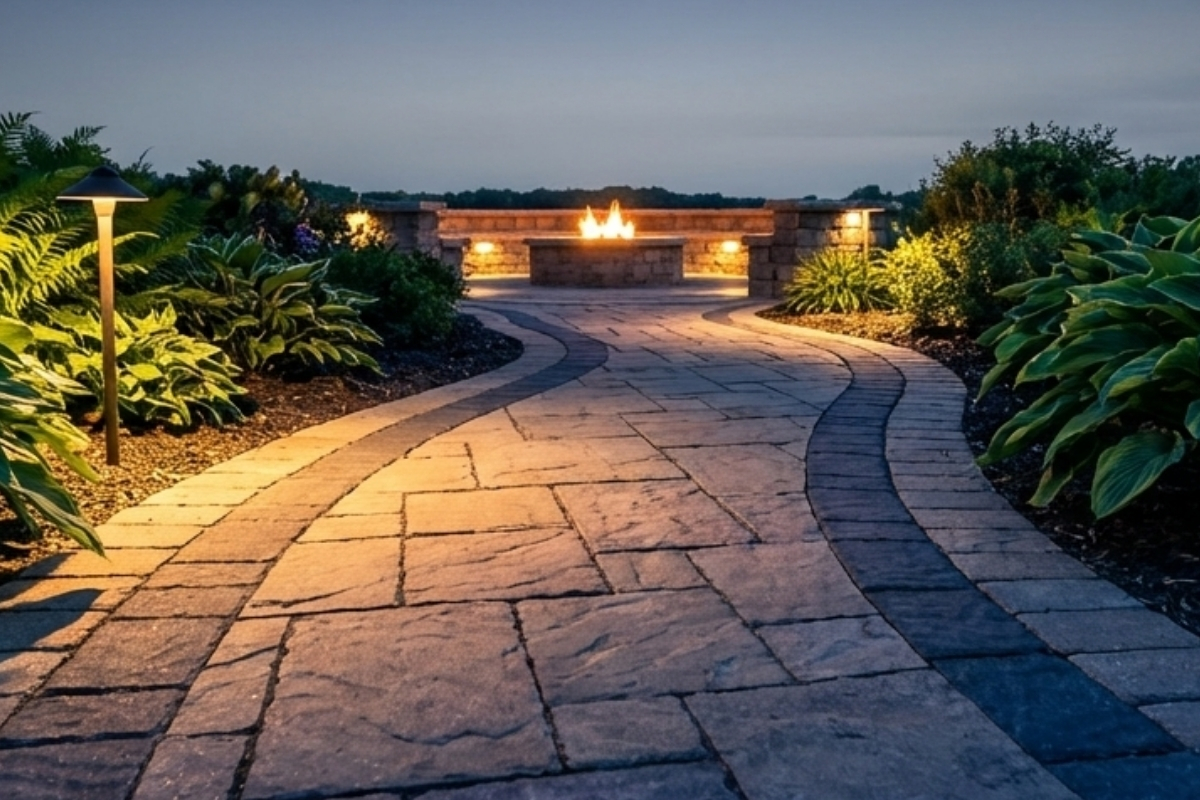
Walkways
Pedestrian-rated pavers (8,000+ PSI) on a 6-inch compacted base. Connecting driveways to front doors, patios to gardens, and homes to pools. Width designed for use — 4 to 5 feet for two-person paths, wider for primary entries.
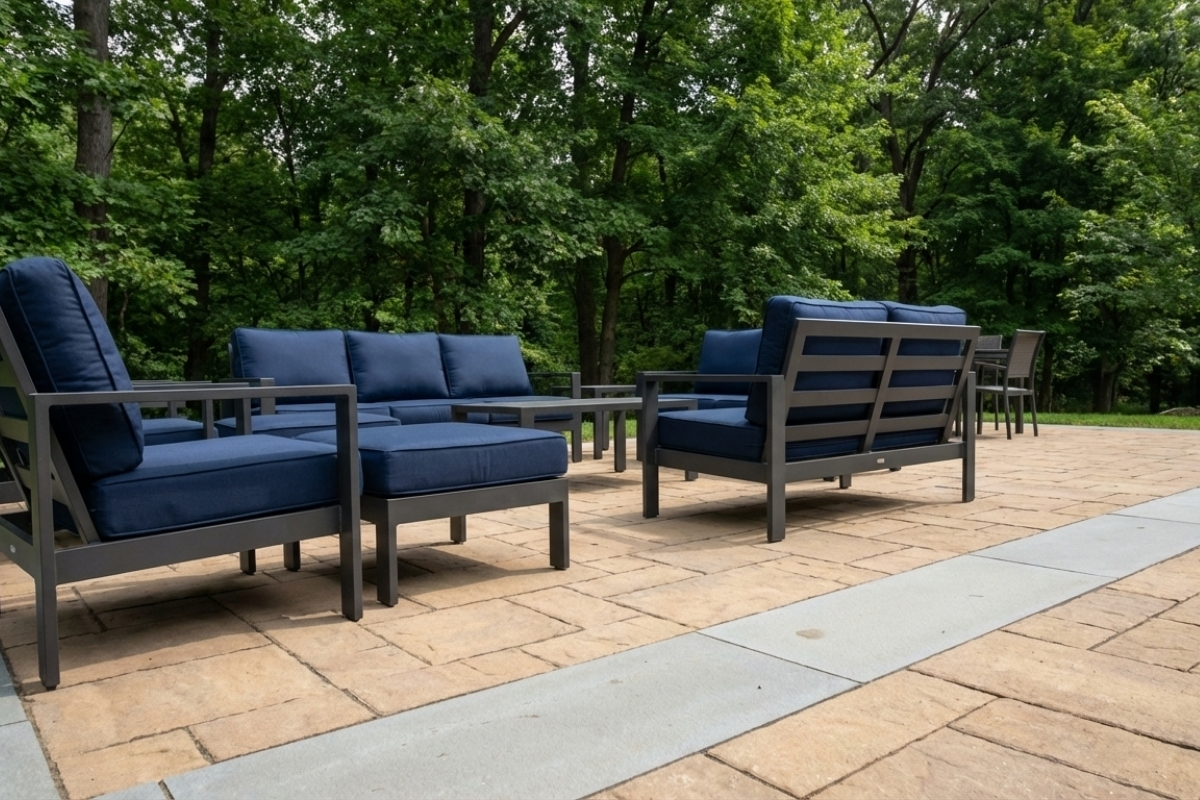
Patios
The foundation of most outdoor living spaces. Paver patios are our most commonly installed surface type. See our Patio Installation page for full details on design, materials, base construction, and more.
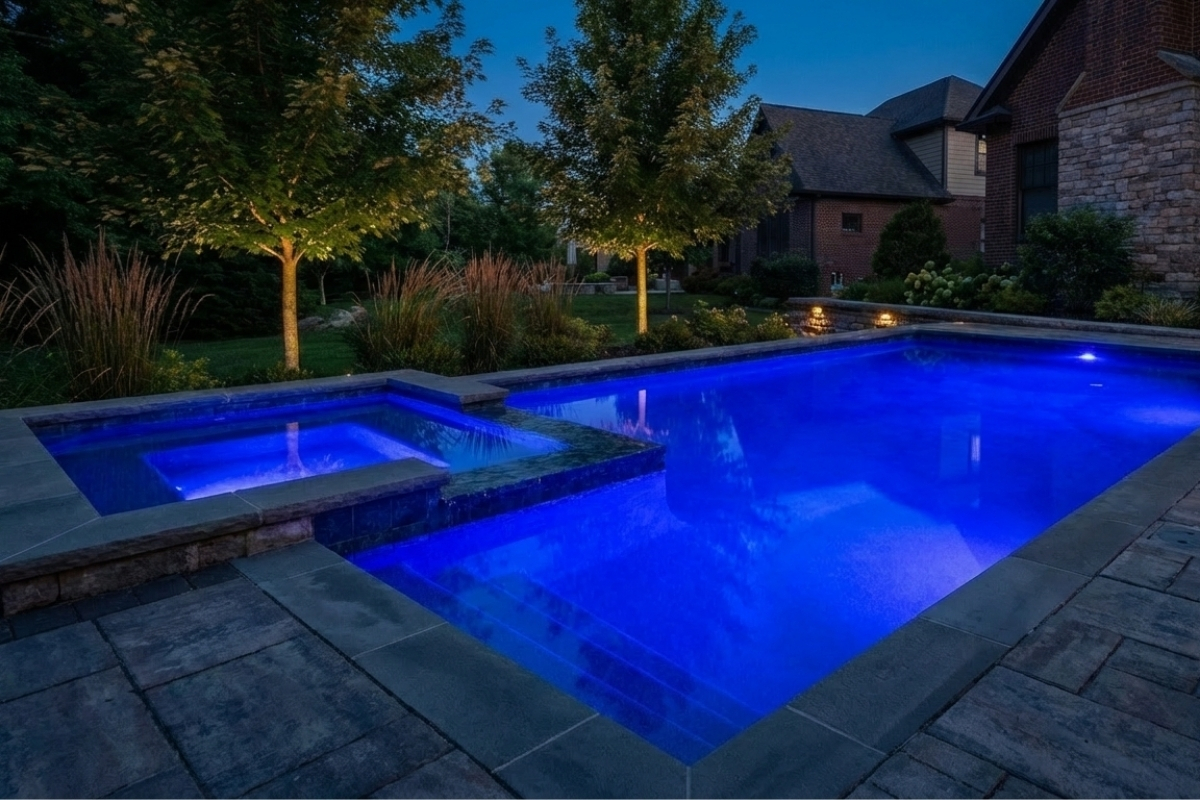
Pool Decks
Slip-resistant, cool-toned pavers rated for pool environments. Set on a porous sand base with wider joints for drainage. Engineered to handle pool chemicals, high water tables, and heavy foot traffic around the deck.
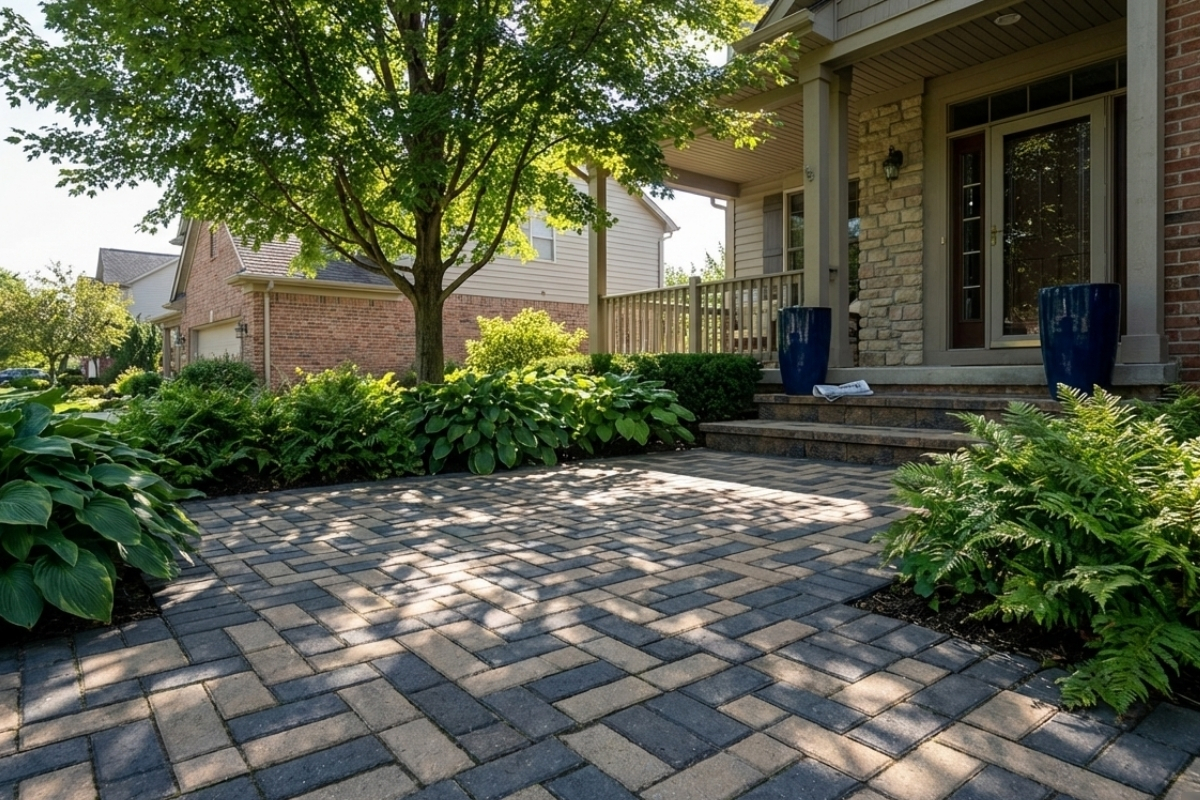
Courtyards and Entryways
Formal entry courtyards, motor courts, and front-of-house hardscapes designed to enhance curb appeal. Careful consideration of geometry, materials, and architectural style — from circular motor courts to large-format paver approaches.
Construction Standards
Our paver installation process follows ICPI (Interlocking Concrete Pavement Institute) standards.
Installation Process
Every paver installation begins with complete excavation down to undisturbed subgrade. Excavation depth is the sum of the base depth, bedding depth, and paver thickness — typically 10–14 inches below finished grade for pedestrian applications, deeper for vehicular.
The base is the most critical layer. It distributes load, provides drainage, and resists movement from frost heave. Shortcuts here are the number one cause of paver failure in Northeast Ohio.
ICPI Construction Sequence
- Excavation: All soil, concrete, and asphalt removed until undisturbed subgrade is reached. Depth is the sum of base, bedding, and paver thickness.
- Geotextile fabric: Non-woven fabric installed over the clay subgrade to prevent migration of fines into the aggregate base.
- Aggregate base: 57 crushed dense-grade limestone, installed in 2–3 inch lifts and compacted to 95% Proctor density with a plate compactor.
- Bedding layer: 1 inch of number 9s, screeded to a uniform thickness. Pavers are placed by hand on the screeded surface.
Edge Restraint
Sturdy aluminum or plastic edging, 6 feet long by 2¼ inches wide. Stakes are 10 inches long and placed 12 inches apart. Edge restraint prevents lateral movement of the paver field and maintains pattern integrity over time.
Compaction
The entire paved surface is plate-compacted using a rubber pad on the roller for textured pavers. This seats the pavers into the bedding layer and locks the interlocking joints together.
Joint Fill
Polymeric sand swept into joints and watered according to manufacturer's instructions. Polymeric sand hardens when activated, locking pavers in place and resisting weed growth and insect infiltration.
Paver Materials and Manufacturers
Interlocking Concrete Pavers
Made from a blend of Portland cement, aggregates, and iron oxide pigments — highly pressured and heat treated to produce uniform, solid, densely compacted units available in hundreds of patterns.
Manufacturers we install:
Cambridge — ArmorTec protection technology with a large selection of color options. Warranty on all models.
Unilock — High-end manufacturer with EnduraColor durability technology. Known for large-format products and modern designs.
Belgard — Broad selection from economical to high-end. Excellent availability in our region.
Techo-Bloc — High-design focus with architectural-style pavers, slabs, and wall systems. Premium pricing, distinctive aesthetic.
EP Henry — Regional manufacturer with competitive pricing and solid performance.
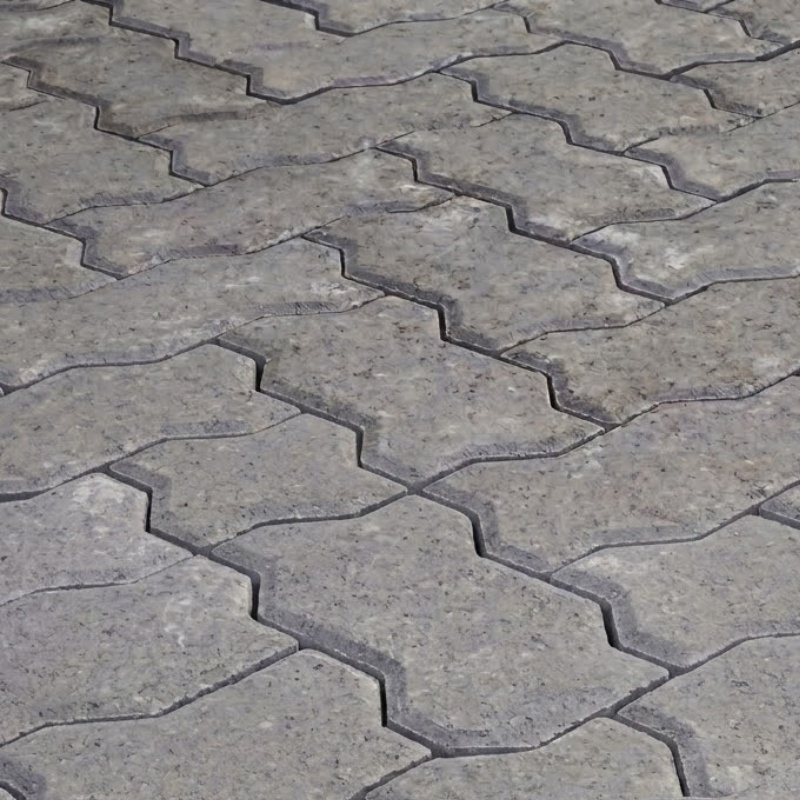
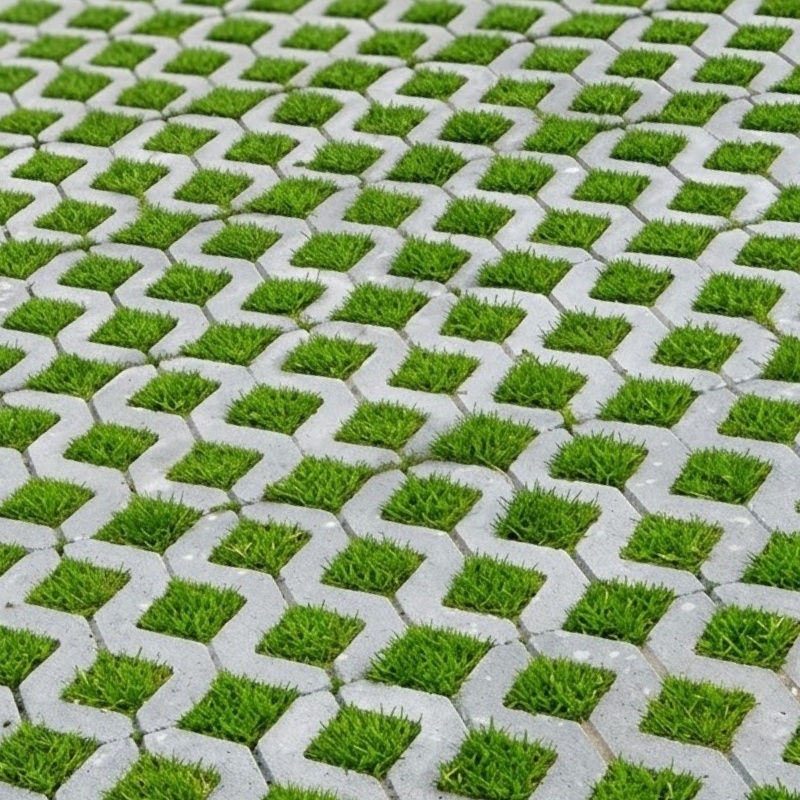
Permeable Pavers
Permeable paver systems allow stormwater to drain through the joints into a reservoir beneath the surface, reducing runoff and allowing groundwater recharge. This can eliminate the need for traditional stormwater management on residential and commercial properties.
A permeable pavement requires a special base layer of open-graded aggregate (without fines) to store and infiltrate rainwater. In clay soils like those found in Northeast Ohio, infiltration rates can be slow, so systems often include overflow or storage to manage excess water.
Several municipalities we serve have stormwater fee reduction programs that allow homeowners to earn credits by installing permeable pavers. We can help you understand which programs are available in your area.
Popular Paver Patterns and Layouts
Herringbone
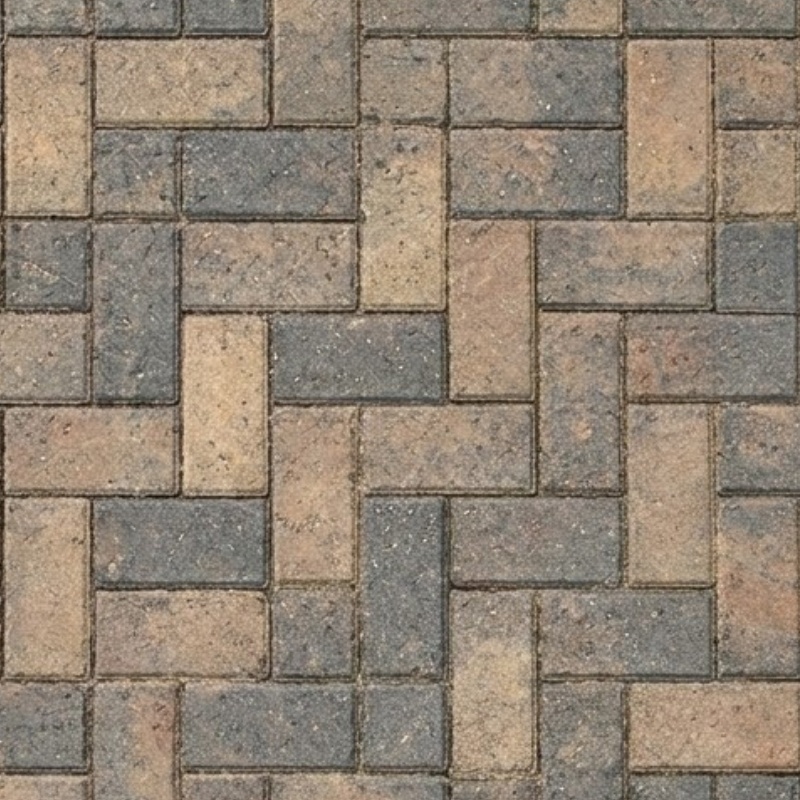
Units interlock at 45 or 90-degree angles, creating one of the strongest paver configurations available. Herringbone distributes load across adjacent pavers rather than transferring it in a straight line, making it the preferred choice for driveways and areas with vehicle traffic. The zigzag visual adds geometric interest to large patio surfaces.
Running Bond
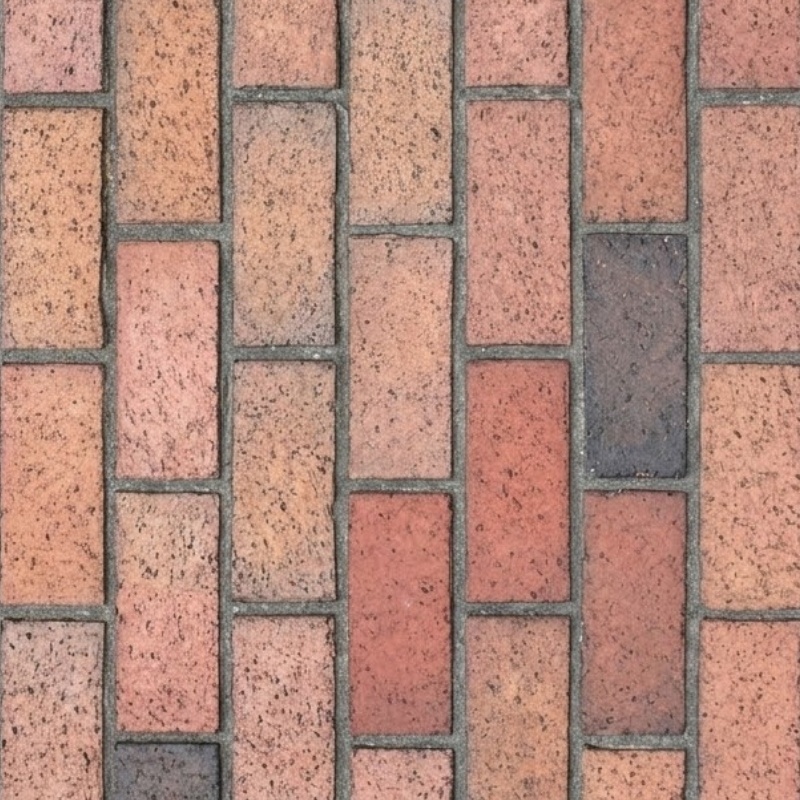
Each row offsets by half a paver length, similar to a traditional brick wall. Running bond is the most common residential pattern because it installs quickly and wastes minimal material on cuts. The staggered joints guide the eye along the longest dimension of the surface, making walkways appear longer and patios feel more expansive.
Basketweave
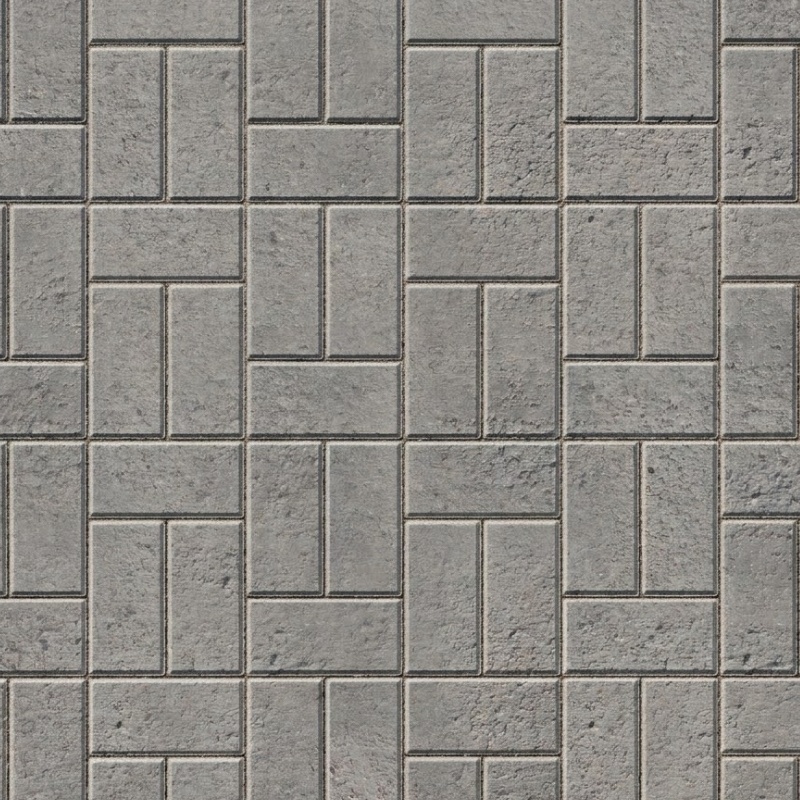
Pairs of pavers alternate between horizontal and vertical orientation, forming a woven texture. Basketweave works well in formal garden settings and courtyard entries where a classic, symmetrical appearance suits the architecture. The pattern requires no angled cuts at straight edges, keeping installation efficient.
Stack Bond
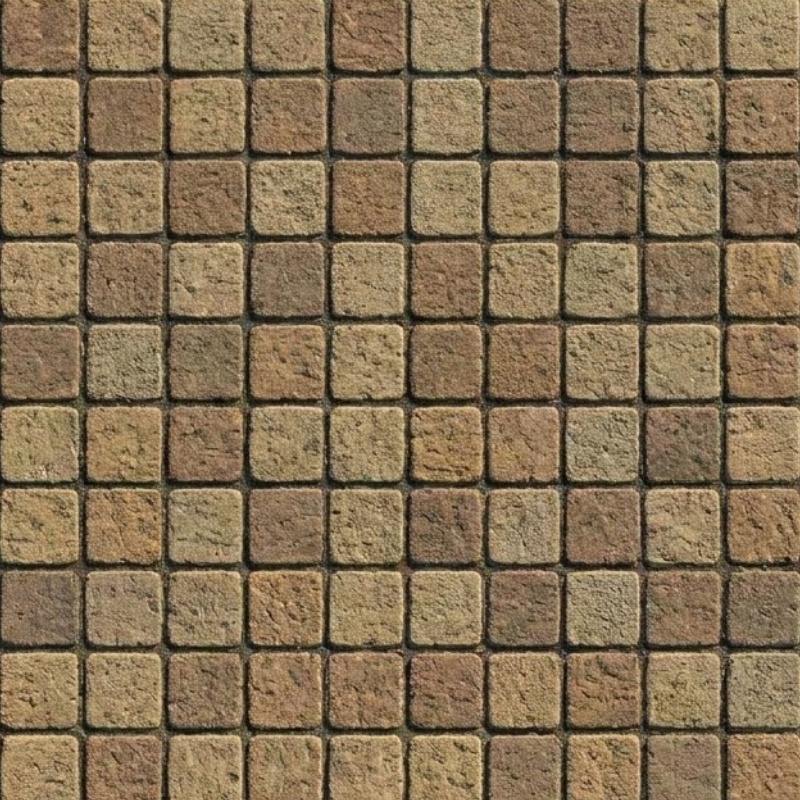
All joints align in a uniform grid, producing a clean modern aesthetic. Stack bond emphasizes straight lines and geometric precision, pairing well with contemporary home styles. Because joints align continuously, this pattern works best on stable, well-compacted bases where minimal shifting is expected.
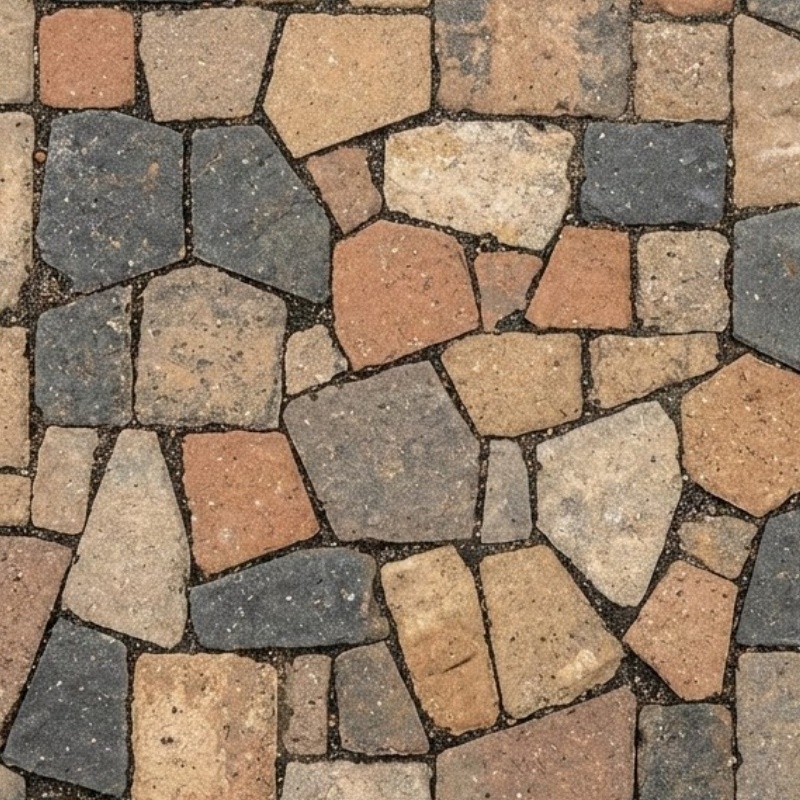
Random Layout
Multiple paver sizes combine without a repeating sequence, creating an organic, natural-stone appearance. Random layouts disguise individual unit lines and make seams less visible across large surface areas. We plan the mix ratios before installation so the randomness looks intentional rather than haphazard.
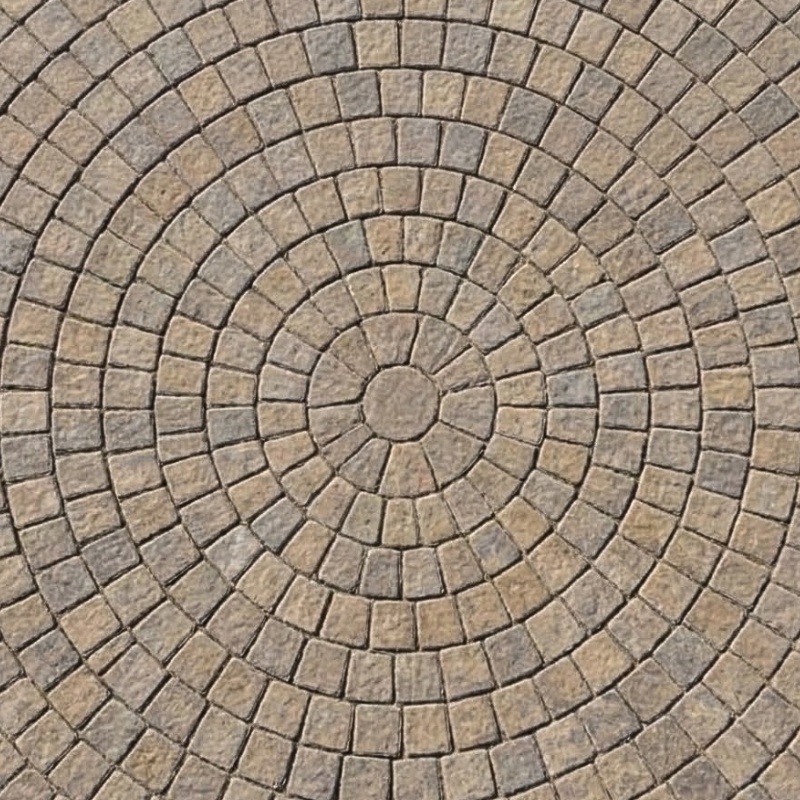
Circular Pattern
Pavers radiate outward from a center point, forming concentric rings that draw attention to a focal feature like a fire pit, fountain, or gathering area. Circular patterns require precise cutting at the perimeter and careful layout planning, but the visual payoff is a dramatic centerpiece that anchors the entire outdoor space.
Our Paver Installation Process
Phase 1
Consultation and Site Evaluation
We walk the property with you to assess existing conditions — soil type, grade, drainage patterns, utility locations, and access for equipment. For paver projects specifically, we evaluate the clay content of the subgrade, measure slopes for water management, and identify any areas where the base will need additional depth or reinforcement. We photograph the site, take measurements, and discuss your vision for the finished surface.
Phase 2
Design
We develop a scaled layout showing the paver field, border treatments, pattern orientation, and any transitions between surface areas. You review material samples — paver color, texture, size, and pattern options — alongside a detailed cost estimate. The design addresses grading for positive drainage, edge restraint placement, and how the paver surface connects to existing structures like the house foundation, garage apron, or adjacent walkways.
Phase 3
Pre-Construction
Before any digging: Ohio 811 utility locate is called and the site is marked. Material orders are confirmed — pavers, 57 crushed aggregate, ASTM C33 bedding sand, geotextile fabric, edge restraint, and polymeric joint sand. For driveway projects, we confirm the base depth meets vehicular load requirements. Equipment delivery is scheduled and the construction sequence is established to minimize disruption to the property.
Phase 4
Construction
Excavation removes all soil down to undisturbed subgrade. Geotextile fabric is placed over the clay to prevent aggregate migration. 57 crushed dense-grade limestone base is installed in 2–3 inch lifts and compacted to 95% Proctor density. Bedding sand is screeded to a uniform 1-inch thickness. Pavers are set by hand on the screeded bed — cuts are made with a masonry saw for clean, accurate edges. Edge restraint is staked into position. The entire surface is plate compacted, and polymeric sand is swept into the joints and activated with water.
Our crews complete each zone to finished grade before moving to the next, minimizing exposure to weather and keeping the site orderly throughout the project.
Phase 5
Completion and Walkthrough
The site is cleaned, excess materials are removed, and any disturbed lawn areas are restored with seed or sod. We walk the finished paver surface with you to inspect joint fill, edge restraint, and drainage performance. We provide care instructions covering polymeric sand reapplication, sealing options, stain removal, and seasonal maintenance. Warranty documentation is provided for both materials and workmanship.
Paver Installation and the Larger Outdoor Living Picture
Paver Installation is rarely the only thing happening on a project. Most of our builds combine paver installation with one or more of the following:
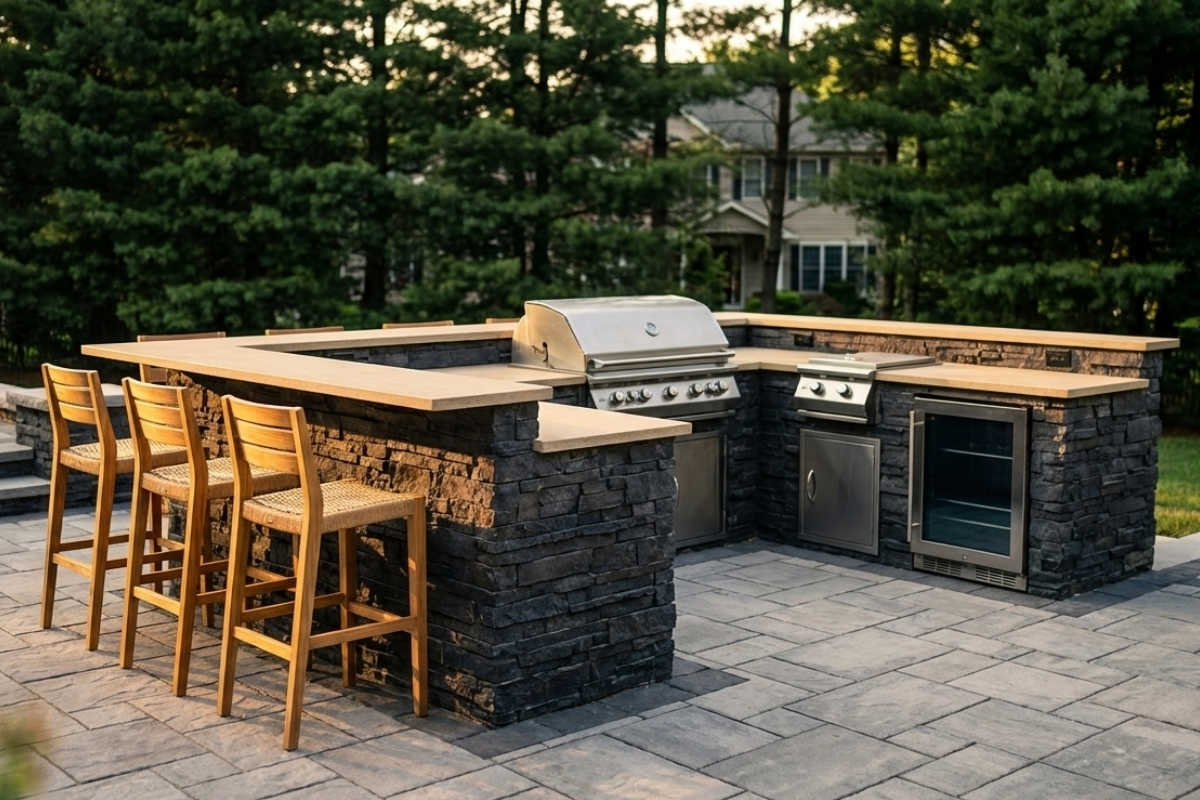
Outdoor kitchens
Paver surfaces support outdoor kitchen islands and counters. We match paver patterns around the kitchen footprint and reinforce the base where heavy appliances sit.
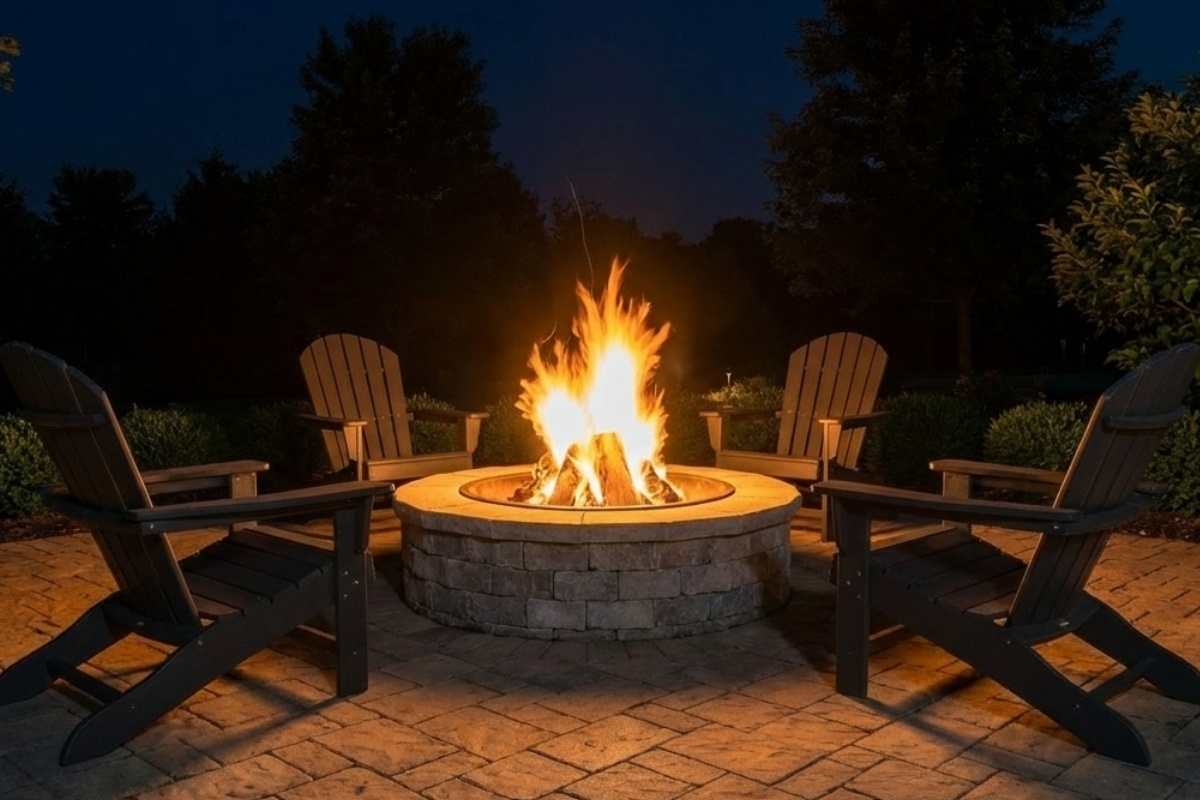
Fire features
Fire-rated pavers surround fire pits and fireplaces safely. We install non-combustible borders and integrate gas lines beneath the paver surface during the initial lay.
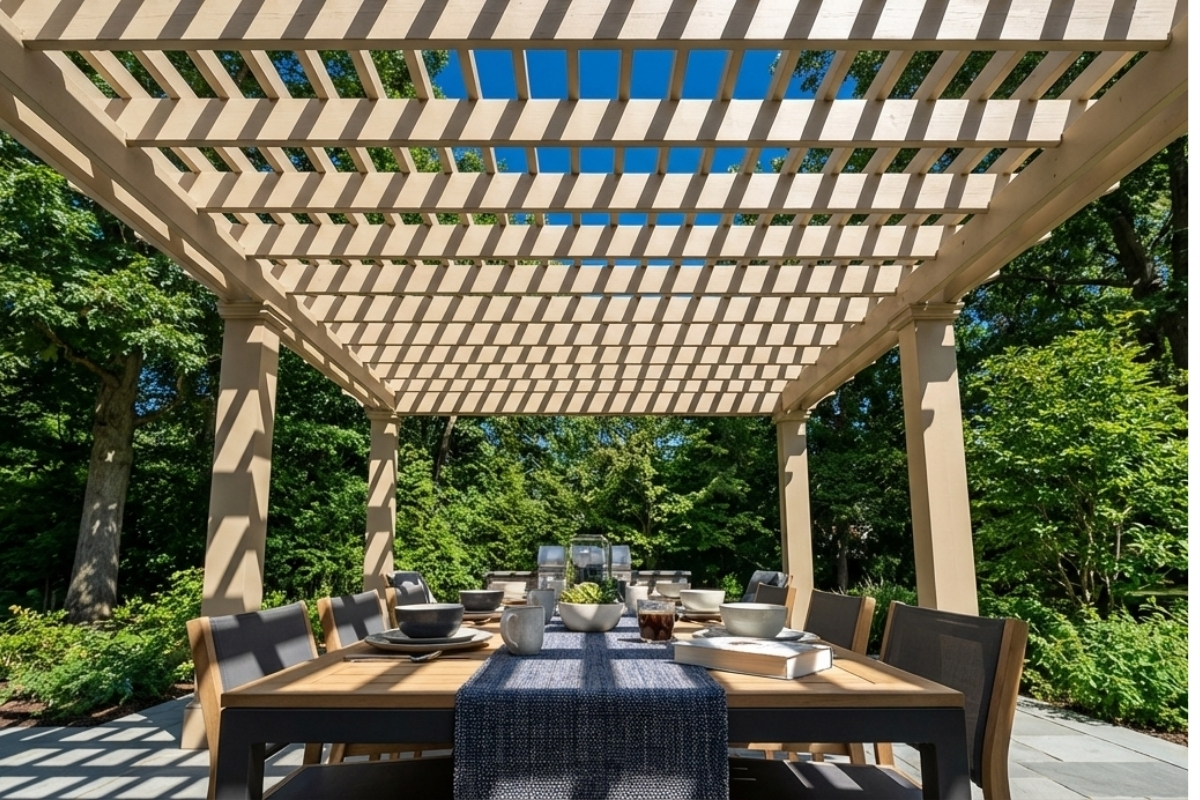
Pergolas and shade structures
Pergola post footings are set before pavers go down. We coordinate both installations so paver patterns flow around structural columns without awkward cuts or gaps.
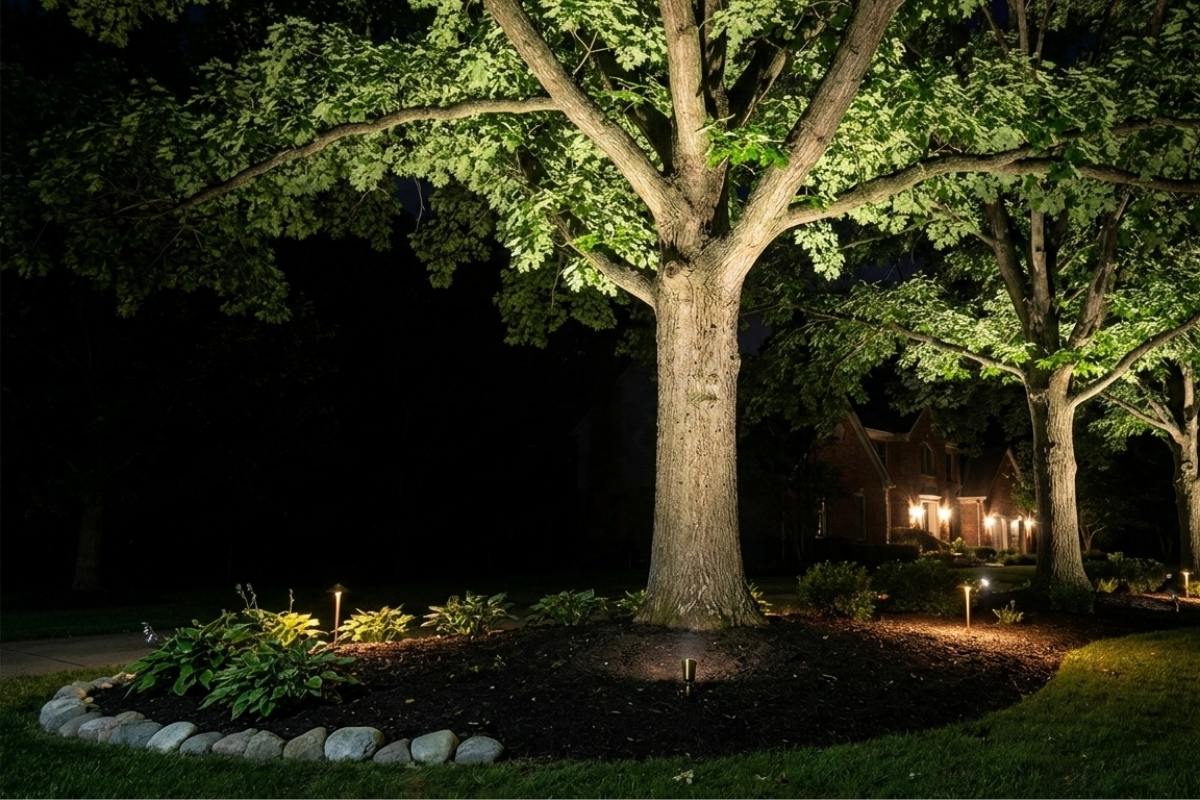
Landscape lighting
In-paver LED lights and low-voltage conduit are installed during the paver lay. Building lighting into the surface means no visible wires and no future trenching.
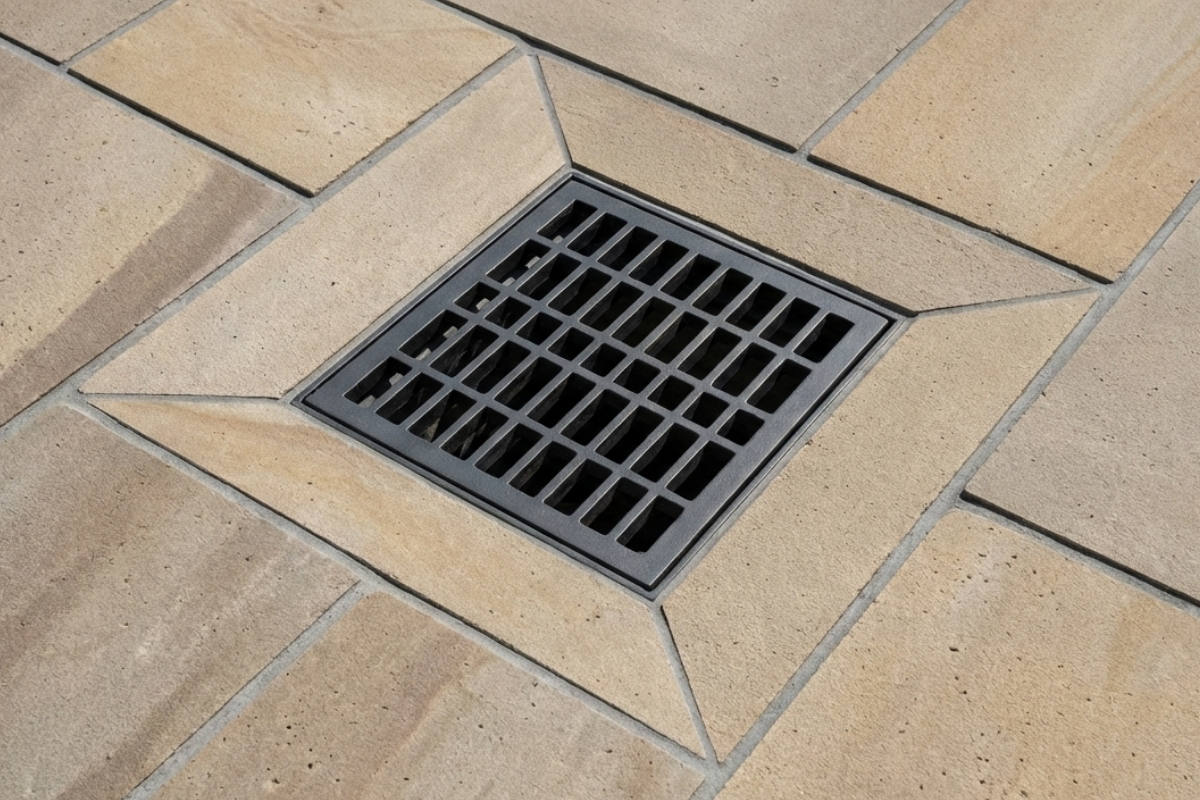
Drainage systems
Permeable pavers and channel drains manage stormwater right at the surface. We design paver slopes and drainage paths together so water moves off the surface efficiently.

Irrigation and Sod
Paver borders meet lawn edges cleanly when irrigation is planned alongside the hardscape. We reroute sprinkler heads and set edge restraints so both systems coexist.
Areas We Serve
Bee Green Outdoor Living designs and installs custom paver systems across Northeast Ohio:
Returning to overview…
Click any city to explore
This map highlights many of the communities where we regularly work. If you don’t see your area listed, give us a call — we’d love to discuss your project.
Frequently Asked Questions
How much do pavers cost compared to concrete?
Paver installation costs between $25-$45 per square foot for walkways and $30-$55 per square foot for driveways. Concrete generally costs between $8-$15 per square foot and stamped concrete between $15-$25 per square foot. Pavers are more expensive to lay down initially but are less likely to crack and require less upkeep. Pavers need to be re-sealed every 2-3 years. After 20 years the cost of ownership of pavers, concrete and sealed stamped concrete will be equal.
How long does paver installation take?
A 400’ of patio area can take between 3–5 days to complete including excavation, base and pavement surface. A full paver driveway can take anywhere from 5–8 days provided the area falls within the 600–1,000 square foot range. Multi-element projects which involve the construction of retaining walls, steps and numerous functional areas can take anywhere from 2–4 weeks. Please remember weather conditions will always affect your estimated timeframe.
Do pavers require maintenance?
Every year we power sweep the pavers, do an occasional pressure wash (using a fan tip and medium pressure) and do annual weeding between the pavers. We recommend reapplying the Polymeric Sand every 5-8 years. Most food, and leaf stains and grease spots on pavers can be removed by using a paver cleaner. While regular maintenance on pavers is small, the maintenance on concrete is even smaller, yet required more frequently for repair of cracks and resealing. While the maintenance on asphalt is a bit higher, the resealing and repairs are needed less frequently than with concrete and the repairs are smaller as well.
Can pavers be installed over existing concrete?
Yes. There are many instances where concrete slabs that are adequate for the design and location of a paver system and therefore may be paved with a minimum of preparation. These circumstances include: - the concrete slab is structural sound and is level and grade correctly - there are no severe cracks in the concrete - the concrete does not have any significant evidence of differential settlement or heaving such new concrete will need to be adequately tested to ensure it will support the heavy loads that pavers and underlying materials will be subjected to We look at each situation on a case-by-case basis.
What happens if a paver cracks or settles?
Individual pavers are replaceable. The damaged paver is pulled and the material in the void is brought to grade and a new matching paver dropped into place. This is a very different approach than working with monolithic concrete where an entire slab needs attention and the repair process is longer and more costly. In the case of more substantial sink areas we are often able to lift an area of pavers using a coring saw or by jacking the slabs up with a system of jacks and shim’s, re-compacting the underlying material, adjusting the grade to match the surrounding area and re-laying the pavers.
Bee Green Outdoor Living provides paver installation throughout the Northeast Ohio area. Get a free estimate today! Call to inquire about installing pavers for your upcoming outdoor renovation.