
Custom Patio Builders in Northeast Ohio
- Home
- Patio Installation in Northeast Ohio
Signature Spaces for Entertaining
Transform your backyard into a sophisticated gathering space for dining and relaxation. As the most utilized component of your landscape, your patio is a long-term investment that must perform flawlessly under the demands of everyday life.
Exceptional hardscaping should feel completely effortless. A properly engineered foundation goes unnoticed, allowing you to simply enjoy the space without a second thought. Achieving this permanence requires an uncompromising approach to precise excavation, aggregate thickness, and water management.
Poor construction quickly reveals itself during heavy rains or freeze-thaw cycles through shifting stones and pooling water. By prioritizing the invisible engineering beneath the surface, we ensure your patio remains perfectly level and structurally sound through decades of harsh Ohio weather.
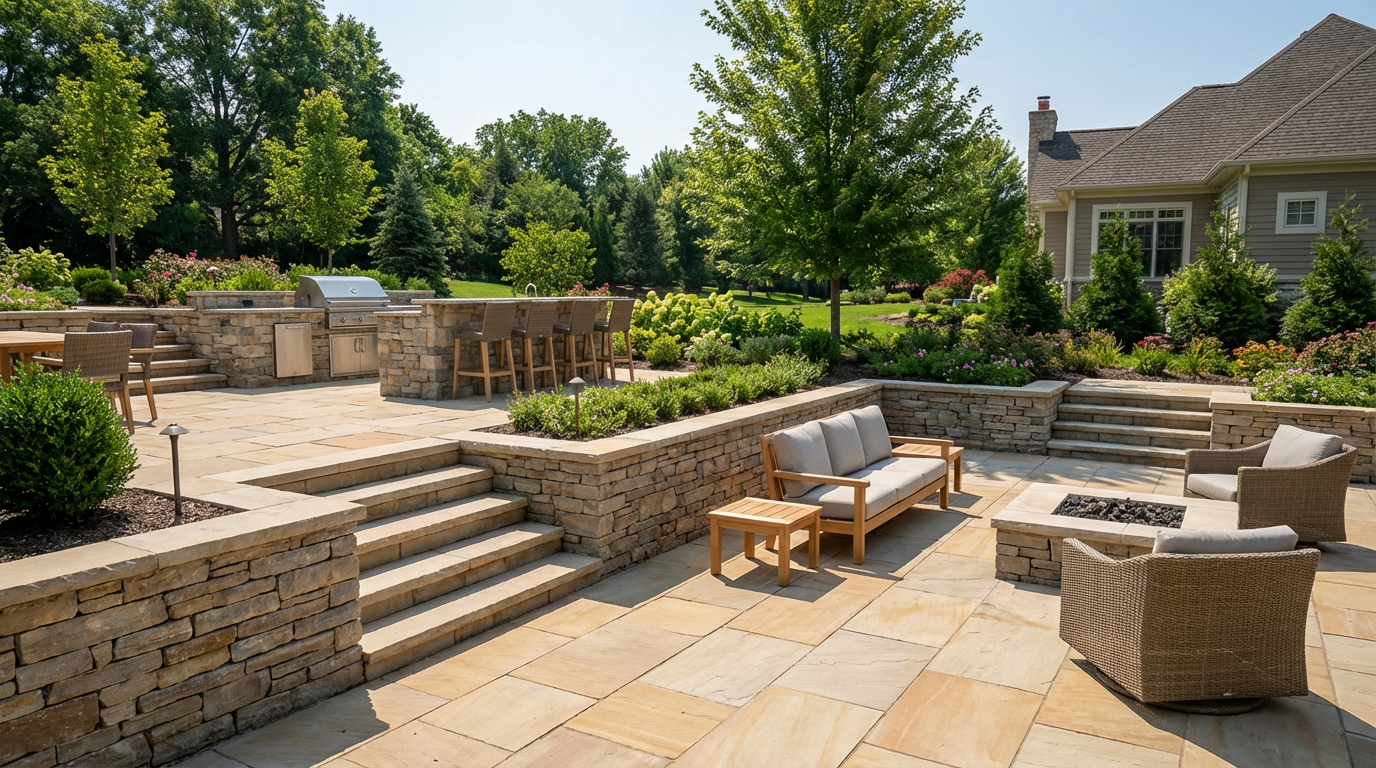
At Bee Green Outdoor Living, we design and construct premium custom patios that enhance your entire exterior living space. Serving Greater Cleveland, Akron, Medina, and the surrounding communities, we specialize in high-end natural stone, premium pavers, and architectural concrete.
No matter which material you choose for your design, your new gathering space is guaranteed to sit squarely on a professionally engineered foundation—built specifically to master the unique clay soil and climate of Northeast Ohio.
What a Patio Installation Includes
A patio installation is more than just laying pavers on the ground. Every project involves engineering a foundation, managing drainage, and finishing with precision — here’s what goes into the process.
Components of a patio installation
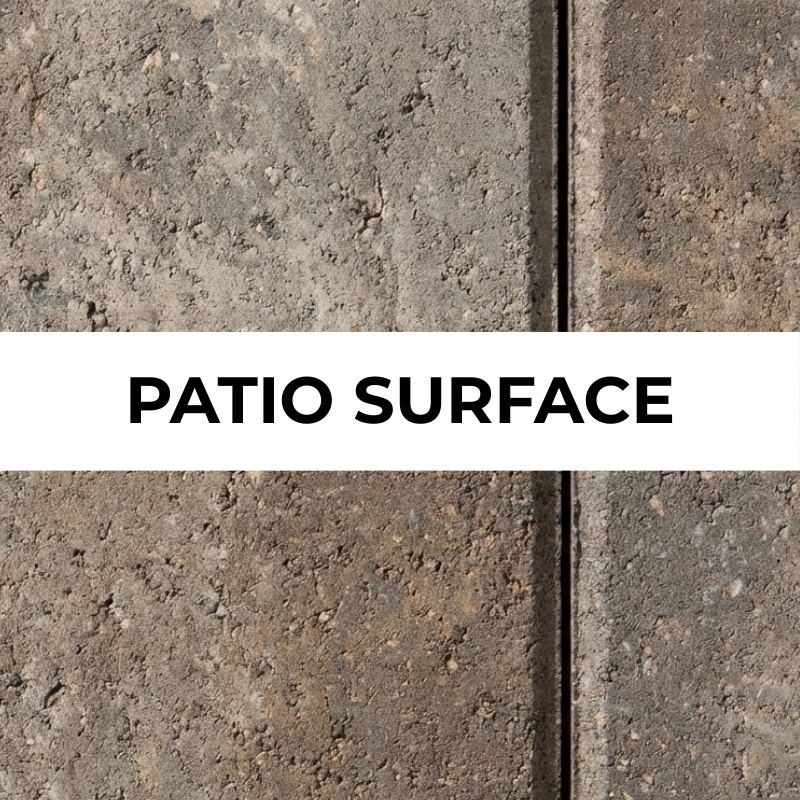
Patio Surface
Your choice of pavers, natural stone, porcelain, or stamped concrete — selected for your aesthetic, budget, and the demands of Northeast Ohio’s climate.
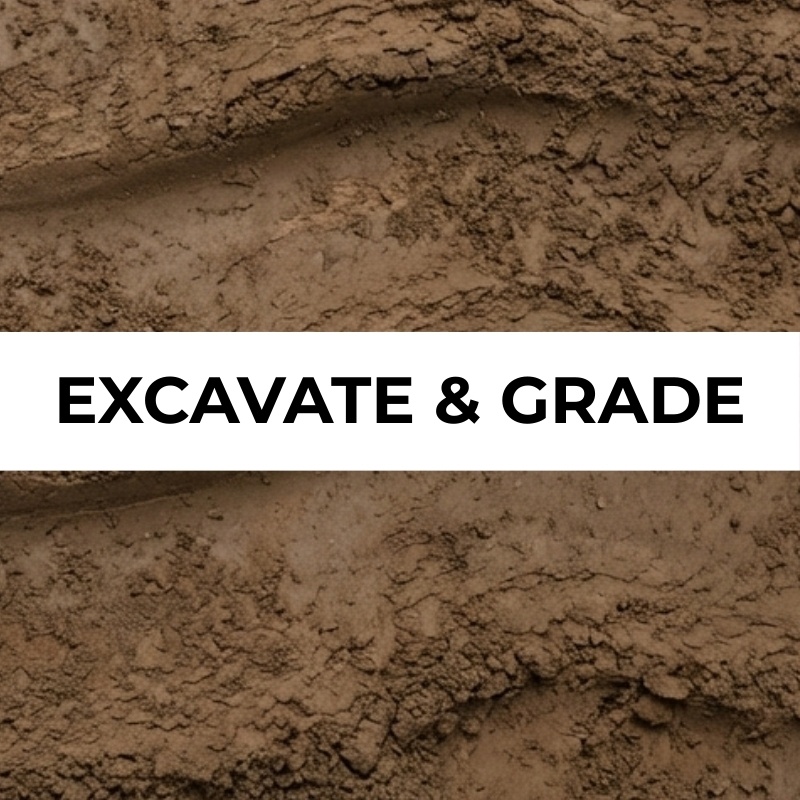
Excavation & Grading
Topsoil, root systems, and organics removed down to undisturbed subgrade — typically 10 to 14 inches in our clay-heavy soil. The sub-grade is proof-rolled to identify weak spots.
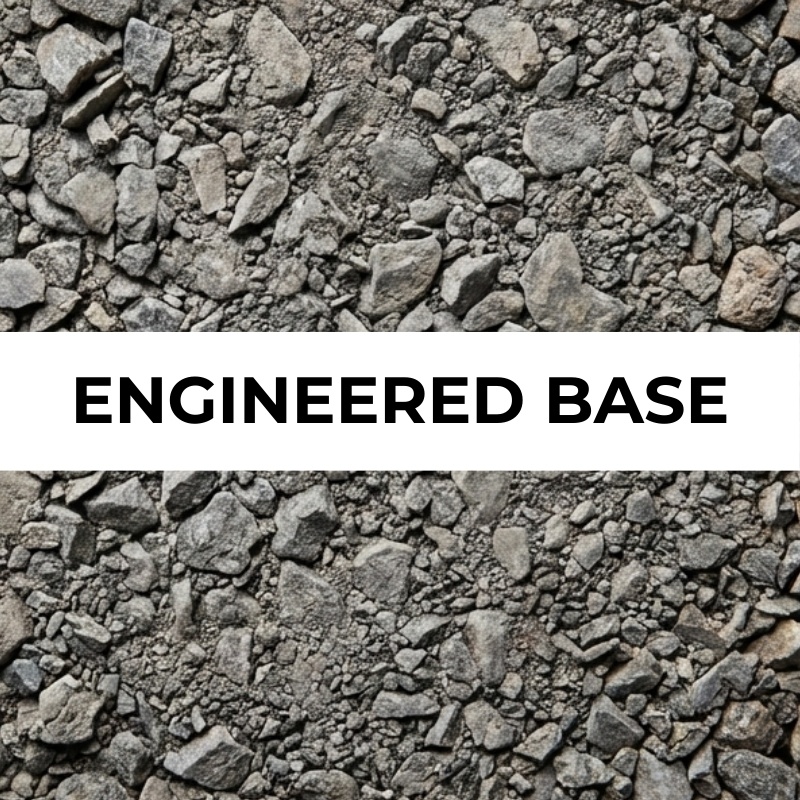
Engineered Base
Six to eight inches of processed dense-grade aggregate installed in lifts and compacted to 95% Proctor density. Each layer is compacted separately — not dumped and rolled once.
Bedding & Setting
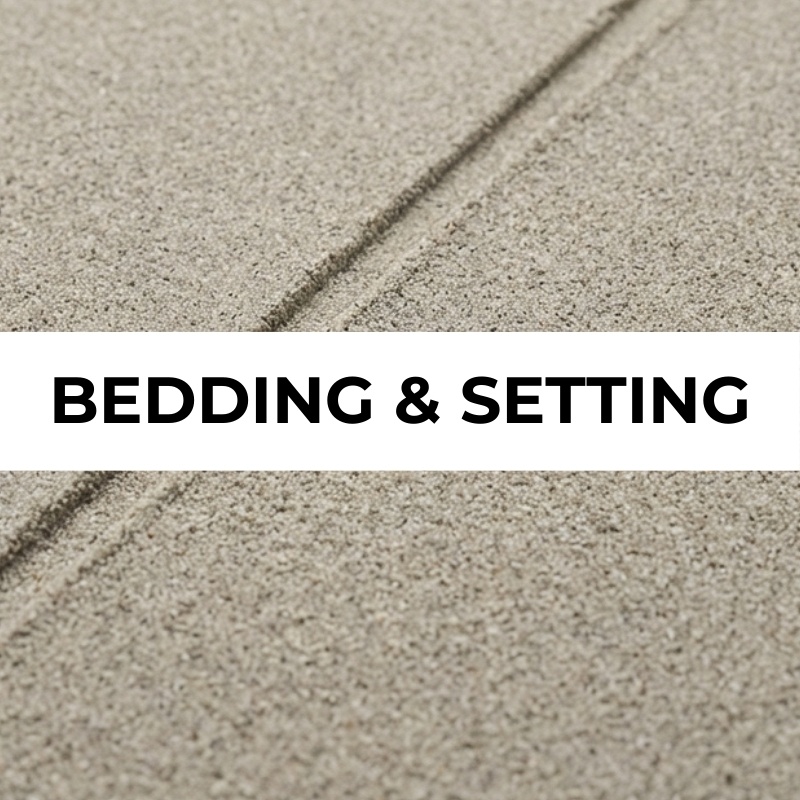
One inch of number 9s or granite screenings screeded to a uniform thickness with pipe rails. This precision layer provides the setting surface for every paver or stone.
Drainage Integration
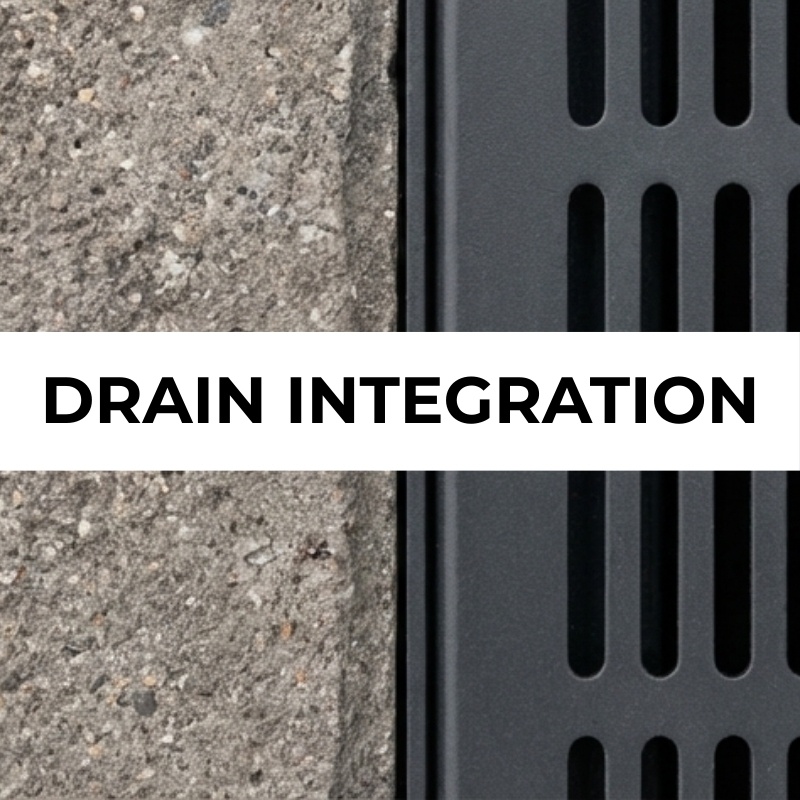
Positive grading away from structures, catch basins at low points, channel drains against the house, and French drains where needed — all planned before the first paver is set.
Edge Restraint
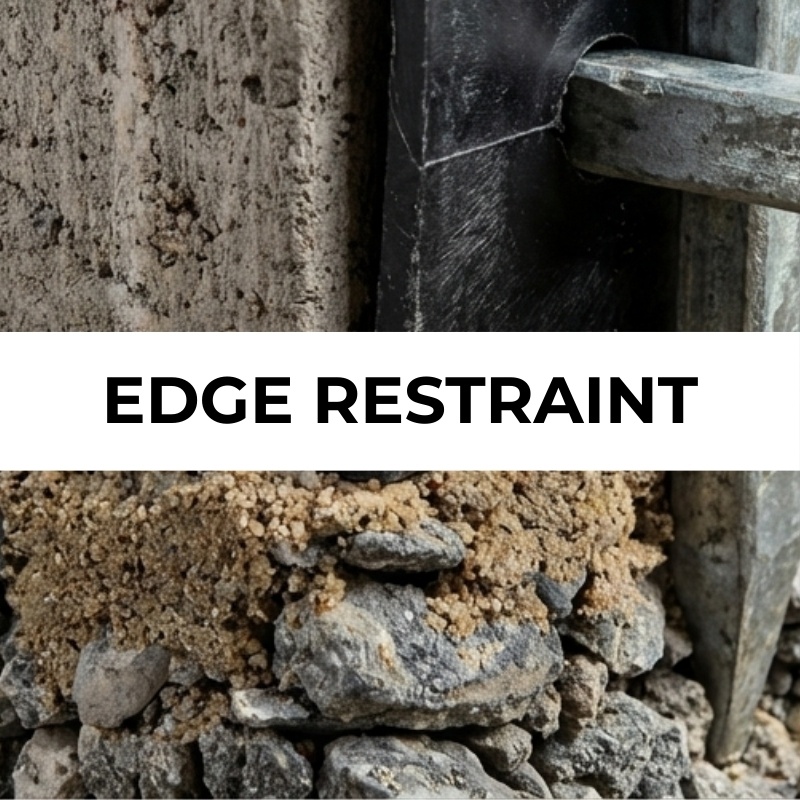
Rigid aluminum or heavy-duty plastic edging staked with 10-inch spikes along every exposed paver edge. Natural stone gets a concrete or mortar haunch at exposed borders.
Joint Stabilization
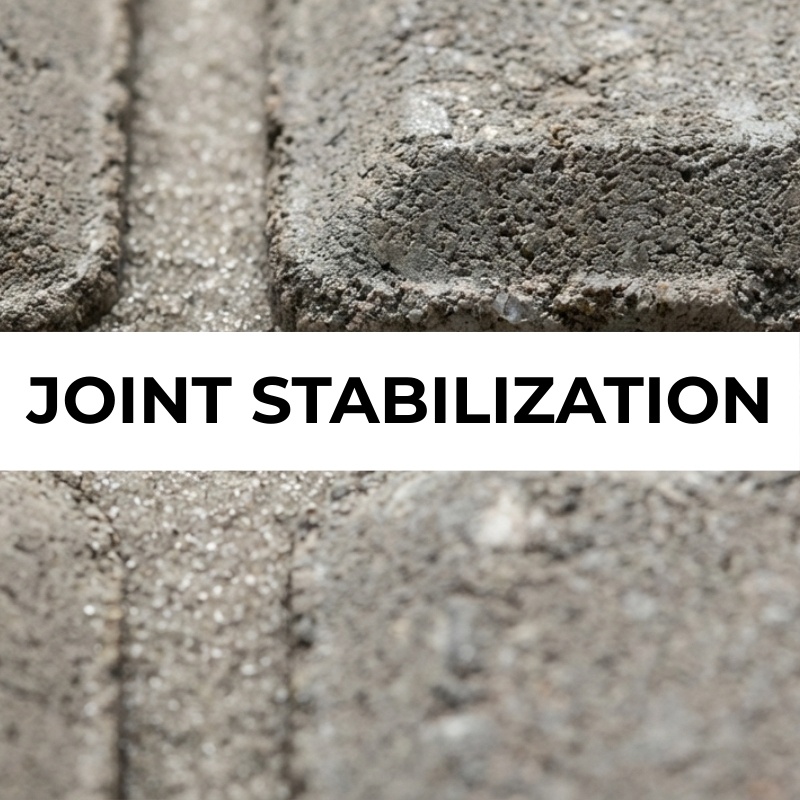
Polymeric sand fills every joint, hardens with water, and locks pavers in place while resisting weed growth and insect infiltration. Dramatically reduces maintenance for years.
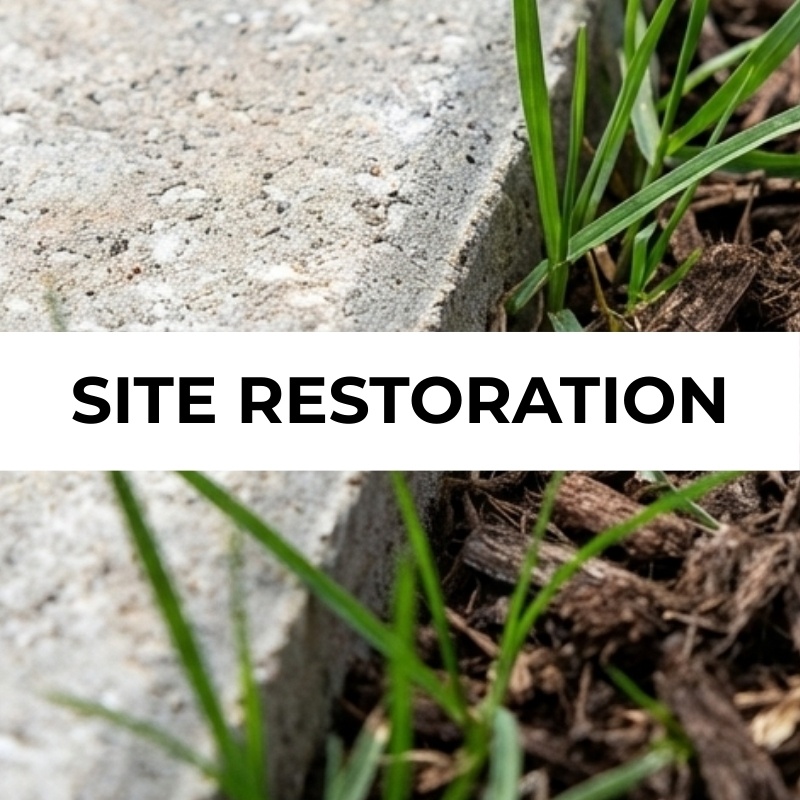
Site Restoration
After installation, disturbed lawn areas are restored with seed or sod. Plantings, mulch beds, and landscape features around the patio are repaired or established.
What's Under Your Patio Matters More Than What's On Top
Most patio failures in Northeast Ohio aren’t surface problems — they’re base problems. Clay soil, 5+ feet of frost penetration, and heavy seasonal rain punish every shortcut buried underground. Here’s how we build a patio that stays flat, drains properly, and holds up for decades.
Why the Base Matters More Than the Surface
The material you walk on is probably the least important component of a patio. The base is what guarantees the structure will remain level, will drain properly and won’t shift over the next 20 years.
Many budget contractors and online DIY resources recommend a patio base made of 2 inches of gravel and 1 inch of sand. In Northeast Ohio, where the clay subgrade has a tendency to liquefy as it becomes wet, the inadequacies of a thin base are revealed quickly — shifting caused by settling of the subgrade, humping caused by uneven settling, and massive joint cracks. These problems require fixing at a price many times that of proper preparation in the first place.
Our base construction standard
- Excavation: We excavate down to undisturbed subgrade, removing all topsoil, root systems and organics. In Northeast Ohio's clay soil, this means excavating 10–14 inches below finished grade. The sub-grade is then proof-rolled with the weight of large rollers to evaluate and correct any weaknesses.
- Geotextile fabric: Non-woven geotextile is placed over the clay sub-grade before any aggregate. It prevents clay from being drawn up into the aggregate layer over time. In clay-rich soils like ours, this is not optional — it is a required structural component.
- Aggregate base: 6–8 inches of processed dense-grade aggregate (57 crushed limestone), installed in lifts of 2–3 inches and compacted to 95% Proctor density with a plate compactor (minimum 5,000 lbs force). Each lift is compacted separately — dumping 8 inches and compacting once doesn't achieve adequate density.
- Bedding layer: 1 inch of number 9s or granite screenings, screeded to a uniform thickness with pipe rails. This is the precise setting surface — screeded, not compacted. Pavers adjust to final thickness when placed and surface plate-compacted.
Drainage
Every patio drains somewhere — and that somewhere needs to be decided before a single paver is laid. We use surface drainage away from the house, catch basins at the low end of the patio, channel drains where the patio meets the house, and underground French drains surrounding the patio and yard.
Edge Restraint
Pavers without edge restraint migrate outward over time. The joints open, the pattern loosens, and the surface destabilizes. We install rigid paver edging (aluminum or heavy-duty plastic) staked with 10-inch spikes on every paver installation. Natural stone and flagstone installations receive a concrete or mortar haunch at exposed edges.
Joint Stabilization
Paver joints filled with conventional sand wash out with rain and harbor weeds. We use polymeric sand as our standard joint fill. Polymeric sand hardens when activated with water, locking pavers in place and resisting weed growth and insect infiltration. It needs reapplication every 5–8 years but dramatically reduces maintenance during that period.
Popular Patio Materials
Premium Pavers
The most common and versatile patio material in our region. Manufactured pavers are factory-made to have uniform length, width, color, and strength. They sit on a sand bedding layer that distributes loads evenly and allows slight movement without cracking.
Strength: Compressive strengths of 8,000+ PSI for pedestrian use — roughly double poured concrete. Vehicular-rated pavers exceed 10,000 PSI.
Pavers are individually replaceable if damaged, available in hundreds of shapes, colors, textures, and sizes, require no curing time, and their flexible joint system tolerates minor frost heave without surface cracking.
We work with Cambridge, Unilock, Belgard, Techo-Bloc, and other manufacturers. Patterns range from traditional tumbled cobble to modern large-format slabs in running bond, herringbone, and custom random layouts.
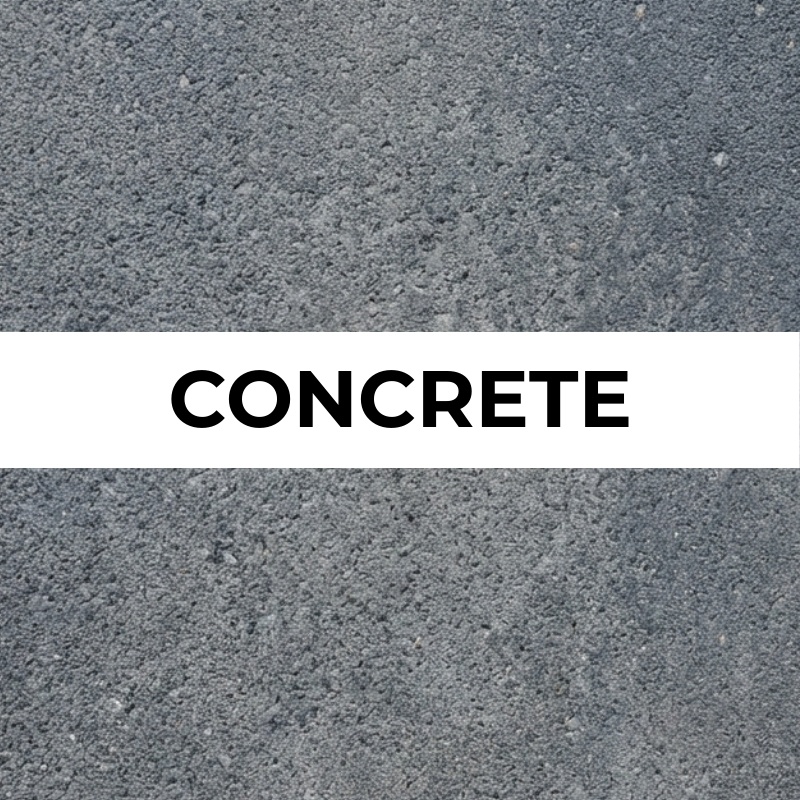

Natural Stone
Bluestone, limestone, granite, travertine, flagstone, and fieldstone. Natural stone provides a character and visual depth that manufactured products can’t replicate. Each piece is unique in color, texture, and veining.
Natural stone costs more per square foot and requires more skilled installation — irregular sizes demand more cutting and fitting. Some stones require sealing for stain resistance. Dimensional stone cut to uniform thickness is simpler to install than irregular flagstone.
In Northeast Ohio, it is essential to select varieties rated as freeze-thaw resistant. We source from local quarries and always choose varieties that perform in our climate. Soft sandstones and some limestones that prove adequate in milder southern climates will pit and erode within two Ohio winters.
Porcelain Pavers
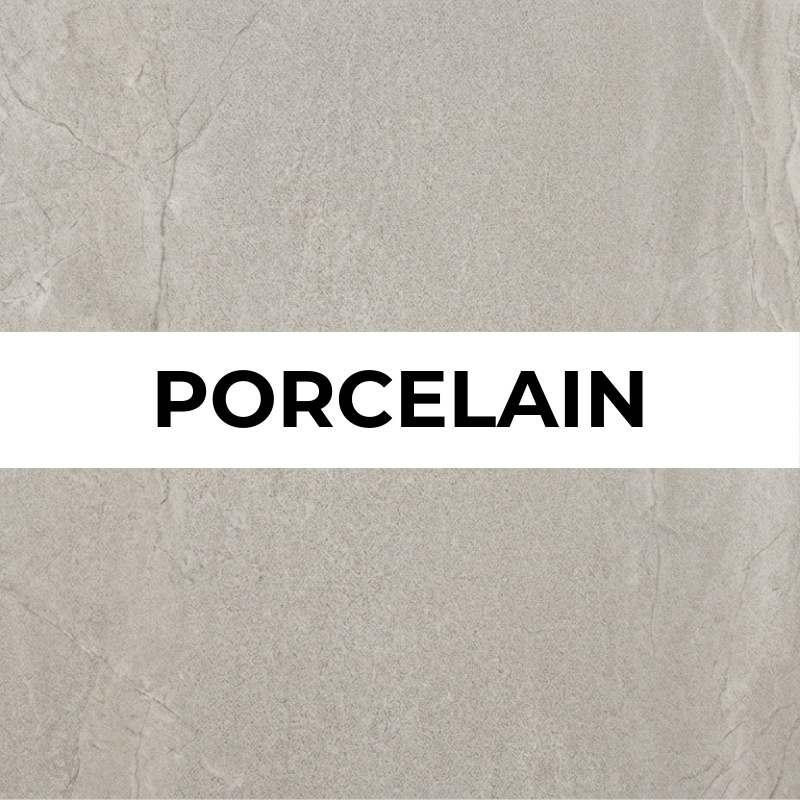
Porcelain pavers are a premium material increasingly used on higher-end residential projects. Baked at very high temperatures, porcelain has near-zero water absorption (less than 0.5%), making it exceptionally freeze-thaw resistant for Northeast Ohio’s climate.
Available in large-format sizes up to 24×48 inches, porcelain creates a clean, contemporary aesthetic with thin joints. It won’t stain from food, wine, grease, or leaf tannin, and the color stays consistent across the full production run.
Porcelain costs more than concrete pavers and requires a higher level of workmanship — tighter tolerances for a flat base are essential with large-format slabs — but the result is well worth the extra investment on the right project.
Stamped Concrete
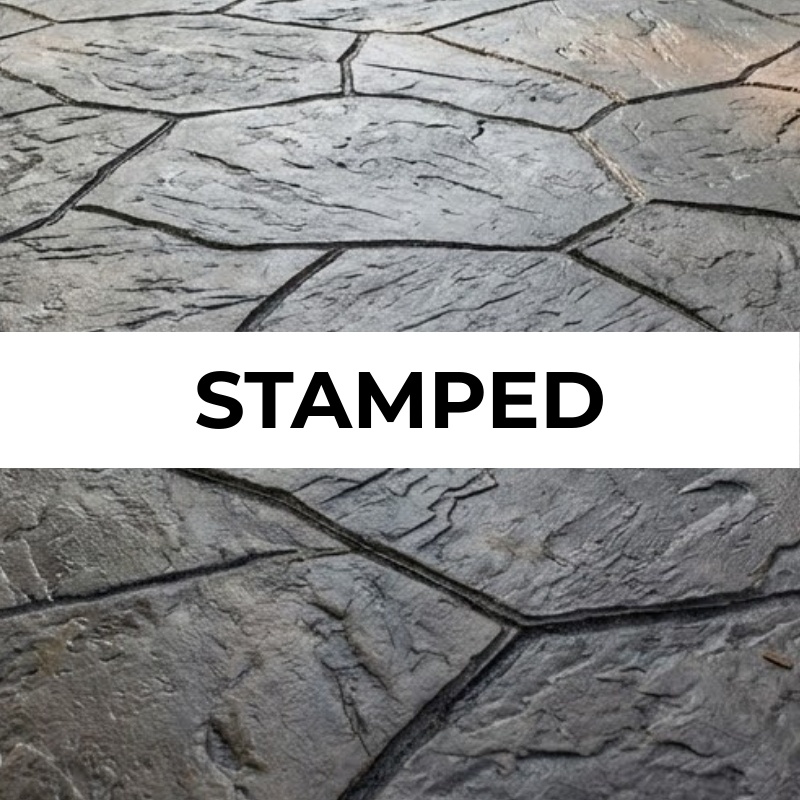
A monolithic, poured surface with stamped patterns and integral or surface-applied color that can resemble stone, brick, or slate. Stamped concrete is a good choice for large uniform surfaces, pool surrounds, and areas where a smooth appearance is desired.
Unlike pavers, stamped concrete does not offer individual-unit replaceability. Cracks will develop over time (as with any concrete surface), but they can be controlled with proper joint spacing. Initial costs for large areas are generally lower than pavers. You will need to reseal the surface every 2–3 years to maintain appearance.
Our Patio Installation Process
Step 01
Consultation and Site Evaluation
We walk the property with you, evaluate existing conditions (grade, soil, drainage, utilities, access), discuss your goals, and take measurements. We photograph the site and note any constraints — mature trees with root zones, utility easements, setback requirements, HOA rules.
Step 02
Design
We develop a scaled plan showing all proposed hardscape elements, material selections, grading, drainage, and relationships to existing structures and landscape features. Material samples are presented for review. The design includes dimensions, quantities, and a detailed cost estimate.
Step 03
Pre-Construction
Before any digging: utility locate is called (Ohio 811), the site is marked, material orders are confirmed, and the construction sequence is established. For large projects, we schedule equipment delivery and coordinate any subcontracted trades (gas, electrical).
Step 04
Construction
Excavation and grading come first. Base material is installed and compacted. Drainage infrastructure goes in. Then the finish surface — pavers, stone, concrete — is set. Walls are built from footing to cap. Steps, borders, and edge restraint are installed. Joint fill is applied and activated.
Our crews work through each phase sequentially within each project zone. We don't excavate the entire site and leave it open for weeks. We complete each area to finished grade before moving to the next, minimizing disruption and exposure to weather.
Step 05
Completion and Walkthrough
The site is cleaned, disturbed lawn areas are restored (seed or sod), and we walk the finished project with you. We explain maintenance requirements, demonstrate any integrated systems (lighting, drainage), and provide warranty documentation.
Patio Installation and the Larger Outdoor Living Picture
A patio installation is rarely the only thing happening on a project. Most of our builds combine the patio with several complementary services — planned and constructed together so everything integrates properly.
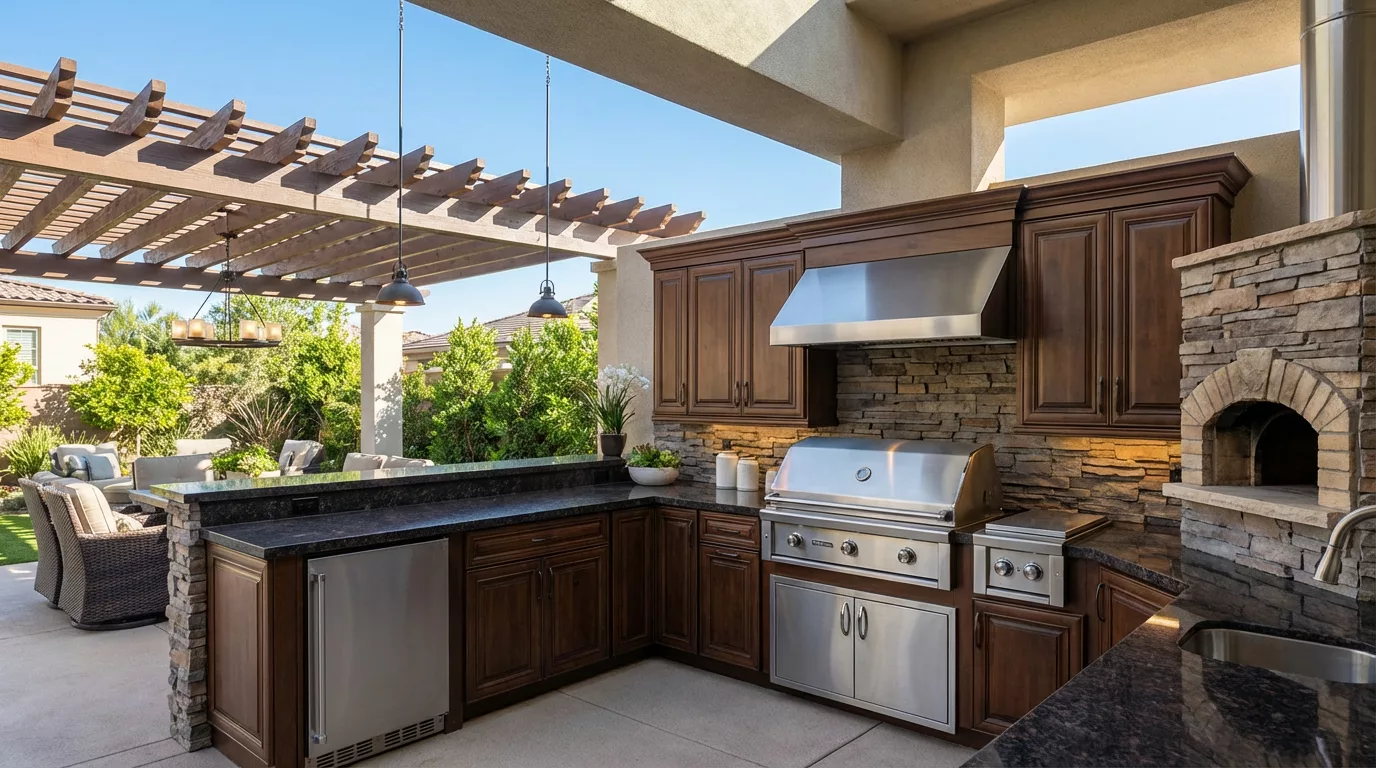
Outdoor kitchens
An outdoor kitchen sits directly on your patio. We reinforce the base, run utility conduits, and pour footings during patio construction so the kitchen installs seamlessly.
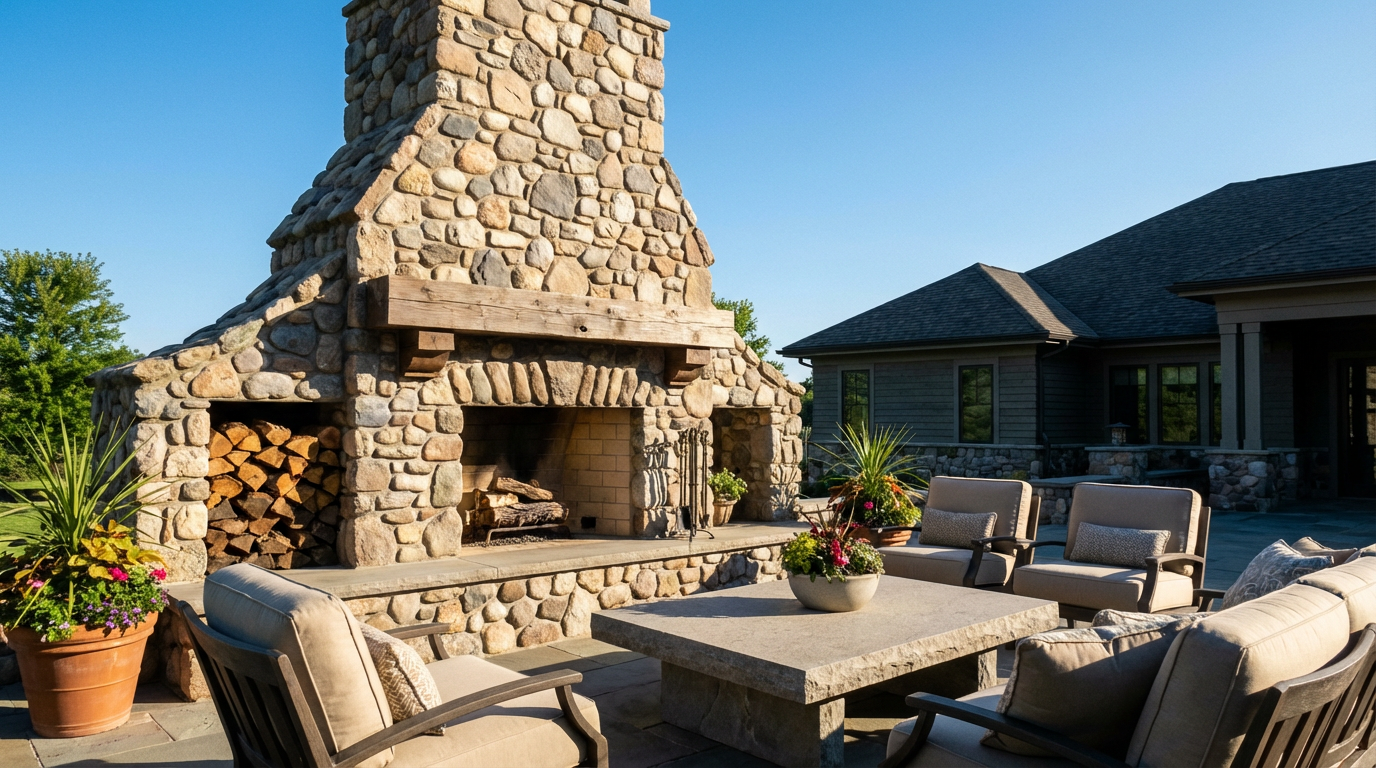
Fire features
Fire pits and fireplaces are built into the patio surface. We set heat-rated pavers and gas line stub-outs during installation so your fire feature integrates cleanly.
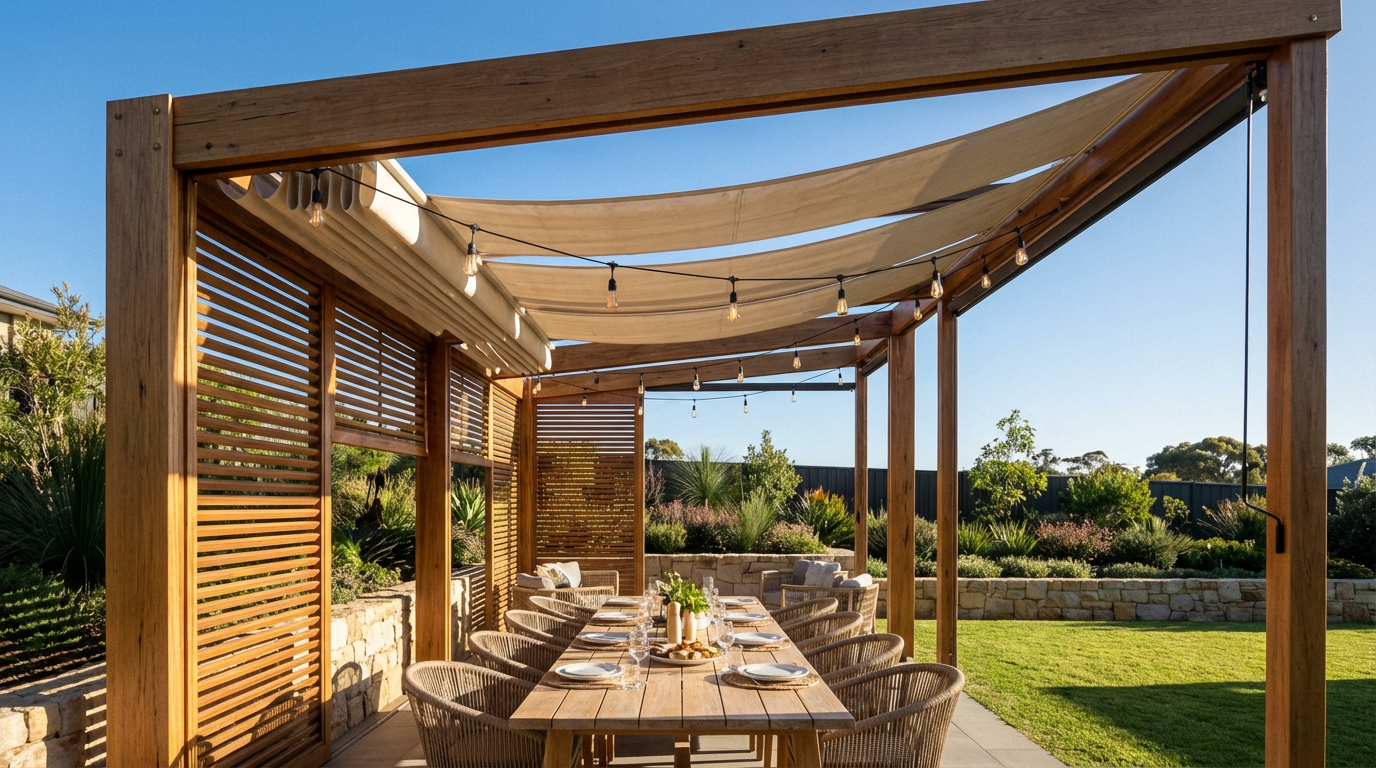
Pergolas and shade structures
Pergola footings are poured during patio base preparation. We position post anchors before setting pavers so the shade structure and patio share one unified foundation.

Landscape lighting
Recessed paver lights, step lights, and low-voltage conduit are laid during patio construction. Planning lighting with your patio means no cutting or retrofitting later.
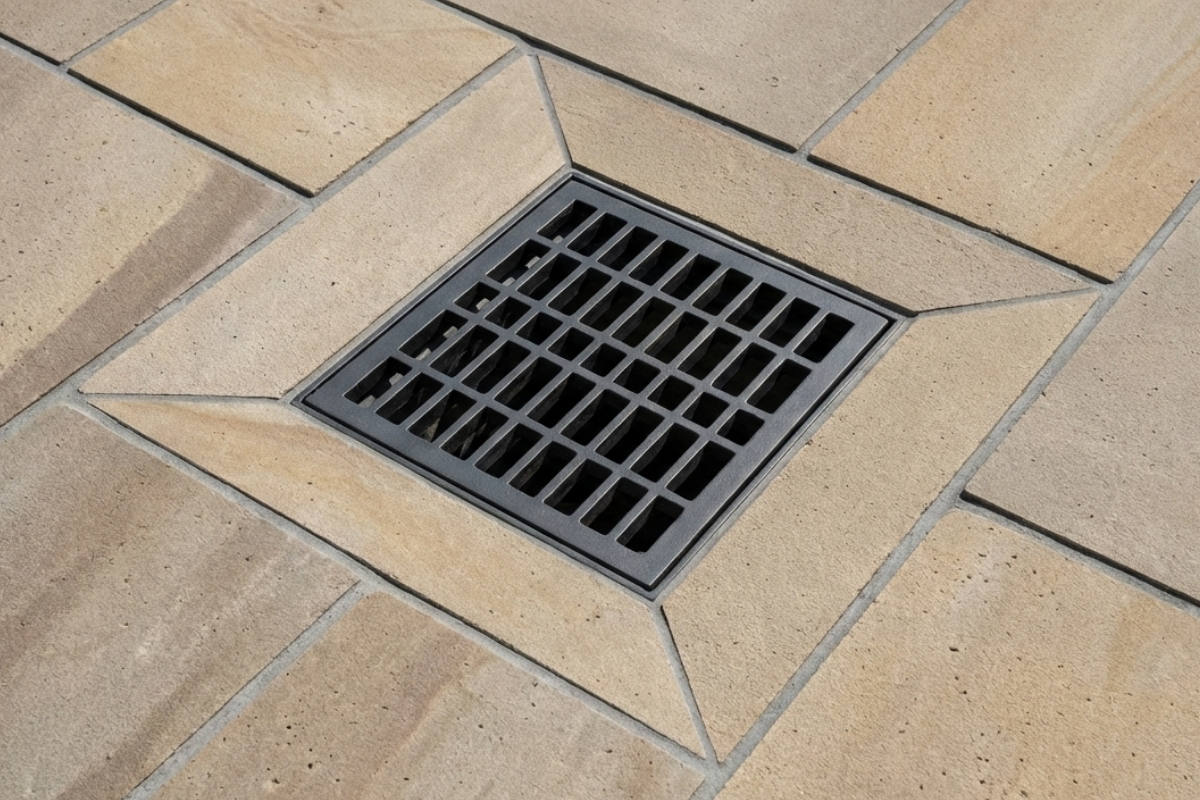
Drainage systems
Every patio we build drains properly. We set slope, install edge drains, and connect to subsurface lines so water never pools on your new outdoor living surface.
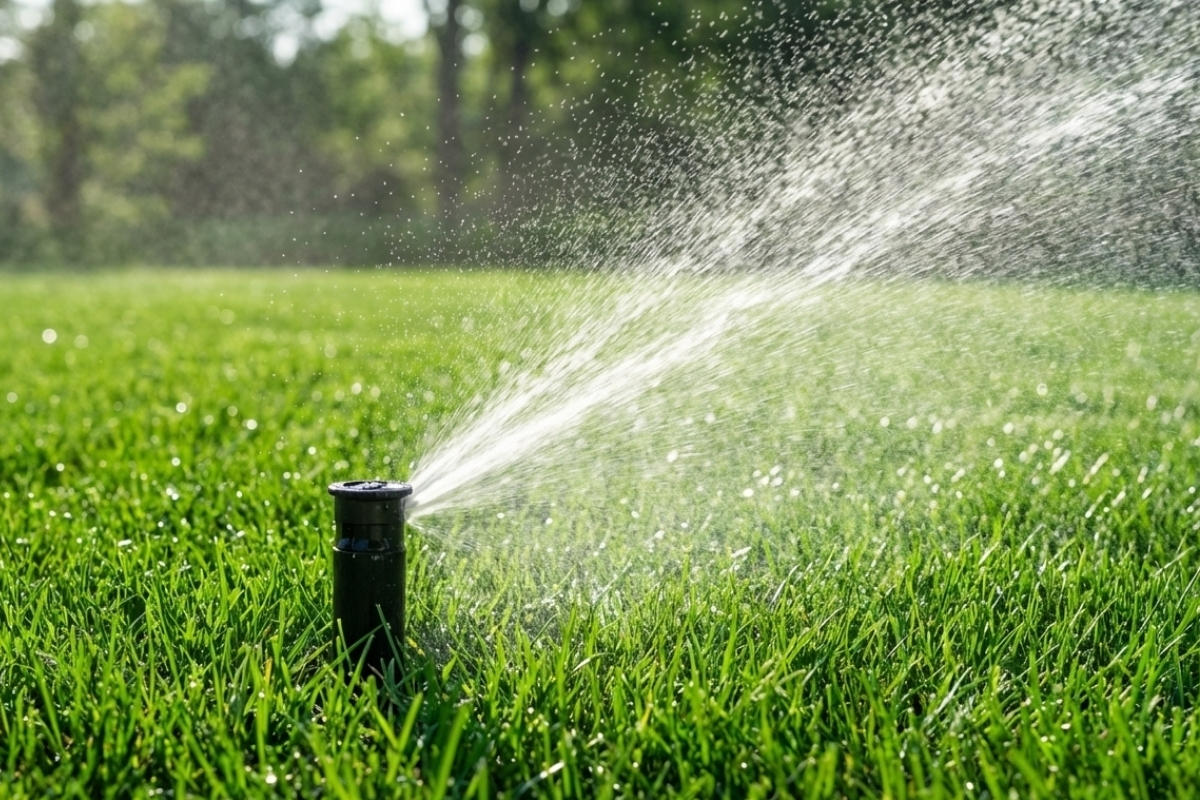
Irrigation and Sod
We reroute irrigation zones around your new patio footprint and resod disturbed areas so the transition from patio to lawn looks intentional and stays green.
Areas We Serve
Bee Green Outdoor Living designs and installs custom patios across Northeast Ohio:
Returning to overview…
Click any city to explore
This map highlights many of the communities where we regularly work. If you don’t see your area listed, give us a call — we’d love to discuss your project.
Frequently Asked Questions
How much does a patio cost in Northeast Ohio?
A concrete paver patio installed with a quality foundation will run between $25.00–$45.00 per square foot. Natural stone pavers start at $35.00, going up to $65.00 or more per square foot, and porcelain pavers start at $40.00 and can reach $70.00 per square foot.
A 400 square foot patio would then be in the range of $10,000 to $18,000. Add in any steps, retaining walls, or a fire pit and things can grow fast. We will provide a very detailed estimate with line items after your consultation.
How long does a paver patio last?
Pavers themselves have manufacturer warranties of 25 years or a lifetime. With proper installation and an adequate base, a paver patio will withstand the elements and last for at least 25 to 30 years with only minimal maintenance such as joint resealing and cleaning.
The base and drainage infrastructure should last longer than the surface material when properly installed.
Pavers vs. stamped concrete — which is better?
Ultimately it is up to you whether you choose pavers or a new stamped concrete patio. Pavers are a more expensive upfront cost, but they have a number of very beneficial features. The pavers are individual and can be replaced if they become damaged. They will never develop freeze/thaw issues like concrete does due to the flexible nature of the joints between them.
This also makes it much easier to do any future utility work. If a pipe needs to be repaired all you have to do is pull up the pavers that are covering it, fix the pipe, and then replace the pavers.
Stamped concrete is less expensive for large areas of coverage, but over time it will always develop cracks. You will not be able to repair just one spot and have the concrete look uniform. You will also need to reseal the surface of the concrete every 2–3 years to keep it looking its best.
At Bee Green Outdoor Living we still recommend pavers for most residential patio projects in Northeast Ohio.
Can you install a patio over my existing concrete?
Not always. If the existing concrete is structurally sound, level and in the correct height relative to the home (proper clearance under the siding and threshold), pavers can be installed over the top of the slab using a thin-set pedestal system or leveling bedding material.
However, if the existing concrete has significant structural cracks, has settled, or is improperly sloped and pitched, it will have to be removed. We evaluate each situation on a case-by-case basis.
When should I plan my patio project?
Design consultations are available at any time throughout the year. Our construction season in Northeast Ohio is April through November.
If you wish to start in the spring, it is recommended that design work begin in January or February as our construction schedule fills up quickly. If planning for the fall, we recommend design discussions begin in July or August.