Best Plants for Ohio Landscapes: A Contractor's Guide
Plant selection makes or breaks a landscape in Northeast Ohio. The nursery tag says "Zone 6" and the catalog photo looks great — but that doesn't mean the plant will actually perform here. Our clay soil, variable moisture, humid summers, and cold winters create conditions that plenty of "Zone 6 hardy" plants can't handle long-term.
After years of installing landscapes across Greater Cleveland, Medina, and Lorain County, we've learned which plants thrive and which ones end up getting ripped out in three years. This guide covers what we actually install — and what we avoid.
Understanding Northeast Ohio Growing Conditions
Before picking plants, you need to understand what you're working with:
- USDA Zone 6a — Winter lows regularly hit 0°F to -10°F. Some years colder.
- Clay-dominant soil — Heavy, slow-draining, alkaline-leaning (pH 6.8–7.5 in most areas). Roots struggle in waterlogged clay.
- 39 inches of annual rainfall — Not evenly distributed. Spring is wet, mid-summer can be dry, fall is variable.
- Humidity — July and August bring sustained humidity that promotes fungal diseases (powdery mildew, leaf spot, black spot on roses).
- Road salt — Properties along major roads get salt spray from November through March. Salt burns foliage and damages roots.
Any plant you put in the ground needs to handle all of this, not just the cold.
Shade Trees
Shade trees are the backbone of a landscape. They take 10–20 years to reach maturity, so pick the right one the first time.
Red Maple (Acer rubrum) — The workhorse shade tree for NEO. Tolerates clay and variable moisture. Brilliant red fall color. Fast growing (2–3 feet per year once established). 'October Glory' and 'Red Sunset' are reliable cultivars. Mature size: 40–60 feet.
Bur Oak (Quercus macrocarpa) — Native, incredibly tough. Handles clay, drought, and poor soil better than any other large tree we install. Slow growing but nearly indestructible once established. Mature size: 60–80 feet. Good for large properties.
Honeylocust (Gleditsia triacanthos var. inermis) — Light, filtered shade that allows grass to grow underneath. Salt tolerant — a strong choice for properties along busy roads. Thornless varieties only ('Shademaster', 'Skyline'). Mature size: 30–50 feet.
London Plane (Platanus × acerifolia) — Handles urban stress, compacted soil, and pollution. Peeling bark adds winter interest. Mature size: 70–100 feet — only for properties with the space.
Sugar Maple (Acer saccharum) — Classic fall color (orange, red, yellow). Less tolerant of compacted clay than red maple — performs better in amended or naturally well-drained soils. Mature size: 50–75 feet.
Ornamental Trees
Smaller trees for accent, color, and scale near patios, entries, and garden beds.
Serviceberry (Amelanchier) — Native, multi-season interest: white spring flowers, edible berries in June, excellent orange-red fall color, attractive bark in winter. Single-stem or multi-stem forms. Mature size: 15–25 feet. One of our most-installed ornamental trees.
Eastern Redbud (Cercis canadensis) — Purple-pink flowers in early spring before leaves emerge. Native, reasonably clay-tolerant. Mature size: 20–30 feet. 'Forest Pansy' has purple foliage but is slightly less hardy — use standard species for reliability.
Japanese Maple (Acer palmatum) — Requires a protected site in NEO — east- or north-facing exposure, sheltered from winter wind. Not for exposed locations. 'Bloodgood' and 'Crimson Queen' are the most reliable cultivars here. Mature size: 15–25 feet depending on variety.
Flowering Dogwood (Cornus florida) — Native. White or pink spring flowers, red berries, excellent fall color. Needs well-drained soil — struggles in pure clay without amendment. Understory tree — shade tolerant. Mature size: 15–25 feet.
Crabapple (Malus) — Spring flowers, persistent fruit for bird interest. Disease-resistant varieties only — 'Prairifire', 'Sugar Tyme', 'Royal Raindrops'. Avoid older cultivars prone to apple scab and fire blight. Mature size: 15–20 feet.
Evergreen Shrubs
Evergreens provide structure year-round. They hold the landscape together when everything else is dormant.
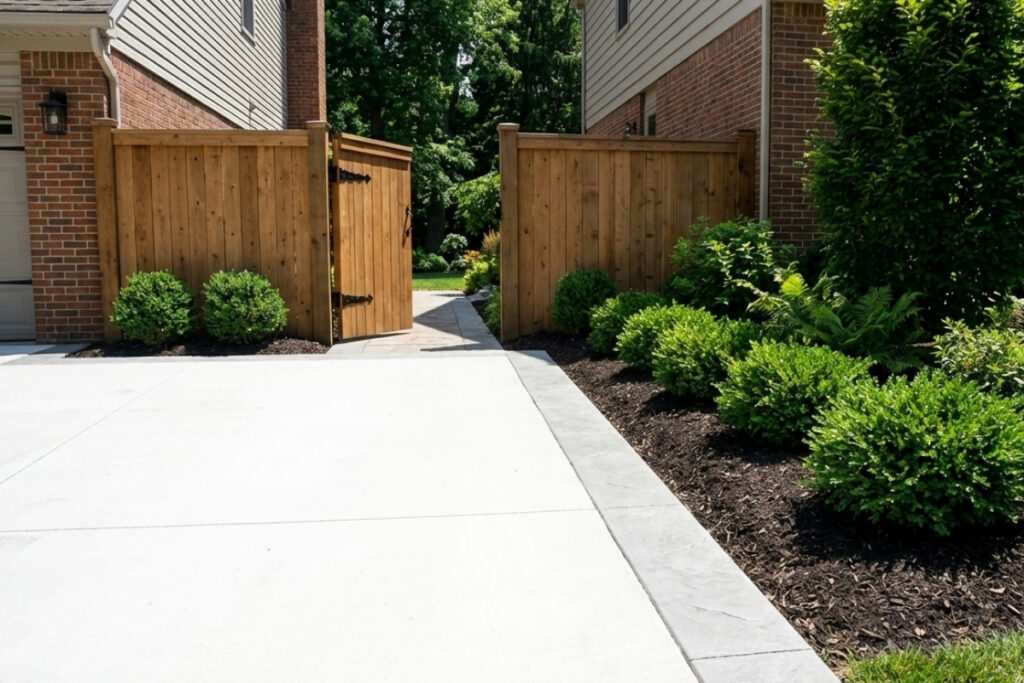
Boxwood — The standard for formal foundation plantings and hedges. 'Green Velvet' and 'Winter Gem' are the most reliable in NEO — they hold their green color through winter better than English boxwood. Slow growing, compact. Size: 3–4 feet.
Inkberry Holly (Ilex glabra) — Native evergreen alternative to boxwood. Tolerates wet clay better than most evergreens. 'Shamrock' and 'Gem Box' are compact cultivars. Size: 3–5 feet.
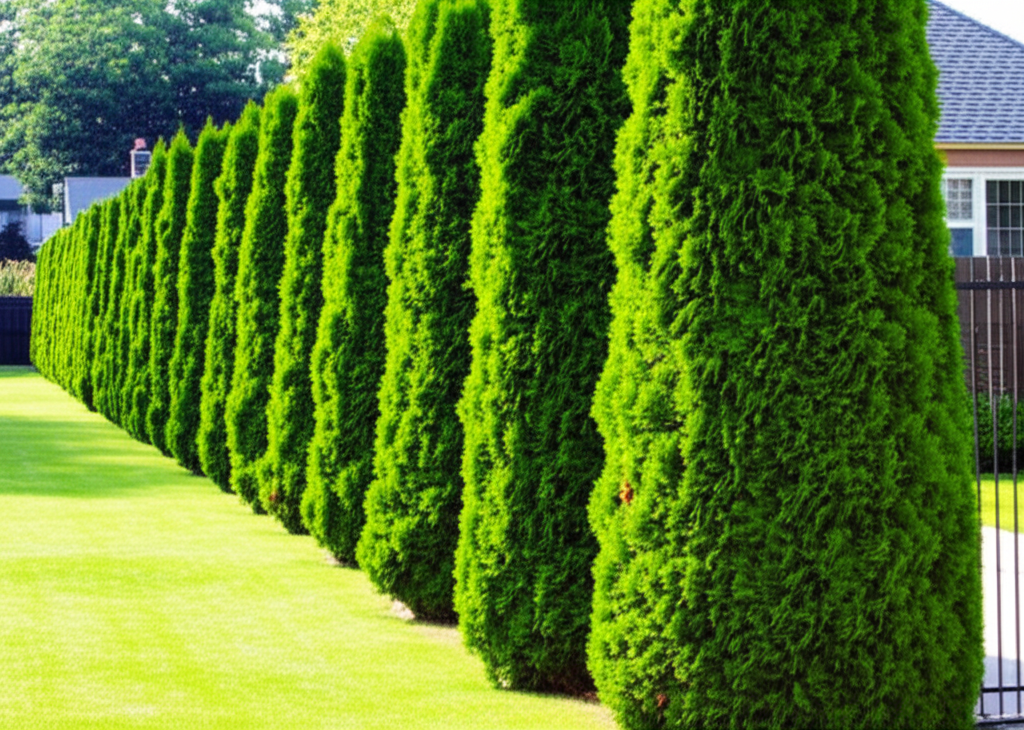
Arborvitae (Thuja) — 'Emerald Green' for tight hedges (10–15 feet tall, 3–4 feet wide). 'Green Giant' for fast-growing screens (40–60 feet tall). Deer browse arborvitae heavily in some areas — if deer pressure is high, consider alternatives.
Yew (Taxus) — Extremely shade-tolerant. 'Dense' and 'Hicksii' are the standard cultivars for foundation plantings and hedges. Yews do not tolerate wet feet — they'll die in waterlogged clay. Drainage must be adequate. Size varies by cultivar: 3–20 feet.
Blue Princess Holly (Ilex × meserveae) — Broadleaf evergreen with red berries (needs a male pollinator nearby — 'Blue Prince'). Glossy blue-green foliage. Size: 10–15 feet. More ornamental than inkberry, but less clay-tolerant.
Deciduous Shrubs
Flowering and foliage shrubs for seasonal color, screening, and garden interest.
Hydrangea — The most popular flowering shrub in NEO landscapes. 'Limelight' (panicle type) is virtually foolproof — blooms on new wood, tolerates sun or part shade, handles clay. 'Incrediball' and 'Annabelle' (smooth hydrangea) are also reliable. Bigleaf hydrangeas (macrophylla) are trickier here — flower buds can freeze in cold winters.
Viburnum — Underused and underappreciated. Korean Spice viburnum has intensely fragrant spring flowers. Doublefile viburnum has horizontal branching with white flowers. Native arrowwood viburnum is tough and adaptable. Most viburnums handle clay well. Various sizes: 5–12 feet.
Ninebark (Physocarpus opulifolius) — Native. 'Diablo' and 'Summer Wine' have deep purple foliage. Extremely tough — clay, drought, poor soil, sun or part shade. Peeling bark adds winter texture. Size: 5–8 feet.
Red Twig Dogwood (Cornus sericea) — Native. Bright red stems in winter provide color when nothing else does. Tolerates wet clay better than almost any shrub. 'Arctic Fire' is a compact variety (3–4 feet). Prune one-third of oldest stems each spring to maintain bright color.
Witch Hazel (Hamamelis) — Blooms in late winter (February–March) when nothing else is flowering. Yellow or orange fragrant blooms. Native species (H. virginiana) blooms in fall. Size: 10–15 feet. Interesting multi-season plant for specimen use.
Perennials
Perennials fill out garden beds and provide color from spring through fall.
Daylily (Hemerocallis) — Nearly indestructible in NEO. Full sun. Thousands of cultivars in every color except blue. 'Stella de Oro' is the standard reblooming yellow. Size: 1–3 feet.
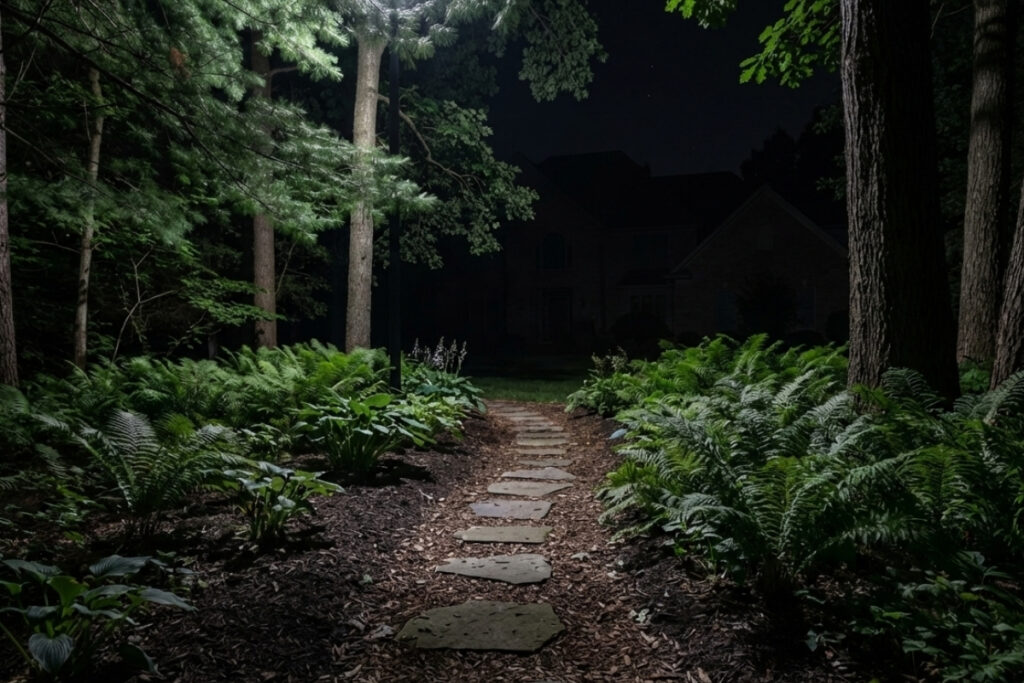
Hosta — Shade garden essential. Hundreds of varieties from 6-inch miniatures to 4-foot specimens. Slug damage is the main issue — larger, thicker-leaved varieties ('Sum and Substance', 'Elegans') resist slugs better.
Coneflower (Echinacea purpurea) — Native prairie plant. Full sun, tolerates drought and clay once established. Purple daisy-like flowers June through September. Attracts pollinators. Size: 2–4 feet.
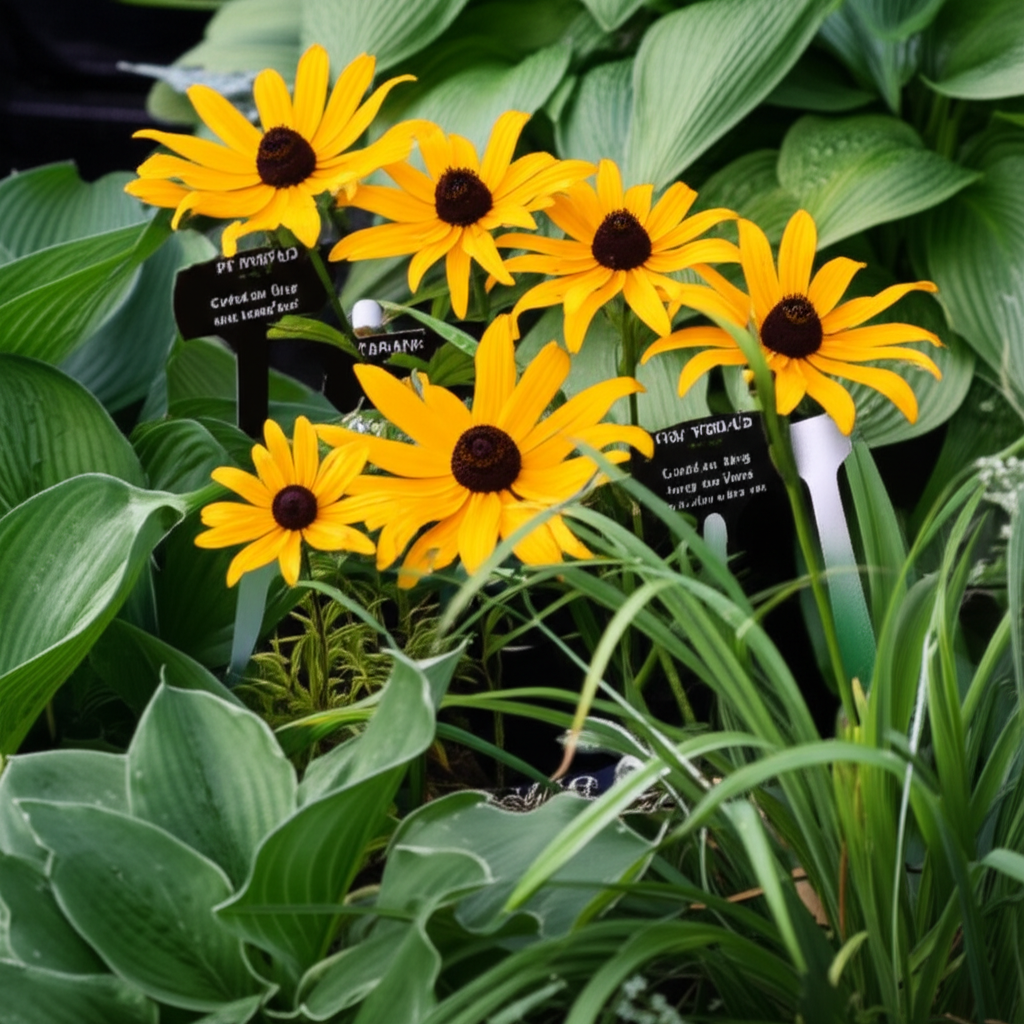
Black-eyed Susan (Rudbeckia) — Native. Yellow daisy flowers July through October. Tough, self-seeding, drought-tolerant. 'Goldsturm' is the most common cultivar. Size: 2–3 feet. Excellent for naturalized plantings.
Karl Foerster Feather Reed Grass (Calamagrostis) — Upright ornamental grass, 4–5 feet tall. Tolerates clay and part shade better than most grasses. Wheat-colored seed heads persist through winter. Our most-installed ornamental grass.
Catmint (Nepeta) — Blue-purple flowers May through September with deadheading. Drought-tolerant, deer-resistant, pollinator-friendly. 'Walker's Low' is the standard. Size: 2–3 feet. Excellent along walkways and patio edges.
Sedum (Stonecrop) — 'Autumn Joy' is the classic: succulent foliage, pink-bronze flowers in fall, dried seed heads provide winter interest. Full sun, excellent drainage. Size: 18–24 inches.
Groundcovers
For bed coverage, erosion control, and suppressing weeds under trees and shrubs.
Pachysandra — Standard shade groundcover. Dense, evergreen, spreads by runners. Not native but reliable. Best in shade to part shade — burns in full sun.
Creeping Phlox (Phlox subulata) — Spring-blooming mat of pink, white, or purple flowers. Full sun, well-drained soil. Excellent cascading over walls and bed edges. Native.
Sweet Woodruff (Galium odoratum) — Shade groundcover with delicate white flowers in spring. Fragrant foliage. Spreads moderately. Size: 6–8 inches.
Sedum (low-growing types) — 'Dragon's Blood', 'Angelina', 'Blue Spruce'. Full sun, excellent drainage. Succulent foliage in various colors. Good for rock gardens, wall caps, and dry slopes.

Plants to Avoid in Northeast Ohio
Some plants are popular at nurseries but cause problems here. We don't install these:
Bradford/Callery Pear (Pyrus calleryana) — Structurally weak (splits in storms), short-lived, and now classified as invasive in Ohio. The state has moved toward restricting sales. We removed more Bradford pears last year than we planted trees of any single species.
Burning Bush (Euonymus alatus) — Invasive. Seeds spread into natural areas and woodlands. Good fall color, but native alternatives (chokeberry, fothergilla, Virginia sweetspire) provide the same effect without the ecological damage.
Japanese Barberry (Berberis thunbergii) — Invasive and linked to increased tick habitat. Thorny, deer-browse-resistant — but that's because nothing in the ecosystem wants it. Use native alternatives.
Norway Maple (Acer platanoides) — Invasive. Dense canopy blocks light and prevents understory growth. Shallow roots compete with everything nearby. Plant native maples instead.
Ash Trees (Fraxinus) — Emerald ash borer has killed hundreds of millions of ash trees across the Midwest. Installing ash in 2025 is pointless — the tree will be infested within years.
Working with Clay Soil
Most plant failure in NEO comes from poor soil conditions, not cold temperatures. Two strategies:
Choose clay-tolerant plants — Red maple, bur oak, ninebark, red twig dogwood, inkberry holly, and daylilies all tolerate heavy clay without amendment. Build your plant palette around these and you'll have fewer losses.
Amend planting beds — For plants that need better drainage (Japanese maple, yew, dogwood), incorporate 3–4 inches of compost into the top 12 inches of soil before planting. This improves drainage and root penetration without creating a "bathtub" effect that container-style planting holes cause in clay.
Frequently Asked Questions
When should I plant in Northeast Ohio?
Fall (September–October) is the best window for trees and shrubs. Warm soil promotes root establishment while cool air reduces canopy stress. Spring (April–May) is second-best and preferred for perennials and grasses. Summer planting works with dedicated irrigation but carries higher risk.
How do I know which plants will work on my specific property?
Sun exposure, soil drainage, moisture levels, wind exposure, and deer pressure all vary property to property. A designed planting plan based on site analysis is always more reliable than buying plants at a nursery and hoping they work. We conduct site evaluations as part of every landscape design project.
Do native plants require less maintenance?
Generally yes, once established. Native plants evolved in these conditions — they don't need soil amendment, supplemental irrigation (after the first season), or protection from local pests and diseases. They also support local pollinators and wildlife. We incorporate natives into most of our designs, though we use non-invasive ornamental plants where specific design goals require them.
Bee Green Outdoor Living designs and installs landscapes across Northeast Ohio using plants proven to perform in our climate. Contact us for a landscape design consultation or learn more about our landscaping services.