What Is Hardscaping? A Complete Guide
Concrete, brick, or stone shapes much of what you see outside. Think patio stones, a driveway, or a path through the property — these count. Retaining walls fit here too, along with step sets and paved areas. What holds up over time? That comes from materials built to last.
That word marks a split between fixed parts of a setting and growing things like green patches or trees. Outdoor areas often blend both types without separating them completely. Underneath it all, hard materials shape the base layout along with walkways and ground cover. A sense of life comes through the plants — their shapes, hues, movement.
A single point separates them: when it expands, call it softscape. Built forms fall under hardscape.
Hardscaping vs. Landscaping: What's the Difference?
People use "landscaping" to mean everything that happens in the yard. Technically, landscaping covers the living elements. But in practice, a complete outdoor project includes both hardscape and landscape components working together.
Hardscaping includes:
- Patios (paver, stone, concrete, porcelain)
- Walkways and paths
- Retaining walls
- Driveways
- Steps and staircases
- Seat walls and pillars
- Outdoor kitchen structures
- Fire pit and fireplace construction
- Edging and borders
Landscaping (softscaping) includes:
- Trees and shrubs
- Flower beds and perennial gardens
- Lawn installation and maintenance
- Mulch beds
- Ground cover plantings
- Garden design
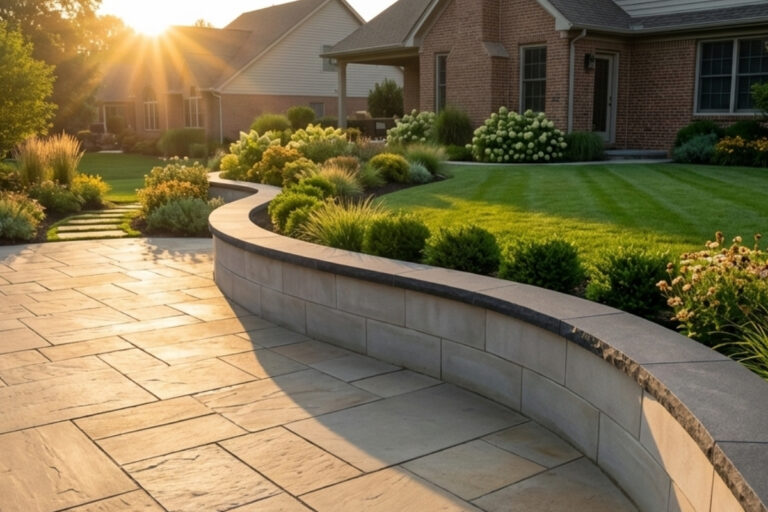
Both work together. A paver patio (hardscape) bordered by a planting bed with ornamental grasses and perennials (softscape) creates an outdoor space that neither element achieves alone. The hardscaping provides structure. The landscaping provides life.
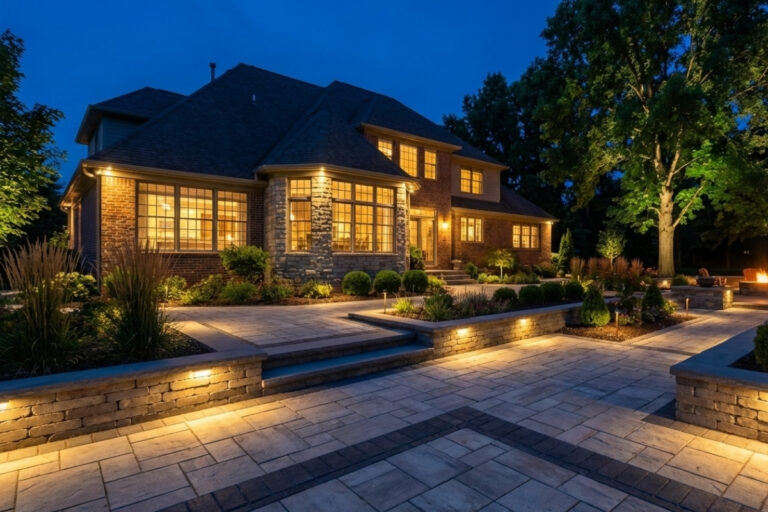
In our projects across Northeast Ohio, we typically install the hardscaping first — it's the foundation that everything else is built around. Once the patios, walls, walkways, and drainage are in place, the landscape planting fills in around it.
Types of Hardscaping Projects
Patios
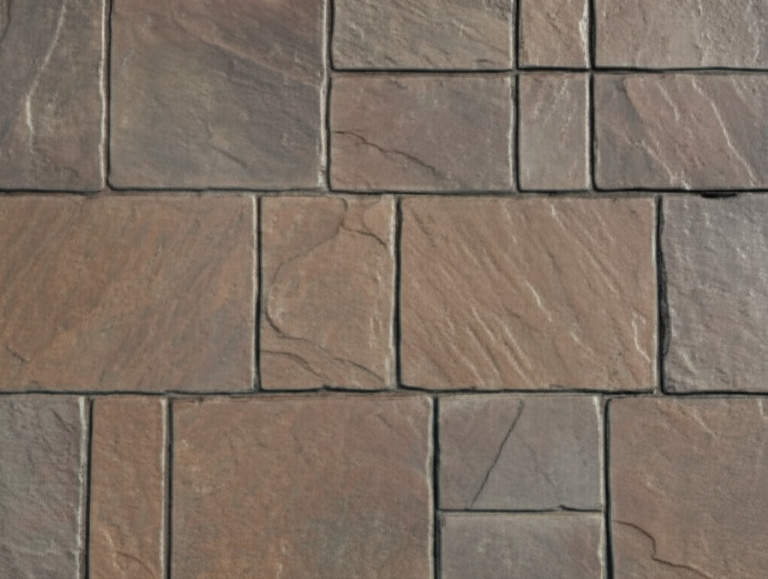
The most common residential hardscaping project. A patio creates a level, stable outdoor surface for dining, lounging, cooking, and gathering. Materials range from concrete pavers ($25–$50/sqft) to natural stone ($35–$70/sqft) to stamped concrete ($15–$30/sqft). See our patio installation page for the full rundown.
Most of the patios we build across Greater Cleveland and Medina County are concrete pavers — they handle our freeze-thaw climate exceptionally well, offer hundreds of style options, and are individually replaceable if one ever gets damaged.
Retaining Walls
Retaining walls hold soil in place. If your yard slopes (and most properties in Brecksville, Broadview Heights, Bath, Hinckley, and Medina do), a retaining wall creates the level surface needed for a patio, a lawn area, or a garden bed. They also prevent erosion, redirect drainage, and create visual terracing that adds depth to the landscape.
Materials: segmental concrete block (most popular), natural stone, boulder, or poured concrete. Walls over 4 feet typically require engineering and a building permit in Northeast Ohio.
Walkways and Paths
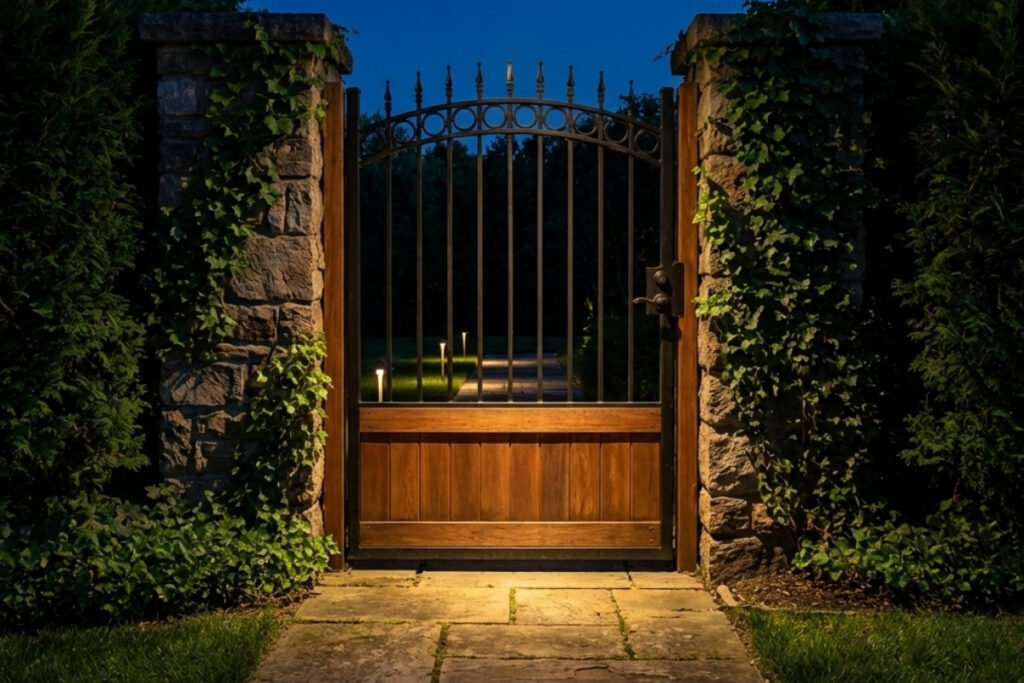
Walkways connect the different areas of your property — front door to driveway, house to patio, patio to garden, garage to backyard. They provide clean, stable footing, keep foot traffic off the lawn, and create deliberate circulation routes through the landscape.
A well-designed walkway is wide enough for two people (4–5 feet), properly graded for drainage, and built on a compacted base that stays flat through freeze-thaw cycles. Materials match or complement the patio — continuity in material creates a cohesive design.
Driveways
A paver or concrete driveway is hardscaping. It's the largest hardscape surface on most properties and the first thing visitors see. Paver driveways cost more than poured concrete or asphalt but don't crack, don't develop potholes, and hold their appearance for decades.
Steps and Staircases
Outdoor steps connect different elevations — the house to the patio, the upper patio to the lower patio, the yard to the street. Properly built outdoor steps have consistent rise and run, adequate depth for safety, and integrated lighting for visibility after dark. Materials include pavers, natural stone, concrete, and brick.
Fire Features
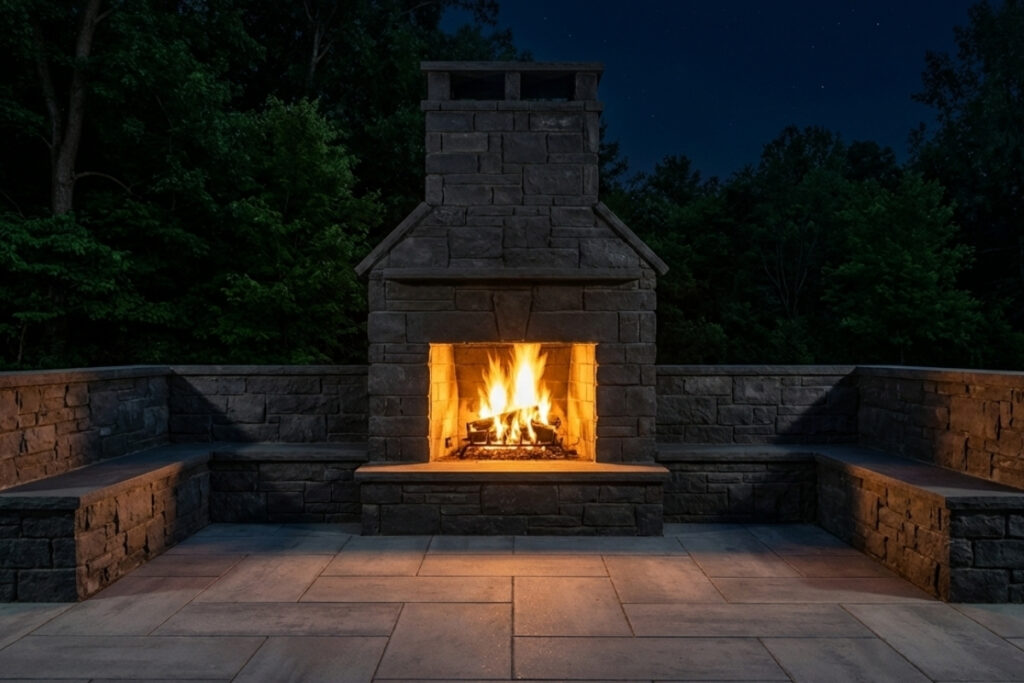
Fire pits, fireplaces, and fire tables are hardscaping — they're masonry structures built from stone, block, concrete, or brick. A built-in fire pit is part of the hardscape plan and integrates with the surrounding patio surface, seat walls, and drainage. We cover the gas vs. wood decision in our fire pit comparison guide.
Outdoor Kitchen Structures
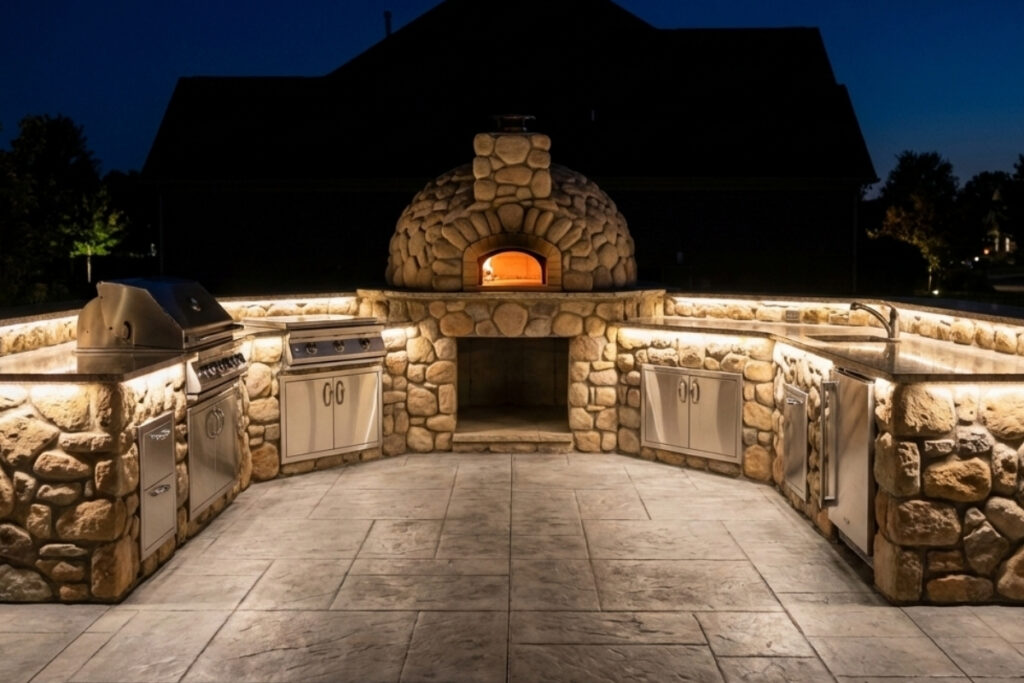
The masonry base of an outdoor kitchen — the island, the countertop supports, the veneer — is hardscaping. It's built from concrete block, finished with stone or stucco veneer, and capped with granite, porcelain, or bluestone countertops. The appliances go in after the structure is built.
Drainage Structures
Catch basins, channel drains, French drains, and dry creek beds are hardscaping elements that manage water. In Northeast Ohio, with 39 inches of annual rainfall and clay soil that doesn't drain well, proper hardscape drainage is essential. Every patio, wall, and graded surface redirects water — where it goes after that requires planning.
Why Hardscaping Matters
It Creates Usable Space
A sloped, muddy backyard isn't outdoor living space. A level paver patio with seating, a fire pit, and good lighting is. Hardscaping converts raw yard into functional square footage you'll actually use. Think of it as building a room — except this one has no roof and the ceiling is the sky.
It Lasts
Properly installed hardscaping outlasts every other element of your outdoor space. Pavers last 25–50+ years. Natural stone is essentially permanent. Retaining walls, when built with proper drainage and engineering, last 50+ years. Compare that to a lawn (constant maintenance), a garden (seasonal replanting), or even the house's siding (15–30 year lifespan on most materials).
The ICPI (Interlocking Concrete Pavement Institute) sets installation standards that, when followed, ensure hardscaping performs for its full expected lifespan in any climate — including ours.
It Adds Property Value
The National Association of Realtors consistently reports that outdoor living improvements rank among the highest in homeowner satisfaction and buyer appeal. A well-built patio with outdoor entertaining features doesn't just improve your daily life — it improves your property's market position.
It Handles Ohio's Climate
This is the practical reason hardscaping matters in Northeast Ohio specifically. Our clay soil, freeze-thaw cycles, and heavy rainfall create conditions that destroy poorly built outdoor surfaces within a few years. Quality hardscaping — with proper base construction, drainage, and materials rated for our climate — is engineered to handle exactly these conditions.
Manufacturers like Unilock, Belgard, and Techo-Bloc produce pavers and wall systems specifically tested for freeze-thaw environments. The materials aren't the weak link. The installation is — which is why who builds your hardscaping matters as much as what they build it from.
How Much Does Hardscaping Cost?
Quick ranges for common projects in Northeast Ohio:
| Project | Typical Cost Range |
|---|---|
| Paver patio (400–600 sqft) | $12,000–$28,000 |
| Stamped concrete patio (400–600 sqft) | $7,000–$18,000 |
| Retaining wall (30 ft, 3 ft tall) | $3,500–$6,000 |
| Paver walkway (40 ft) | $3,000–$7,000 |
| Fire pit (built-in, custom) | $3,500–$15,000 |
| Outdoor kitchen base | $8,000–$15,000 |
| Complete outdoor living build | $40,000–$100,000+ |
For detailed pricing by material and project type, see our hardscaping cost guide.
Frequently Asked Questions
What's the difference between hardscaping and landscaping?
Hardscaping is the built, structural elements (patios, walls, walkways, driveways). Landscaping typically refers to the living elements (plants, trees, lawn, gardens). A complete outdoor project usually includes both, with hardscaping installed first as the foundation.
Do I need hardscaping if I just want a simple backyard?
Not necessarily. If you're happy with a lawn, a garden, and a portable fire pit on the grass, you don't need hardscaping. But if you want a level surface for dining furniture, a defined gathering area, or outdoor living features like a kitchen or permanent fire pit — that's hardscaping. Most homeowners who invest in their outdoor space find that some hardscaping is the starting point.
What hardscaping materials work best in Ohio?
Concrete pavers are our most-recommended material for patios and walkways — they handle freeze-thaw cycling without cracking and are individually replaceable. Natural stone (especially bluestone and granite) is excellent for premium projects. Segmental concrete block is the standard for retaining walls. See our full patio materials comparison for details.
Can I do hardscaping myself?
Small projects — a short garden path, a simple fire pit ring — are within the reach of a capable DIYer. Anything involving significant excavation, base construction, retaining walls over 2 feet, or drainage engineering is best left to professionals. The base construction is where most DIY hardscaping fails, and fixing a bad base means tearing everything out and starting over. The NCMA (National Concrete Masonry Association) publishes guides if you want to learn more about proper wall construction.
How long does hardscape installation take?
A 400 sqft paver patio takes about 5–7 working days. A retaining wall (30 ft, 3 ft tall) takes 3–5 days. A complete outdoor living project with patio, walls, fire feature, and walkways takes 3–6 weeks. Weather can extend timelines — we don't compact bases or apply polymeric sand in standing water.
What should I do first — hardscaping or landscaping?
Hardscaping first. Always. The patio, walls, walkways, and drainage need to be in place before planting happens. Hardscape construction involves excavation, heavy equipment, and material staging that would damage existing landscaping. Plant after the hardscape is complete and the site is cleaned up.
Thinking about hardscaping for your property? Request your design consultation — we'll walk your site, discuss your goals, and show you what's possible. For project inspiration, check our creative hardscaping ideas or browse patio ideas.
Bee Green Outdoor Living designs and installs custom hardscaping across Greater Cleveland, Medina County, and Lorain County.