Not every patio material that works in Arizona or Georgia is going to hold up in Ohio. Our climate puts outdoor surfaces through a specific kind of stress test: frost depths reaching 36 inches, temperature swings from -10°F to 95°F within a few months, heavy clay soil that retains moisture, and significant freeze-thaw cycling from November through March.
The best patio materials for Ohio aren’t just the ones that look good on installation day. They’re the ones that still look good — and still perform — after 10 or 20 winters. That’s a different conversation.
I’ve been building patios across Northeast Ohio for over 20 years. Here’s what I’ve learned about which materials actually hold up, which ones are worth the investment, and which ones require more maintenance than most homeowners expect.
The Five Patio Materials That Work in Ohio
01
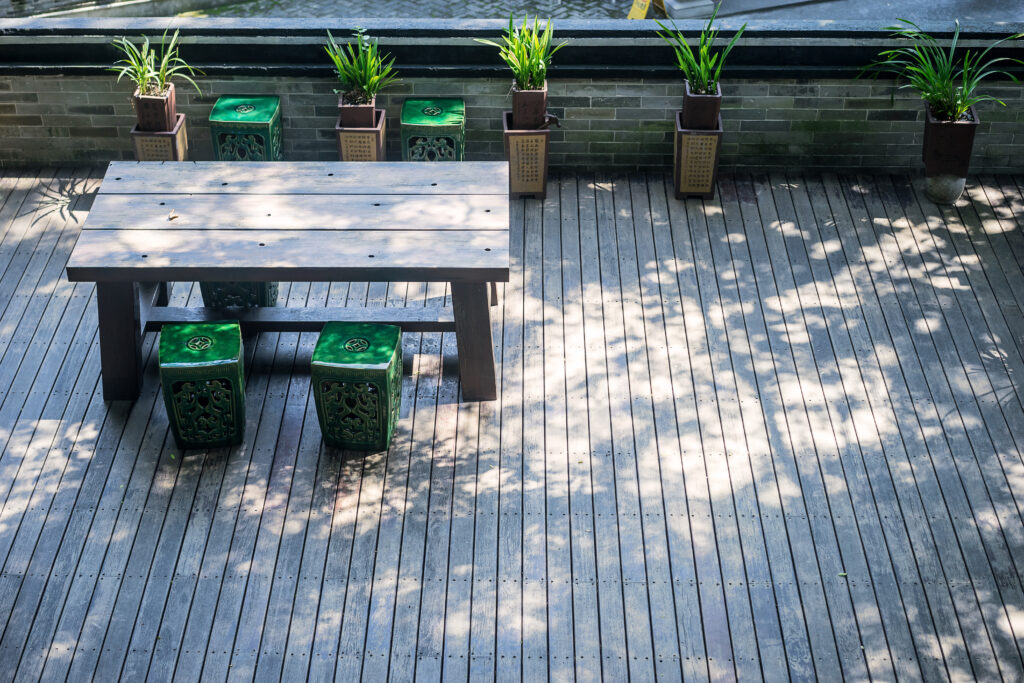
Concrete Pavers — Best Overall Choice
Cost
$25–$50/sqft installed
Lifespan
25–50+ years
Maintenance
Low
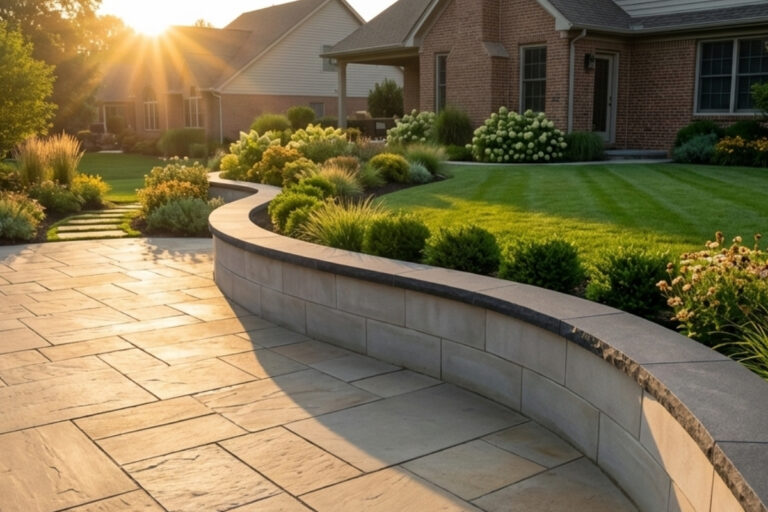
Concrete pavers are individual manufactured units set on a compacted aggregate base with sand-filled joints. Each paver is produced at 8,000+ PSI — roughly double the strength of poured concrete. Major manufacturers like Unilock Belgard and Techo-Block engineer their products specifically for freeze-thaw climates.
Why they work in Ohio
-
The flexible joint system absorbs ground movement from frost heave instead of cracking
-
Individual units are replaceable — if one cracks or stains, pop it out and drop in a new one
-
Color is integral (through the entire unit), so it won’t wear off the surface
-
Hundreds of shapes, sizes, colors, and textures available
-
ICPI installation standards ensure proper base construction for our soil conditions
The tradeoff: Higher upfront cost than stamped concrete. Joints between pavers are visible (some homeowners prefer a seamless surface). Polymeric sand in the joints needs refreshing every 5–8 years.
Best for: Residential patios (our most-installed material), driveways, walkways, pool decks, and any project where long-term durability matters. If you’re only going to consider one material, this is it.
02
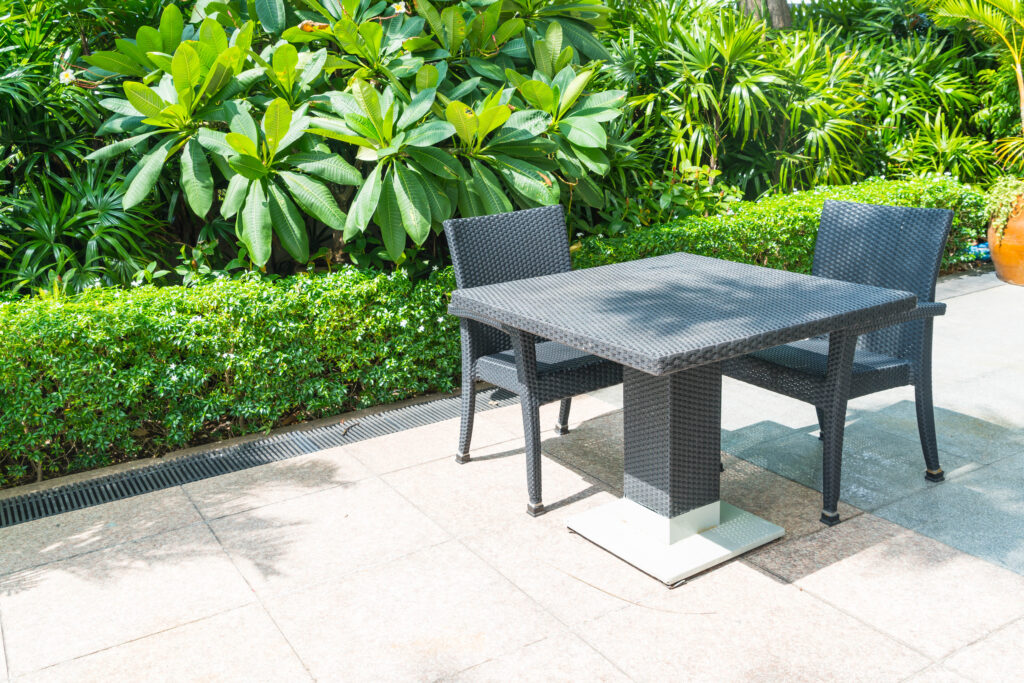
Natural Stone — Premium Performance and Beauty
Cost
$35–$70/sqft installed
Lifespan
50–100+ years
Maintenance
Low to moderate
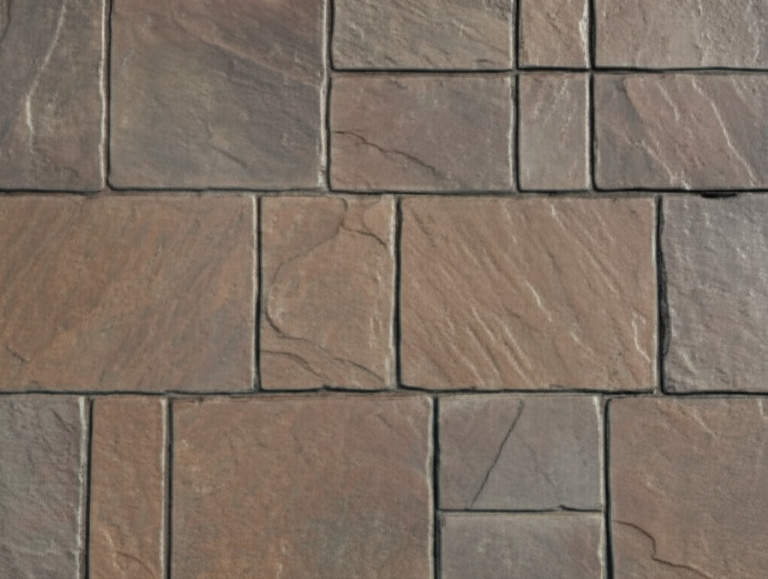
Natural stone — bluestone, limestone, granite, flagstone — is quarried, not manufactured. Every piece has unique color variation and texture. It’s the material that ages most gracefully. A bluestone patio looks better at 20 years than it did at installation.
Popular choices for Ohio:
Pennsylvania bluestone (thermal finish)
$40–$55/sqft Excellent freeze-thaw rating, develops a beautiful silver-gray patina over time. The Natural Stone Institute rates bluestone highly for northern climates. Our top recommendation for natural stone patios.
Indiana limestone
$38–$50/sqft. Warm tones, consistent texture. Slightly more porous than bluestone, so it requires sealing in high-traffic areas.
Granite (flamed finish)
$45–$65/sqft. Virtually indestructible. Low water absorption means exceptional freeze-thaw performance. The hardest and most durable natural stone option.
Irregular flagstone (dry-laid)
$35–$50/sqft. Natural shapes with planted or sand-filled joints. Garden-like aesthetic that suits cottage and craftsman homes in neighborhoods like Chagrin Falls, Gates Mills, and Hinckley.
The tradeoff: Significantly higher cost. Requires more skilled labor (cutting and fitting irregular stone takes time). Higher material waste factor (10–15% vs. 5–8% for manufactured pavers). Some stones are more porous and need sealing.
Best for: Homeowners who want a one-of-a-kind surface and plan to stay in the home long-term. Natural stone is a forever material in our climate when installed on a proper base.
03
Stamped Concrete — Best Value for Large Surfaces
Cost
$15–$30/sqft installed
Lifespan
15–25 years
Maintenance
Moderate to high
Stamped concrete is poured concrete textured and colored to resemble stone, brick, or slate. It’s the most affordable decorative patio surface per square foot, which makes it attractive for large projects where the budget matters.
Why it works (with caveats)
-
Lowest installed cost for a decorative surface
-
– Seamless, monolithic surface — no joints for furniture to catch on
-
– Dozens of stamp patterns and color combinations available
-
– Good for pool surrounds where a smooth, continuous surface is preferred
The Ohio-specific reality
-
– It will crack. Control joints direct where cracks form, but they don’t prevent cracking. In our freeze-thaw climate, cracks appear within 2–5 years.
-
– Resealing is mandatory — every 2–3 years, at $1.50–$2.50/sqft. Skip it and the surface degrades fast.
-
– Repairs are visible. You can’t patch stamped concrete invisibly.
-
– Shorter lifespan means you’ll likely replace the surface at least once over 30+ years of ownership.
The tradeoff: Lower upfront cost offset by higher lifetime maintenance and shorter lifespan. See our Stamped concrete vs pavers comparison for the full breakdown.
Best for: Budget-conscious projects, large flat surfaces, pool decks, and homeowners planning to sell within 5–10 years. It delivers real curb appeal at a lower price point. Our stamped concrete page covers patterns, colors, and construction details.
04
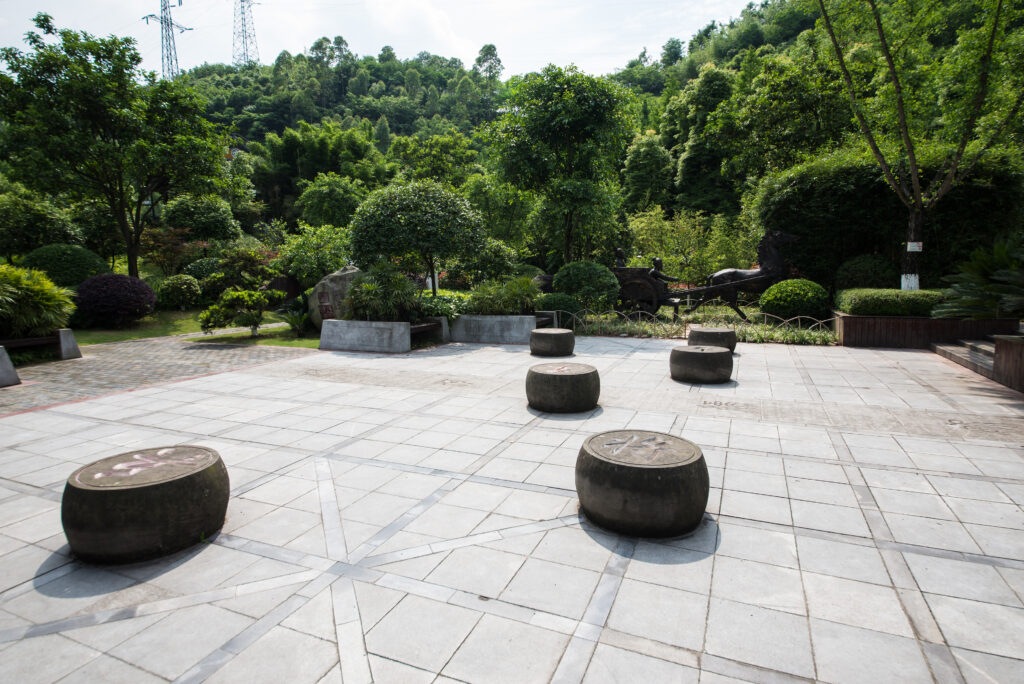
Porcelain Pavers — Best for Modern Design
Cost
$40–$70/sqft installed
Lifespan
30–50+ years
Maintenance
very Low
Porcelain pavers are kiln-fired at extreme temperatures (over 2,000°F), producing a surface with less than 0.5% water absorption. That near-zero absorption means freeze-thaw cycles have virtually no effect. It’s the newest material in residential patio construction and the fastest-growing category in our project mix.
Why they excel in Ohio
-
Freeze-thaw performance is unmatched — water can’t get in, so ice can’t do damage
-
Won’t stain from food, wine, oil, leaf tannin, or pool chemicals
-
Large-format sizes (up to 24×48″) create a modern, minimal-joint surface
-
Color and texture are completely uniform — if that’s your aesthetic preference
-
Available in finishes that replicate wood plank, concrete, marble, and other indoor materials
The tradeoff: Premium price. Installation demands a flatter base tolerance than standard pavers — any imperfection in the setting bed telegraphs through the thin piece. Our crews laser-level the bedding layer for porcelain work. More limited style range than traditional concrete pavers (though it’s expanding quickly).
Best for: Contemporary and mid-century modern homes, pool decks (cool underfoot, slip-resistant when wet), indoor-outdoor transitions where you want the patio to visually continue the interior flooring. Great for the homeowner in Rocky River or Westlake building a modern outdoor room.
05
Gravel and Decomposed Granite — Best for Budget and Informal Spaces
Cost
$8–$15/sqft installed
Lifespan
Indefinite (with periodic top-dressing)
Maintenance
Low to moderate
Not every outdoor surface needs to be hardscape. Compacted gravel or decomposed granite contained by steel or aluminum edging creates a stable, permeable surface at a fraction of the cost of pavers or stone. It’s not appropriate for dining patios with heavy furniture, but it works well for fire pit areas, garden paths, seating nooks, and secondary gathering spots.
In Ohio, the keys are
-
Heavy-duty edging to prevent migration
-
Compaction — loose gravel shifts and creates an uneven surface
-
Adequate depth (3–4″ minimum) on a compacted base
-
Choosing angular, self-binding aggregate rather than round river stone (round stone never stabilizes)
The tradeoff: Not suitable for primary patios with dining furniture. Shifts underfoot compared to hard surfaces. Needs periodic raking and top-dressing. Snow removal is more difficult (shovels catch the surface)
Best for: Secondary spaces, garden paths, fire pit surrounds, and rustic or cottage-style properties. A gravel fire pit area connected to a paver dining patio is a combination we build often — it keeps the overall project cost down while creating distinct zones.
Material Comparison: The Full Picture
| Material | Cost/sqft | Lifespan | Maintenance | Freeze-Thaw | Best For |
|---|---|---|---|---|---|
| Concrete Pavers | $12–$25 | 25–50+ years | Low | Excellent | Residential patios, driveways, walkways |
| Natural Stone | $30–$60 | 50–100+ years | Low–Moderate | Excellent | Premium builds, forever homes |
| Stamped Concrete | $15–$28 | 15–25 years | Moderate–High | Fair | Large flat surfaces, budget projects |
| Porcelain Pavers | $25–$45 | 20–30+ years | Very Low | Excellent | Modern outdoor rooms, rooftop decks |
| Gravel / DG | $5–$15 | 5–10 years | Moderate | N/A | Informal paths, rustic landscapes |
How to Choose: A Decision Framework
Start With Budget
If your patio budget is under $10,000 for 300+ square feet, stamped concrete or a standard paver in a simple layout is your range. If you’re working with $15,000–$30,000, mid-range pavers with design details become possible. Over $30,000 opens up natural stone, porcelain, and mixed-material designs.
Our Patio cost guide has detailed pricing by material and project size.
Then Consider Timeline
How long will you own this house? If you’re selling in 3–5 years, curb appeal per dollar matters most — stamped concrete delivers. If you’re staying 10+ years, lifetime durability becomes the priority — pavers or natural stone. If you’re building a forever home, natural stone or porcelain.
Factor in Design Complexity
Simple rectangular patio? Any material works. Multi-level with walls, steps, curves, and fire features? Pavers or natural stone handle complexity better than stamped concrete. Contemporary minimalist? Porcelain or large-format pavers.
Don’t Forget Maintenance Tolerance
Be honest with yourself. If resealing every 2–3 years sounds like a hassle you’ll skip, don’t choose stamped concrete — it needs that maintenance to survive in our climate. If you want truly set-it-and-forget-it, porcelain pavers are the lowest maintenance option. Concrete pavers and natural stone fall in the middle.
Materials We Don’t Recommend for Ohio Patios
A few materials that look tempting but don’t perform well here:
Travertine
Gorgeous in Florida. Too porous for our freeze-thaw climate. Water absorbs into the stone, freezes, and spalls the surface within a few winters.
Thin porcelain tile (under 20mm)
Regular indoor/outdoor tile isn’t thick enough to handle the base movement in our soil. Cracks and delaminates. Use 20mm porcelain pavers instead.
Poured concrete without stamping or finish
A basic broom-finish concrete slab is the most affordable option, but it adds minimal design value. If you’re going to pour concrete, invest in the stamped finish — the marginal cost adds significant visual return.
Engineered quartz (countertop material)
Some contractors install quartz as outdoor surfaces. The resin binders degrade with UV exposure and freeze-thaw. It’s an indoor product used outdoors. Don’t do it.
Frequently Asked Questions
What’s the most durable patio material for Ohio?
Granite and porcelain pavers are the most durable options — virtually impervious to freeze-thaw damage. Concrete pavers and bluestone are close behind and offer more design variety. All four will outlast stamped concrete in our climate.
What’s the lowest-maintenance patio material?
Porcelain pavers. Near-zero water absorption means no sealing, no staining, and no freeze-thaw damage. Concrete pavers are a close second — polymeric sand refresh every 5–8 years is the main requirement.
Can I mix materials on one patio?
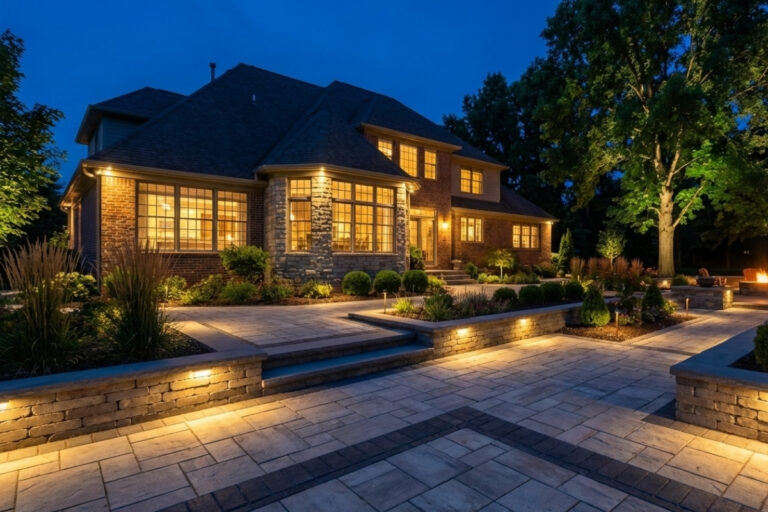
Absolutely — and we recommend it for many projects. A common approach: concrete pavers for the main surface with natural stone accents at borders, fire pit surrounds, or step treads. Material mixing adds design depth and lets you use premium materials where they have the most visual impact without applying them to the entire surface. See our creative hardscaping ideas for more on material mixing.
What patio material is best for a pool deck?
Porcelain pavers. They’re cool underfoot, slip-resistant when wet, and immune to pool chemical damage. Concrete pavers with a textured, light-colored finish are a good alternative at a lower price point. Avoid dark materials (absorb heat) and anything that requires sealing near pool water.
Is natural stone worth the extra cost?
If you plan to own the home for 15+ years and value aesthetics, yes. A bluestone or granite patio is a permanent feature that appreciates in character over time. The National Association of Realtors consistently reports high homeowner satisfaction with outdoor hardscape improvements.